bestcouponblogs may earn a commission when you buy through links on this page, at no extra cost to you. This does not affect our ratings.
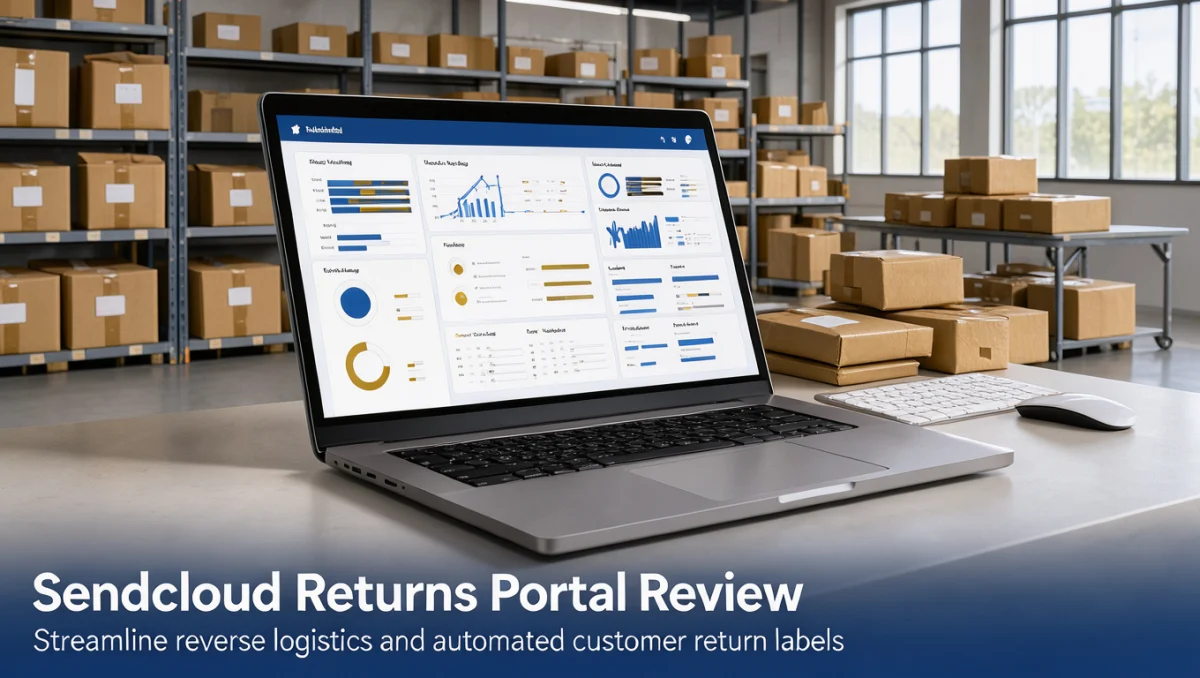
A well-run sendcloud returns portal gives online merchants a repeatable system for handling item intake, generating customer return labels, and tracking parcels back through reverse logistics. Handling merchandise returns by hand drains staff time and frustrates shoppers, so automated self-service has become a core part of ecommerce post-purchase operations. At Best Coupon Blogs, we judge logistics software on how it applies merchant policy rules, guides customer intake, and keeps parcel tracking visible.
Before choosing shipping software, check whether the customer-facing return flow matches your inventory handling process and carrier setup. Retailers should confirm how return rules handle exchanges, who pays return postage, and whether local drop-off options are available. This analysis looks at where the tool fits into everyday shipping work and which vendor pricing details deserve scrutiny before you commit.
Quick verdict: Rated 7.6/10 overall, the platform suits growing ecommerce retailers that want self-service return labels alongside carrier label automation. It is a weaker fit for businesses that need bespoke enterprise reverse logistics with complex custom warehouse quarantine rules.
| Evaluation Metric | Summary Details |
|---|---|
| bestcouponblogs score | 7.6/10 |
| Best for | Ecommerce stores seeking customer-initiated return labels and automated return tracking |
| Not ideal for | Organizations wanting custom on-premise logistics infrastructure or complex warehouse repair routing |
| Key strengths | Automated return label generation, customer self-service intake, policy rule configuration |
| What to check before buying | Carrier compatibility, fee deductions per return label, and plan level limitations on official pages |
1. How bestcouponblogs Reviewed Sendcloud
This review covers what Sendcloud is designed to do, who it serves, and how it compares with similar tools, using the seven bestcouponblogs criteria: features, ease of use, pricing and value, integrations, audience fit, support, and competitive position. Plans, prices, and limits change often, so we flag what to confirm on the official website before buying. This article was researched and drafted with AI assistance, then reviewed and edited by the Best Coupon Blogs Editorial Team.
2. What Is Sendcloud and Who Is It for
Sendcloud is a shipping and logistics management platform built to help ecommerce companies automate outbound parcel fulfillment and inbound return processes. In modern retail, handling exchanges and refund requests means keeping storefront records and carrier networks in sync. The sendcloud returns portal acts as a branded touchpoint where shoppers submit return reasons, choose drop-off locations, and generate shipping documents without staff intervention.
The system is built mainly for online merchants, direct-to-consumer apparel brands, and retail logistics teams that handle steady daily package volumes. As order numbers grow, resolving returns through manual email threads slows customer responses and creates warehouse confusion. Dedicated shipping software centralizes reverse tracking so receiving staff know which items are inbound before packages reach the dock.
Store owners running a single regional shop or a multi-market business both use shipping platforms to bring carrier relationships under one admin dashboard. Outbound label creation covers the departure phase of an order, while return portals complete the loop. Merchants evaluating this technology should decide whether their customer experience needs an automated self-service portal or whether standard manual support workflows are enough.
3. Core Features of the Return Management System
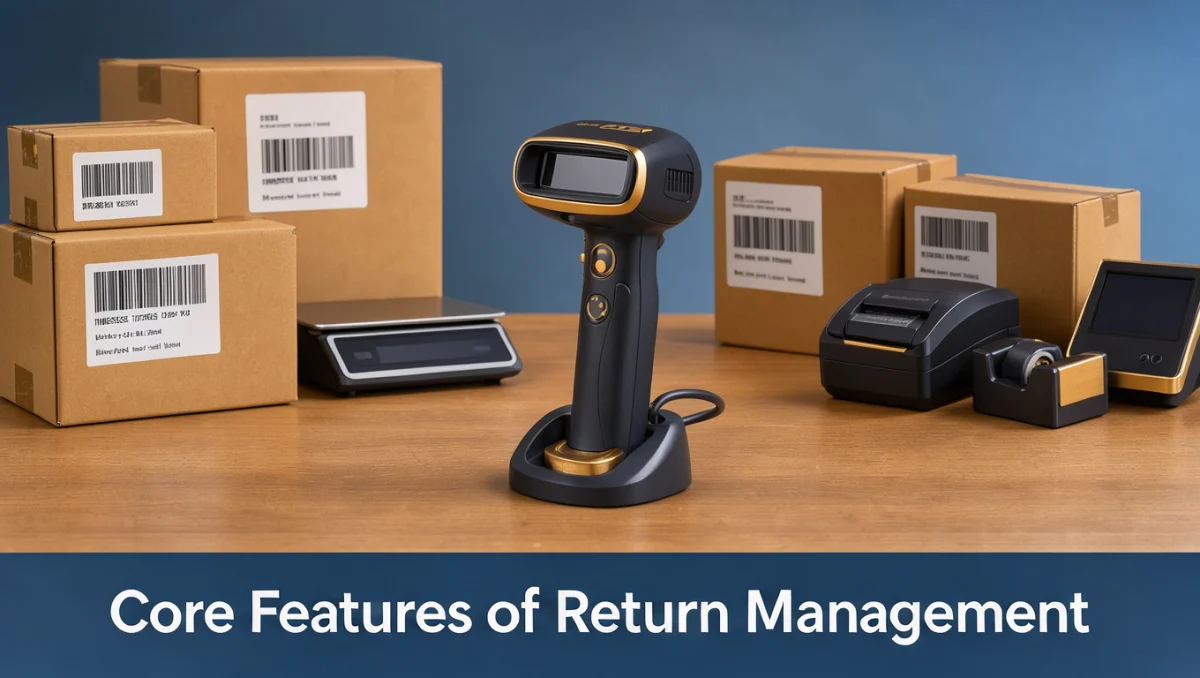
Reverse logistics platforms combine several operational functions to make sure shoppers follow store return guidelines while parcel labels are generated accurately. Looking at each functional area helps operations planners understand how a return tool fits into daily store schedules.
3.1. Branded Customer Return Intake Interface
The consumer-facing portal is an interactive web interface where shoppers start their own returns using order numbers and postal codes. Customers select items from their order history, state a return reason, and choose a resolution such as a refund or store credit. Retailers set visual elements like brand logos, color schemes, and policy instructions to keep branding consistent throughout the return journey.
Self-service intake cuts inbound support tickets because buyers complete label generation on their own. Once the customer finishes the prompts, the portal produces a printable return label or a digital drop-off code, depending on carrier options. Buyers get immediate instructions on packaging, drop-off timeframes, and depot locations, which prevents common misunderstandings.
3.2. Return Policy Rule Engine and Fee Deductions
Policy rules let merchants define when products can or cannot be returned through automated channels. Business owners set eligible return windows, exclude final-sale categories, and assign specific return reasons to particular warehouse locations. Rules also determine whether the buyer or the store absorbs return postage, with label fees optionally deducted from the eventual refund.
Automating policy enforcement stops ineligible requests before labels are issued. When a customer tries to return an item after the allowed window, the interface tells them so based on the preconfigured parameters. Administrators can review return metrics to spot recurring defects, packaging failures, or sizing mismatches across product lines.
3.3. Carrier Label Generation and Multi-Carrier Routing
Logistics platforms connect to parcel carrier networks to produce compliant shipping documents for regional and international delivery. The system assigns tracking numbers to incoming parcels and updates their status automatically as they move through carrier sorting facilities. Buyers gain access to drop-off networks, parcel lockers, or postal counters based on the carrier services activated in the software.
Cross-border returns require customs documentation when packages come back from international addresses. Clear routing paperwork keeps items from getting stuck at transit hubs because a declaration form is missing. Operations teams track parcel progress through a central dashboard, so inventory clerks can schedule inspection shifts accurately.
3.4. Tracking Notifications and Customer Communication
Automated parcel notifications send status alerts at key milestones along the return journey. Shoppers receive confirmation when a carrier scans the package at a drop-off point, when it leaves a transit hub, and when it reaches the destination warehouse. Clear messaging reduces customer anxiety and cuts the number of routine status inquiries sent to front-line support.
Merchants keep visibility over transit delays and exceptions that happen during carrier transport. If an item hits a sorting error or an address correction, the update appears in the operations monitoring feed. Keeping buyers informed during return transit builds trust and protects brand reputation, even when the merchandise did not meet the buyer's expectations.
4. Ease of Use and Implementation Workflow
Adopting returns management software involves administrative setup, rule configuration, and testing the customer-facing interface. Shipping platforms typically provide guided onboarding menus, but configuring localized policies requires careful attention from store administrators.
Setup starts with connecting your ecommerce storefront and activating the carrier agreements you plan to use. Merchants upload store graphics, define return windows, and list acceptable return reasons. The interface relies on modular form builders where managers switch options on or off without writing custom database code. Establishing return policies takes moderate effort, especially when separate sales territories need distinct rules.
For shoppers, the return portal needs very little technical skill because the prompts follow familiar checkout-style steps. Customers enter basic order details, select items to return, and view printable instructions on one screen. The simplicity of this flow reduces incomplete return submissions and makes sure packaging guidelines are clear before the shopper drops off the parcel.
5. Pros and Cons of Sendcloud Returns Portal
Every software platform brings operational benefits along with practical limitations. Understanding both helps retail managers make objective purchasing decisions.
5.1. Operational Strengths
- Automates customer return label generation, removing repetitive manual email correspondence from daily support queues.
- Enforces standardized return windows and product exclusions automatically before labels are issued.
- Supports multi-carrier shipping documentation, helping businesses offer a range of regional drop-off methods.
- Maintains consistent brand presentation through customizable portal colors, logos, and tracking notifications.
- Supplies reverse logistics tracking data, giving warehouse staff advance notice of arriving packages.
5.2. Practical Limitations
- Advanced workflow customization is tied to the vendor's platform structure, which limits bespoke routing designs for non-standard warehouses.
- Return carrier availability depends on active carrier contracts and supported geographic shipping lanes.
- Businesses running complex repair, warranty, or parts-refurbishment cycles may find general ecommerce return workflows too simple for specialized technical intake.
6. Sendcloud vs Similar Shipping and Return Tools
Online retailers often compare Sendcloud with other dedicated shipping platforms such as ShipStation, Shippo, and parcel-focused logistics suites. Comparing market positioning shows where each vendor puts its development priorities.
Sendcloud builds its platform around automated shipping execution, label printing, and customer-facing return interfaces for ecommerce merchants selling across European and international corridors. ShipStation has traditionally emphasized high-volume multi-channel order processing and deep warehouse automation, appealing to merchants who push large package volumes across several online marketplaces. Shippo focuses on flexible label creation and simpler carrier access, aimed at growing small businesses that want straightforward parcel solutions.
When choosing between logistics tools, buyers should weigh whether they want a unified outbound and return shipping dashboard or a specialized standalone return optimization platform. Some dedicated return systems focus purely on warranty exchanges and reverse logistics grading, while full shipping suites bundle returns with outbound label picking, packing, and carrier rate selection. Reviewing each vendor's official documentation makes sure your choice fits your warehouse capacity.
7. Who Should Use Sendcloud Returns Portal
Operational fit depends on order volume, staff availability, and how complicated your return policies are. Different business profiles see different results when they adopt return software.
7.1. Small and Medium Ecommerce Retailers
Growing online merchants handling steady daily returns get immediate relief from automated label generation. Moving away from manual email exchanges protects team productivity and shortens customer wait times. Store owners keep direct control over return fees by setting automatic deductions from final refunds.
7.2. Apparel and Footwear Retailers
Fashion and apparel brands see higher return rates because of sizing and fit issues. A structured self-service return portal lets these merchants offer organized exchange flows, encouraging shoppers to pick a replacement size instead of demanding a full monetary refund. Automated notifications keep shoppers informed while parcels travel back for restocking.
7.3. Cross-Border Online Sellers
Businesses shipping across national borders need carrier networks with accessible international drop-off points. Standardized reverse shipping tools make sure required customs documentation travels with returned items, reducing clearance delays at borders. International shoppers benefit from localized language interfaces during the return process.
7.4. When This Software Is Not the Right Choice
Companies that make custom-engineered industrial machinery, bespoke personalized gifts, or perishable goods rarely benefit from automated self-service returns. These sectors need individual customer consultation, specialized transport handling, or strict no-return policies. Enterprise operations with multi-tier diagnostic repair depots also usually need dedicated service management tools rather than a standard retail parcel return interface.
8. How to Choose the Right Plan and Avoid Common Traps
Software vendors organize shipping platforms into subscription tiers based on package volume, user seats, and advanced feature access. Subscriptions usually rise as monthly parcel volume grows, so operational budgeting needs care.
| What to Check on the Official Page | Why It Matters for Your Business |
|---|---|
| Included monthly parcel allowances | Exceeding standard label volumes often triggers per-package surcharges on subscription invoices. |
| Return portal customization depth | Basic tiers may restrict branding elements or custom domain hosting for the customer portal. |
| Return label generation fees | Some platforms charge separate administrative fees for return labels generated through customer portals. |
| Multi-carrier account connectivity | Confirm whether using your own negotiated carrier contracts requires a higher tier subscription. |
| User seat and location permissions | Multi-warehouse operations need separate staff logins and segregated return intake addresses. |
To keep ongoing costs predictable, store operators should audit average monthly return volumes across peak and off-peak quarters. Comparing historical return percentages helps forecast the right tier before you sign an annual commitment. When you expand support services, our Customer Service section offers further perspective on managing post-purchase communication.
9. Frequently Asked Questions
9.1. How does an automated return portal reduce customer support workload
An automated return portal lets shoppers start returns, state return reasons, and print carrier labels on their own. Because customers get tracking details and shipping instructions directly from the web interface, support teams spend far less time on basic label requests and status questions.
9.2. Can merchants require customers to pay for return shipping labels
Merchants configure return fee settings within the administrative policy rules. Store operators can absorb return postage or automatically deduct a set label fee from the final customer refund, so business policy matches profitability targets.
9.3. What steps should a business take before launching a return portal
Before launching a customer-facing return portal, retail managers should audit existing return policies, confirm carrier drop-off coverage, and set clear warehouse inspection steps. Testing the portal with simulated customer orders confirms that routing rules and email triggers work correctly.
9.4. How do return portals handle international package returns
International returns require proper customs declaration documents and cross-border carrier routing. Specialized return portals generate the right parcel paperwork based on origin and destination addresses, helping parcels clear border inspections without unnecessary delays.
9.5. How should a business evaluate return portal costs
Evaluating total return costs means reviewing subscription base fees, return label generation charges, and carrier postage rates. Retailers should check official vendor pricing documentation to see whether return volume thresholds change monthly software expenses.
10. Final Verdict
The sendcloud returns portal provides a structured, self-service return framework that simplifies reverse logistics for growing online retailers. By automating customer intake, enforcing return policy windows, and standardizing parcel label creation, the platform removes repetitive support tasks and improves post-purchase satisfaction. Companies with specialized repair workflows may outgrow standard ecommerce return templates, but most retail businesses benefit from its coherent carrier coordination and clear shopper interface.
| Evaluation Criterion | Score /10 | Assessment Reason |
|---|---|---|
| Features | 8.5 | Comprehensive return intake, policy rule controls, and multi-carrier label generation. |
| Ease of Use | 8.0 | Clear customer self-service steps and accessible administrative policy configuration panels. |
| Pricing and Value | 7.0 | Value depends on label volumes, carrier fees, and plan tier limits verifiable on vendor pages. |
| Integrations | 7.5 | Connects with major storefront platforms and diverse parcel carrier networks for centralized operations. |
| Audience Fit | 8.0 | Strong operational alignment for growing ecommerce merchants and direct-to-consumer apparel stores. |
| Support | 7.0 | Assistance varies across subscription tiers, so buyers should check official SLA documentation. |
| Competitive Position | 7.5 | Competitive option for shipping and return automation alongside established parcel logistics platforms. |
Overall score: 7.6/10
Retail businesses looking to modernize reverse logistics should audit monthly return rates, verify regional carrier options, and test policy rule flexibility against store requirements. For detailed purchasing advice and software evaluations, consult our published resources at Best Coupon Blogs to select tools that match your operating model.
Readers with specific logistics questions or integration inquiries can reach our editorial staff through the contact page, or follow updates on our company LinkedIn page.