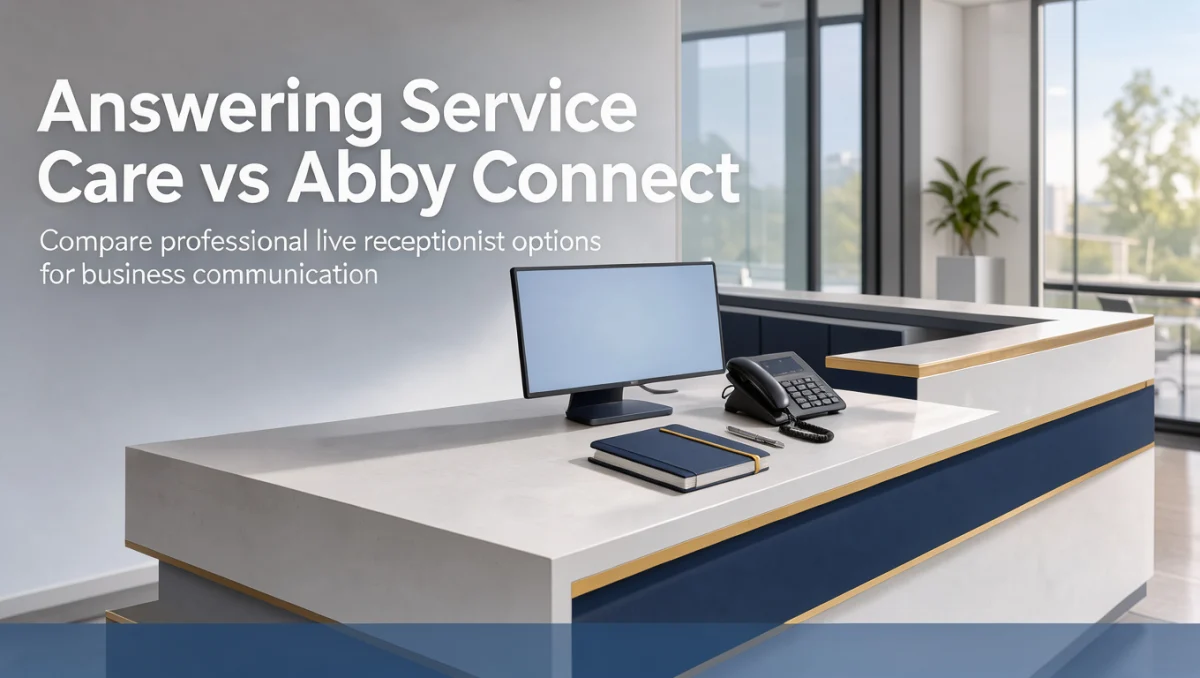
Running an expanding business means balancing client communication with operational focus. Choosing between answering service care vs abby connect gives organizations two distinct paths to offload incoming calls, capture potential leads, and schedule appointments without sacrificing professional polish.
The evaluation team at Best Coupon Blogs analyzes front-office software and external communication tools against strict operational standards, giving teams the transparent data needed to configure reliable support pipelines.
Summary verdict: Receiving a composite rating of 8.0/10, both services solve persistent telephone disruptions. Abby Connect shines when firms require tight-knit, dedicated receptionist cohorts for detailed intake. In contrast, Answering Service Care provides robust round-the-clock message routing suited for unpredictable operational hours. High-capacity call centers must still arrange custom enterprise options.
| Metric | Details |
|---|---|
| bestcouponblogs score | 8.0/10 |
| Best for | Organizations wanting structured client intake, call routing, and appointment scheduling |
| Not ideal for | Firms needing on-premise physical administrative staff or automated interactive voice systems without human involvement |
| Key strengths | Live telephone answering, caller message delivery, appointment coordination, bilingual greeting capability |
| What to check before buying | Confirm call allocation units, after-hours coverage terms, and CRM synchronization directly on official provider pages |
Our Evaluation Methodology and Standards
Our assessment framework examines functionality, operational simplicity, cost efficiency, software connectivity, user suitability, customer support quality, and market viability. Because subscription tiers and inclusions fluctuate, decision-makers must inspect official vendor channels before finalizing agreements. This review was compiled through initial AI-assisted research and validated by our senior editorial staff.
Overview: Which Virtual Receptionist Matches Your Team?
The choice between these two platforms hinges on your primary operational demand: do you prefer a dedicated mini-team of receptionists who master your client intake, or do you need uninterrupted telephone answering across nights and weekends? Both platforms eliminate missed calls and reduce front-desk administrative burdens.
Companies navigating hybrid workflows regularly turn to tools within the Collaboration & Productivity category to keep inbound pipelines running smoothly alongside daily operations.
| Tool | Best for | Core strength | Consider if |
|---|---|---|---|
| Answering Service Care | Businesses needing continuous telephone availability and bilingual message handling | Flexible message relay and continuous telephone dispatching | Your business manages irregular emergency inquiries across evenings and weekends |
| Abby Connect | Professional practices needing personalized customer intake and structured scheduling | Dedicated receptionist team structure and custom client onboarding scripts | Your firm requires consistent receptionist familiarity for complex appointment workflows |
Primary Receptionist Features and Capabilities
At their foundation, both providers field incoming calls, filter unwanted solicitors, record precise memos, and coordinate calendar entries using customized corporate greetings. Human agents manage conversations using pre-approved scripts tailored to your company's guidelines.
Data collection during intake remains critical. Prospective users should explore how thoroughly virtual receptionists gather prospect information before transferring priority calls or transmitting summaries via SMS and email.
Calendar synchronization directly influences efficiency. Teams must confirm on official provider portals which scheduling tools integrate cleanly with operator interfaces to stop calendar overlaps and scheduling confusion.
Account Onboarding and Daily Administration
Deploying either system involves crafting response scripts, defining routing rules, and setting notification alerts. An intuitive administrative dashboard allows internal managers to amend staff directories and update urgent contact paths without technical delays.
Management consoles typically let administrators revise standard operational hours, inspect call recordings, and review inbound traffic records. It is vital to check how rapidly new handling instructions propagate to active receptionists.
Clear analytics dashboards ensure transparent operational oversight. Assess whether the reporting views provide meaningful insights into incoming telephone traffic and conversation outcomes.
Subscription Pricing and Long-Term Value
Both services generally structure monthly plans around active operator minutes or individual completed calls. Since total billing correlates directly with call duration and volume, businesses should review their past communication history before committing to a plan.
Supplemental fees frequently apply to weekend coverage, holiday shifts, bilingual communication, or detailed intake surveys. Prospective buyers must inspect official price lists to understand how overage minutes and custom options affect monthly invoices.
Evaluating real value involves calculating how much internal administrative time human receptionists save your staff. Always review contract commitments and cancellation clauses on the providers' websites.
Third-Party Integrations and Workflow Connectivity
Virtual receptionist services deliver maximum efficiency when interaction notes and booking details flow automatically into internal CRM systems. Real-time synchronization eliminates repetitive data entry and protects prospect records.
Software integration options differ between subscription levels. Managers must check official provider resources to verify whether their primary software ecosystem connects natively or requires automation bridges like webhooks.
Teams using proprietary client management tools must confirm whether custom integrations are available to route incoming customer information into the correct operational pipelines immediately.
Target Industries and Operational Match

Specialized fields such as law offices, healthcare providers, real estate groups, and field contractors require tailored communication practices. Picking the right answering service means ensuring receptionists can adapt to industry-specific caller expectations.
Abby Connect appeals to corporate and professional offices where small, dedicated receptionist pods build familiarity with regular clients and complex intake protocols.
Answering Service Care is tailored for maintenance companies, trade contractors, and property managers requiring dependable call management throughout varied shifts, including holidays and off-hours.
Customer Service and Receptionist Quality Control
Sustaining communication standards demands systematic operator training, regular quality monitoring, and responsive account management. Fast support channels ensure script modifications happen swiftly as internal workflows change.
Subscribers should examine how customer care teams address script updates and billing questions. Knowing the available support avenues prevents friction when routing procedures must change quickly.
Reviewing recorded calls helps verify whether telephone agents follow company standards and greeting guidelines. Confirming call log access on provider platforms provides valuable oversight.
Market Context and Alternative Solutions
The remote receptionist market includes national answering hubs alongside specialized boutique firms. Both Answering Service Care and Abby Connect maintain established reputations in this space.
Alternative providers often distinguish themselves with medical compliance certifications or simplified low-cost message logging. Comparing these services against peers like Ruby Receptionists or Lex Reception clarifies which model fits your firm best.
Knowing where each brand focuses its operational strengths ensures you select an answering partner that fits your daily call tempo and customer service objectives.
Decision Framework: Selecting the Right Solution
Select the ideal partner by evaluating call metrics, intake complexity, and operational schedules using this straightforward checklist:
- Estimate your monthly incoming call totals and average minutes spent per caller.
- Clarify whether your team requires 24/7 emergency coverage or focused daytime answering.
- Identify the essential client qualifying fields operators must complete during intake.
- Examine provider terms covering minute overage fees, onboarding requirements, and billing increments.
- Verify official technical documentation for calendar and CRM compatibility.
Frequently Asked Questions
What factors determine total monthly costs for answering services?
Monthly expenses depend on base minute packages, total receptionist talk time, and optional services. Check the official pricing sheet to evaluate how overage rates, holiday hours, and bilingual support adjust your final costs.
How should a company prepare call handling scripts for receptionists?
Establish standard greetings, basic caller qualification steps, regular business hours, and clear escalation protocols for emergencies. Testing workflows during onboarding ensures phone agents represent your brand accurately.
What is the difference between minute-based and call-based billing models?
Minute-based pricing charges for the exact time receptionists spend on calls, while call-based plans bill a preset rate per conversation regardless of time spent. Evaluate past call lengths to pick the model that matches your traffic patterns.
Why should businesses review integration options before subscribing?
Confirming CRM and calendar connectivity ensures caller data and reservations sync seamlessly without duplicate administrative work. Inspecting native support on official portals avoids workflow friction between external agents and internal teams.
Verdict and Comparison Scorecard
Deciding between Answering Service Care and Abby Connect comes down to choosing between a dedicated receptionist pod structure and versatile, round-the-clock call coverage. Both vendors deliver professional call handling that prevents lost opportunities.
| Criterion | Score /10 | Reason |
|---|---|---|
| Features | 8.5/10 | Provides dependable call answering, structured message taking, caller screening, and appointment scheduling workflows. |
| Ease of Use | 8.0/10 | Web portals allow straightforward script setup, account management, and message log reviews. |
| Pricing and Value | 7.5/10 | Value depends on call duration efficiency; buyers must examine official overage rates and minute minimums. |
| Integrations | 7.0/10 | Supports essential business software connections, though buyers should verify specific CRM compatibility. |
| Audience Fit | 8.5/10 | Serves specialized professional practices and commercial service providers needing consistent live phone coverage. |
| Support | 8.0/10 | Account representatives assist with script changes, operational setup adjustments, and administrative oversight. |
| Competitive Position | 8.5/10 | Maintains solid standing within the live telephone answering and virtual receptionist service sector. |
Final Score: 8.0/10
For boutique consultancies, legal firms, and practices demanding consistent intake teams, Abby Connect offers a tailored, high-touch experience. For commercial services, field operators, and companies needing dependable coverage 24 hours a day, Answering Service Care offers flexible operational relief.