bestcouponblogs may earn a commission when you buy through links on this page, at no extra cost to you. This does not affect our ratings.
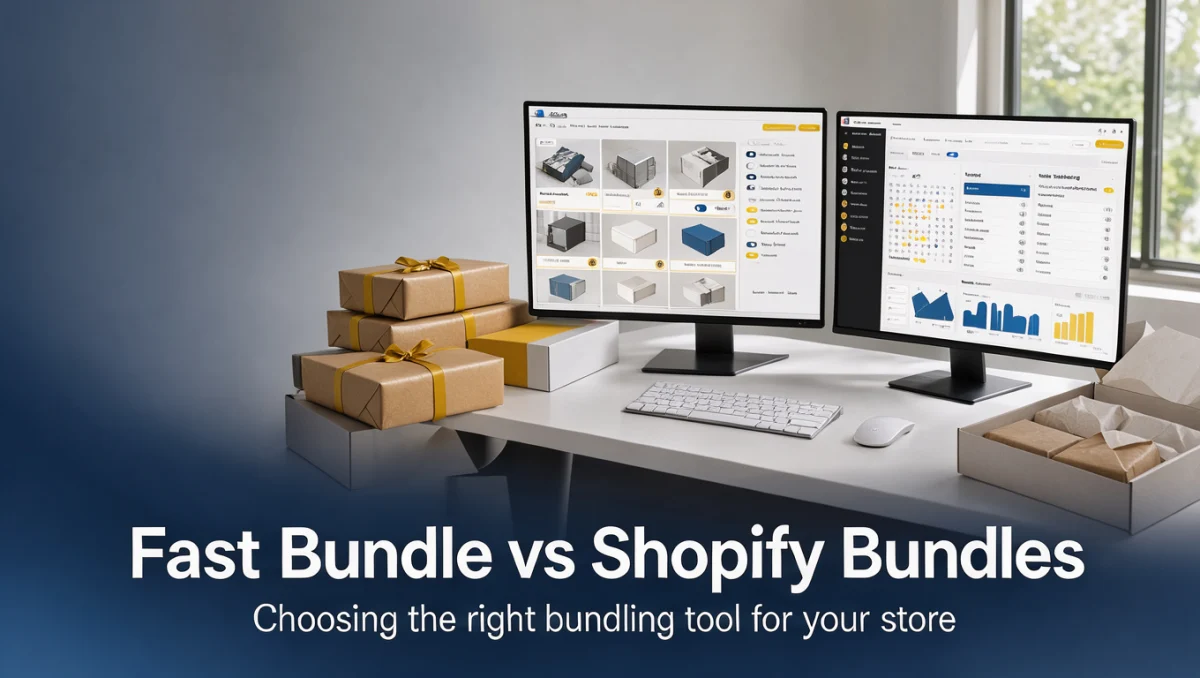
If you want to raise average order value and organize multi-item offers in 2026, the choice between fast bundle shopify vs shopify bundles is worth careful thought. The tool you pick shapes how your inventory is organized, how checkout feels to shoppers, and how your products are merchandised. Our team at bestcouponblogs tests both options against a clear framework built for online retail operators.
Both tools handle product bundling, but they are built around different priorities. Before committing, store owners should weigh how much merchandising flexibility they need against how simple the setup should be. For wider context on how specialized apps stack up against built-in platform features, see our E-commerce coverage.
Short answer: Pick Fast Bundle if your strategy depends on varied promotions like mix-and-match kits or tiered volume discounts, which earns it an overall score of 8.2/10. Pick Shopify Bundles if you want straightforward, native bundle creation with no extra subscription layer, which earns it 8.0/10.
| Evaluation Metric | Fast Bundle | Shopify Bundles |
|---|---|---|
| bestcouponblogs score | 8.2/10 | 8.0/10 |
| Best for | Merchants needing advanced promotional bundles and custom kit builders | Merchants seeking simple, native bundle configurations directly in admin |
| Core focus | Flexible bundle presentation, volume discounts, and custom kits | Streamlined standard bundling integrated with core platform inventory |
| Consider if | Your store relies heavily on dynamic bundling offers to raise order value | Your catalog requires basic fixed product groupings without extra tools |
1. How bestcouponblogs Tested Fast Bundle and Shopify Bundles
We examined what each tool is designed to do, who it serves, and how to choose between them. Our review covers seven criteria: features, ease of use, pricing and value, integrations, audience fit, support, and competitive position. Plans, prices, and limits change frequently, so we flag what to verify on each official website before buying. This article was researched and drafted with AI assistance, then reviewed and edited by the bestcouponblogs Editorial Team.
2. Where Fast Bundle and Shopify Bundles Diverge
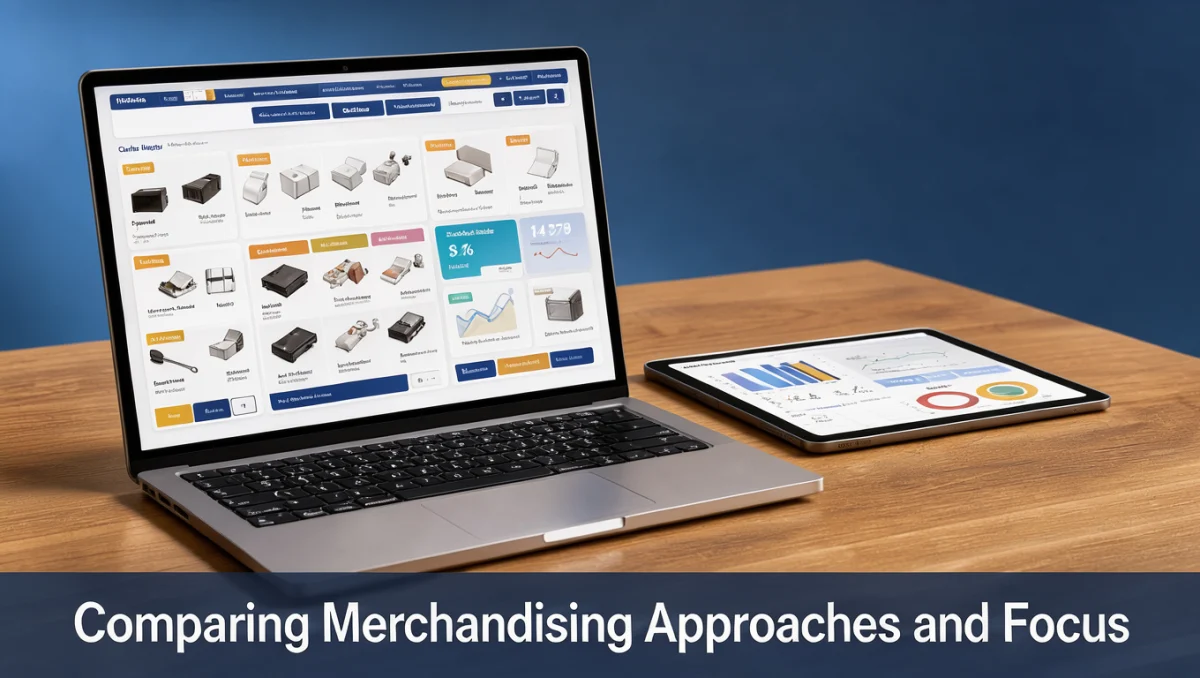
Fast Bundle is a dedicated app built to give merchants a wide range of merchandising options. It supports bundle formats such as buy-one-get-one offers, frequently bought together suggestions, volume breaks, and customizable kits where shoppers select their own components. It suits growing merchants and consumer brands whose sales strategy leans on promotional variety.
Shopify Bundles is a native feature from Shopify for handling simple multi-product groupings. Its strengths are simplicity, tight platform alignment, and direct inventory syncing across component items. It suits merchants who need standard fixed bundles or multipacks without managing third-party app settings or complex configuration.
- Fast Bundle emphasizes promotional breadth and tailored visual merchandising.
- Shopify Bundles emphasizes unified catalog administration and streamlined product combinations.
3. Which One Fits Your Situation
The right bundling tool for your daily workflow depends on your catalog structure, promotional complexity, and fulfillment setup. Reviewing your requirements against objective analysis on Best Coupon Blogs can help align your business goals with the software's capabilities.
| Situation | Choose Fast Bundle if | Choose Shopify Bundles if |
|---|---|---|
| Selling simple fixed gift sets | You want additional promotional upsells alongside the gift set | You only need fixed components combined into a single purchasable unit |
| Offering customer-built kits | You want buyers to pick flavors, sizes, or accessories in a customized builder | You do not require dynamic buyer customization during selection |
| Running tiered quantity discounts | You use tiered volume discounts to reward higher item quantities | You handle volume promotions through discount codes or platform scripts |
| Managing multi-location inventory | You verify inventory syncing rules meet your multi-warehouse setup | You prefer standard inventory subtraction native to the storefront catalog |
| Minimizing app overhead | You accept third-party app management for advanced merchandising power | You want zero external software management in your store administration |
4. How to Compare Them Yourself
Comparing fast bundle shopify vs shopify bundles means testing each option against your everyday catalog operations. Work through these steps to evaluate both tools in a structured way.
4.1 Features
Look at the bundle structures each tool supports. Set up a fixed package, an optional add-on, and a component bundle to confirm which formats your offers require.
4.2 Ease of Use
Assess the creation process from the merchant admin side. Check how easily you can select items, adjust pricing rules, and publish bundles to the live storefront.
4.3 Pricing and Value
Review the official pricing documentation for each tool. Find out whether bundling features carry recurring monthly fees, transaction costs, or app tier upgrades as your store grows.
4.4 Integrations
Confirm how bundle orders flow into your warehouse management, enterprise resource planning, and third-party logistics systems by checking the official product documentation.
4.5 Audience Fit
Consider whether your team needs guided setup or whether standard store operations are enough. Match the tool's complexity to your merchandising staff's technical skill.
4.6 Support
Review the documentation, help resources, and support channels each vendor offers before rolling out bundles across active sales campaigns.
4.7 Competitive Position
Weigh a dedicated commercial app against a built-in platform feature to see which product direction matches your long-term business goals.
5. Cost Checklist for Both Tools
Bundling tools often involve direct subscription fees or operational overhead. Use this checklist to confirm costs before you implement either one.
| Cost item | Ask about Fast Bundle | Ask about Shopify Bundles |
|---|---|---|
| Subscription fees | Confirm current recurring subscription tiers on the official Fast Bundle listing | Check whether standard platform inclusion applies across your store plan |
| Transaction fees | Inquire whether specific plan tiers assess usage or revenue-based fees | Confirm whether extra transaction fees apply to bundle sales |
| Theme integration costs | Ask if professional web developer time is required to adjust custom storefront code | Check if your active storefront theme natively supports platform bundle blocks |
| Fulfillment application fees | Confirm whether secondary apps are required for split-item inventory management | Verify if your warehouse software requires updates to recognize component line items |
6. How to Decide
- List the exact bundle formats you plan to sell, including multipacks, kits, and quantity breaks.
- Confirm on the official Shopify App Store listings which pricing tiers or plan requirements apply to each tool.
- Test bundle publishing on an unreleased theme or staging store to check cart display and checkout behavior.
- Review test order fulfillment records with your logistics team to confirm inventory tracking is accurate.
- Choose the tool that meets your promotional needs with the least operational friction.
7. Frequently Asked Questions
Which bundling tool handles complex mix-and-match packages better?
Merchants who want customizable kits where shoppers choose distinct items generally find dedicated solutions like Fast Bundle better aligned with that workflow. Confirm specific kit-building capabilities on the official app listing page.
How does inventory synchronization work across these options?
Inventory deduction depends on whether the system tracks the bundle as its own SKU or deducts stock from individual components. Check the technical documentation for both tools to confirm they align with your warehouse setup.
Can a store switch between these two bundling tools easily?
Switching requires recreating bundle definitions and verifying that theme display blocks update correctly. Testing the migration on a draft theme helps prevent customer-facing display errors.
Do these bundling tools affect checkout speed?
Checkout speed depends on storefront asset loading, script volume, and native platform interactions. Reviewing storefront speed metrics after publishing bundle displays helps keep the customer experience consistent.
8. Final Verdict
Both Fast Bundle and Shopify Bundles are dependable ways to bundle merchandise, but they suit different merchant profiles. Fast Bundle offers flexible promotion structures for stores focused on dynamic merchandising, while Shopify Bundles provides efficient, low-friction bundling for standard multi-item offers.
| Criterion | Fast Bundle score /10 | Shopify Bundles score /10 | Reason |
|---|---|---|---|
| Features | 8.8 | 7.4 | Fast Bundle supports diverse promotional configurations, while Shopify Bundles focuses on standard combinations. |
| Ease of Use | 7.6 | 8.8 | Shopify Bundles offers seamless admin familiarity, whereas advanced bundle rules require more configuration. |
| Pricing and Value | Confirm before buying | Confirm before buying | Check official pricing pages because software tiers and platform plan conditions change over time. |
| Integrations | Confirm before buying | Confirm before buying | Review third-party logistics compatibility in each provider's official documentation. |
| Audience Fit | 8.4 | 7.8 | Fast Bundle suits high-growth promotional stores, while Shopify Bundles fits standard catalog grouping needs. |
| Support | Confirm before buying | Confirm before buying | Verify current support channels and documentation quality on the official vendor websites. |
| Competitive Position | 8.0 | 8.0 | Each tool holds a clearly distinct position, between a dedicated commercial app and a native core feature. |
| Overall score | 8.2 | 8.0 | Fast Bundle averages 8.2/10 for merchandising versatility; Shopify Bundles averages 8.0/10 for native simplicity. |
Have a question about choosing software? Send it to the bestcouponblogs team through our contact page, or follow bestcouponblogs on LinkedIn for new reviews and comparisons.