Our team at Best Coupon Blogs may earn a commission when you purchase through links on this page, at no additional cost to you. Commissions never influence our ratings.
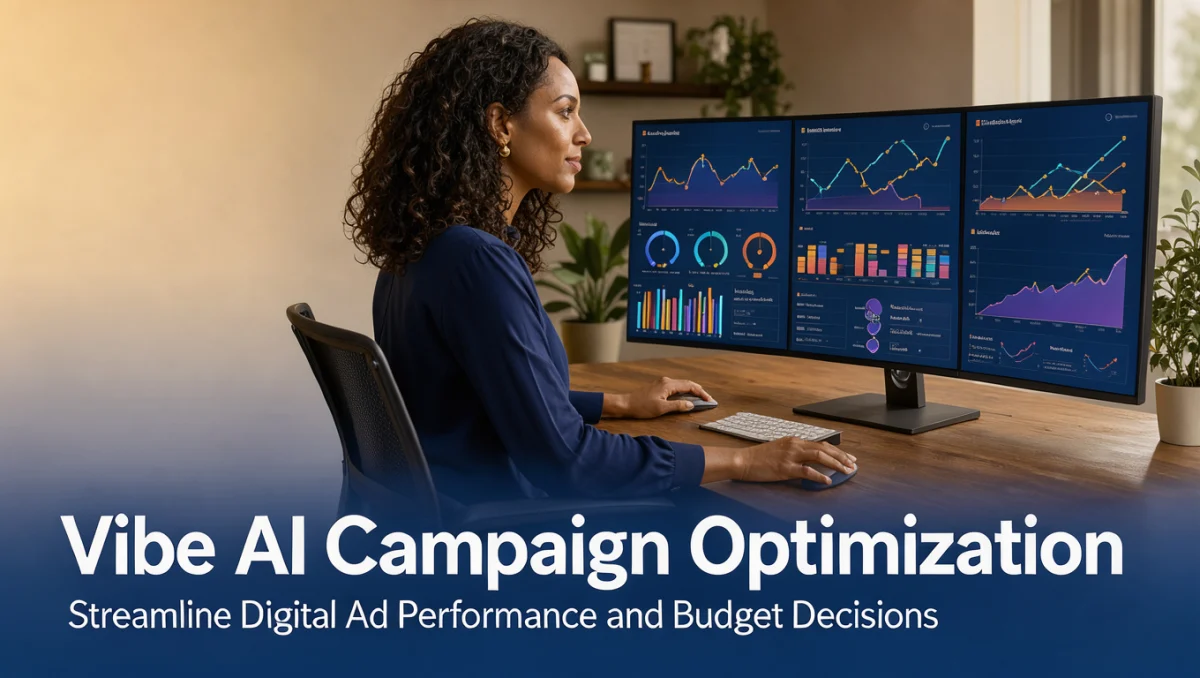
Teams juggling ad spend across several channels often need a single place to judge what is working. Vibe ai campaign optimization aims to give marketers that view by refining audience targeting, budget distribution and creative results, while flagging where spend is slipping. Before adding any campaign software, it helps to know how its automated suggestions will sit alongside your daily routine.
Automation can reclaim hours spent compiling reports and rebalancing budgets every week. The strongest setups keep human oversight over ad dollars while letting software handle the constant number crunching.
Quick verdict: With an overall score of 7.6/10, this tool suits marketers running multichannel campaigns who want automated performance guidance. It is a weaker fit for businesses with no active ad spend or for teams that want hands-on control over every bid and micro-metric.
| Metric | Summary |
|---|---|
| Best Coupon Blogs score | 7.6/10 |
| Best for | Teams coordinating ongoing ad placements that want centralized campaign recommendations |
| Not ideal for | Solo users not running campaigns, or teams that need complete manual bid control |
| Key strengths | Cross-channel data aggregation, audience rebalancing and creative reporting |
| What to check before buying | Tracking requirements, seat allocation and supported channel structures on the official website |
1. How Best Coupon Blogs Evaluated Vibe AI Campaign Optimization
This assessment examines what the software is built to accomplish, which users it serves, and how it stacks up against comparable tools. We apply seven criteria: features, ease of use, pricing and value, integrations, audience fit, support and competitive position. Plans, prices and limits change frequently, so we highlight the items to confirm on the official website before purchase. This article was researched and drafted with AI assistance, then reviewed and edited by the Best Coupon Blogs Editorial Team.
2. Defining Vibe AI Campaign Optimization and Its Target Users
At its core, vibe ai campaign optimization is a digital marketing management product designed to monitor, measure and enhance online promotional efforts. Instead of signing into separate ad platforms to check performance, media buyers can view aggregate return on ad spend in one place and receive structured allocation suggestions.
Its main audience includes marketing professionals, agency coordinators and growth managers handling multi-format advertising. While they manage ad copy, demographic targeting and budget pacing, automated prompts help surface underperforming assets before money is wasted.
Teams looking for operational efficiency often compare these tools with broader Collaboration & Productivity software to keep handoffs between creative strategists and analysts running smoothly.
3. Key Capabilities Worth Knowing
Software built for digital ad optimization turns complicated conversion data into practical marketing decisions. The core functional areas are outlined below.
3.1. Performance Monitoring and Metric Consolidation
A consolidated view lets media planners assess impression share, click-through rates and conversions side by side. Rather than assembling fragmented spreadsheets at the end of each billing cycle, teams follow promotional pacing through ongoing data synchronization.
3.2. Automated Budget and Bid Recommendations
The adjustment engine studies performance trends and proposes how to distribute budget across live campaigns. When certain audience segments deliver stronger engagement at better acquisition costs, the platform suggests moving funds toward them.
3.3. Creative Asset Evaluation
Ad fatigue is a persistent challenge across channels. The platform tracks how long each asset remains effective by watching for falling engagement, and it alerts teams when headlines, visuals or video formats need refreshing to keep campaigns performing.
4. Usability and Onboarding Expectations
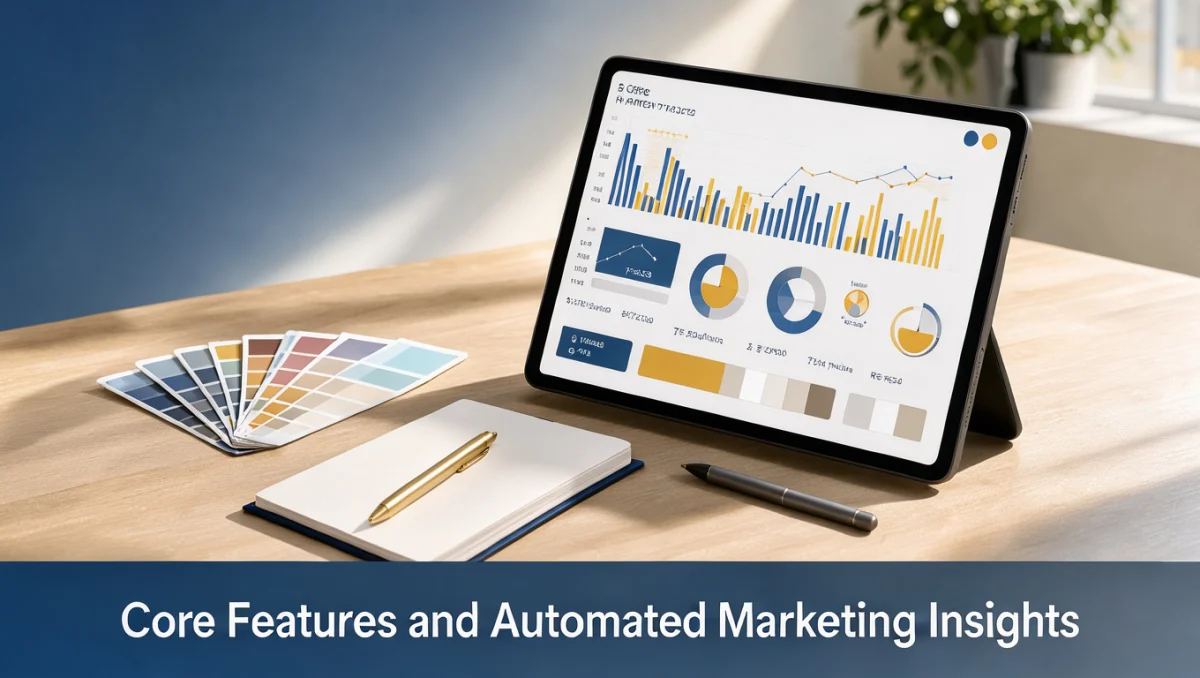
How fast a team adopts marketing automation depends on how quickly members understand the configuration screens and reporting views. Tools in this space typically offer clear visual summaries, but new users still need a working grasp of media buying fundamentals to act on suggestions well.
Team members new to ad terminology may need onboarding to tell apart exploratory audience tests from steady-state promotional work. Conversion tracking and baseline goals also require careful setup at launch.
Teams that name an internal campaign manager tend to transition more smoothly, making sure attribution models and alert rules match company standards from the outset.
5. Strengths and Limitations at a Glance
Every automation tool involves trade-offs that depend on team maturity, spend volume and technical comfort.
5.1. Advantages
- Consolidated oversight simplifies reporting across varied ad initiatives.
- Pacing alerts help prevent budget from draining into fading creative variants.
- Unified recommendations let growth teams test new target audiences in a systematic way.
5.2. Limitations
- Suggestions depend entirely on consistent conversion tracking across your web properties.
- Teams with very small ad budgets will not generate enough data for the optimization logic to add value.
- Confirm on the official website which data connectors and account structures match your setup before committing to a long-term agreement.
6. Comparing Vibe AI With Similar Tools
The campaign management market includes dedicated cross-channel managers such as Madgicx, Smartly and Marin Software, each suited to different business setups.
| Platform Type | Primary Focus | Consider If |
|---|---|---|
| Vibe AI | Algorithmic ad guidance and cross-channel pacing oversight | You manage active ad spend and want structured adjustment suggestions |
| Social-First Managers (e.g., Madgicx) | Social ad creative testing and audience clustering | Most of your budget goes to social advertising networks |
| Enterprise Multichannel Suites (e.g., Marin Software) | Large-scale search, social and retail media coordination | Your organization needs extensive departmental reporting and formal procurement governance |
Before finalizing a subscription, buyers should check the official vendor specifications to confirm which ad inventory fits their promotional plans.
7. Determining Whether It Fits Your Operation
Whether this software makes sense depends on your business model, campaign volume and analytical needs.
7.1. Small Business Owners and Solo Marketers
Owners who juggle many responsibilities rarely have time for daily bid reviews. Software that flags poor conversion trends can help prevent wasted spend, as long as the business already runs verified conversion tracking.
7.2. Marketing Agencies and Growth Teams
Agencies running simultaneous campaigns for different clients gain from a unified recommendation queue. Standardized workflows let media buyers spot adjustment opportunities without assembling separate client reports by hand.
7.3. Non-Profits and Occasional Advertisers
Organizations that run promotions once or twice a year seldom need an ongoing optimization subscription. For occasional campaigns, the native managers inside ad networks are usually enough.
8. Choosing a Plan and Verifying Requirements
Subscription models for ad automation tools often vary by spend thresholds, user seats or analytical features. Use the checklist below when evaluating the official vendor site.
| What to Check | Why It Matters |
|---|---|
| Spend threshold policies | Many ad tools move subscription tiers according to total managed spend, which directly affects cost. |
| Seat and permission structures | Confirm how many media buyers and clients can view dashboards without triggering extra user fees. |
| Historical reporting retention | Knowing how long campaign data stays accessible protects your seasonal trend analysis. |
| Tracking installation requirements | Check whether tracking pixels or server-side setups need developer help before launch. |
9. Frequently Asked Questions
9.1. How should a business decide when to adopt campaign automation software?
Consider dedicated automation once managing active budgets across several campaigns becomes too time-consuming to oversee by hand. If tracking creative fatigue and reallocating budget consumes several hours each week, purpose-built software adds valuable structure.
9.2. What should buyers check about attribution tracking before purchasing?
Verify compatibility with your current tracking setup, web analytics and conversion measurement systems on the vendor's official documentation. Aligning your data pipelines with platform requirements prevents reporting gaps and misleading recommendations.
9.3. Should marketing teams change internal workflows when adopting an optimization platform?
Assign a team member to review and approve automated recommendations rather than letting automation run unchecked. A regular review routine keeps machine suggestions aligned with business priorities and your seasonal marketing calendar.
9.4. How can businesses budget for campaign management software alongside ad spend?
Leaders should plan for possible tier increases as ad budgets grow and treat software as an operating expense. Reviewing plan details on the official pricing page helps you choose a tier that matches anticipated growth.
10. Final Verdict and Rating
Vibe ai campaign optimization offers useful data consolidation and actionable ad adjustments for teams aiming to get more return from active digital campaigns.
| Criterion | Score /10 | Reason |
|---|---|---|
| Features | 7.8 | Offers structured metric consolidation, creative fatigue alerts and audience pacing adjustments. |
| Ease of Use | 7.5 | Clear dashboard layout, though new operators must understand media buying basics. |
| Pricing and Value | 7.2 | Buyers should review managed spend policies on the official pricing page to judge long-term value. |
| Integrations | 7.4 | Needs thorough checking against your specific ad accounts and tracking configuration. |
| Audience Fit | 8.2 | Best suited to active growth teams and multi-campaign managers who want automated guidance. |
| Support | 7.3 | Check available support channels and documentation on the official website. |
| Competitive Position | 7.8 | A focused alternative to complex enterprise suites for active mid-market advertisers. |
Overall score: 7.6/10
For marketing teams managing steady promotional budgets, adopting vibe ai campaign optimization can bring structured oversight and save valuable hours. For questions about software selection or workflow tools, contact our team through Best Coupon Blogs or follow our updates on LinkedIn.