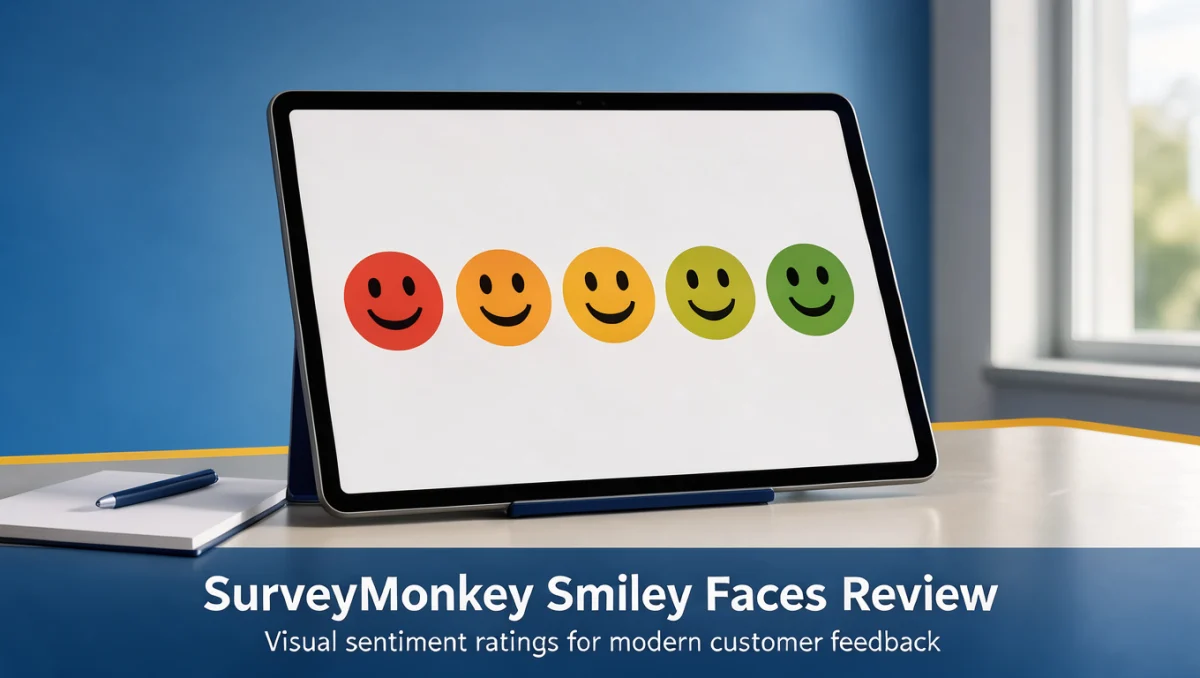
Visual rating scales have become a common shortcut for gathering opinions fast. Instead of asking respondents to weigh a numbered scale, survey monkey smiley faces let them tap one expression that signals how they feel. Our team at Best Coupon Blogs looked at whether this format delivers the speed and clarity that busy organizations expect from feedback tools.
Why Visual Scales Get Faster Responses
People recognize facial expressions almost instantly, so a row of faces asks far less of a respondent than a long label or a ten-point grid. That lower effort tends to keep people from abandoning a short survey halfway through. Teams running quick checks after a purchase or a support chat often find that a single expression captures the mood they need.
Because the cues are universal, the format also works across mixed language groups where written labels might be misread. A smile or a frown carries roughly the same meaning for most readers, which simplifies collection for broad audiences.
Building and Deploying a Smiley Face Question
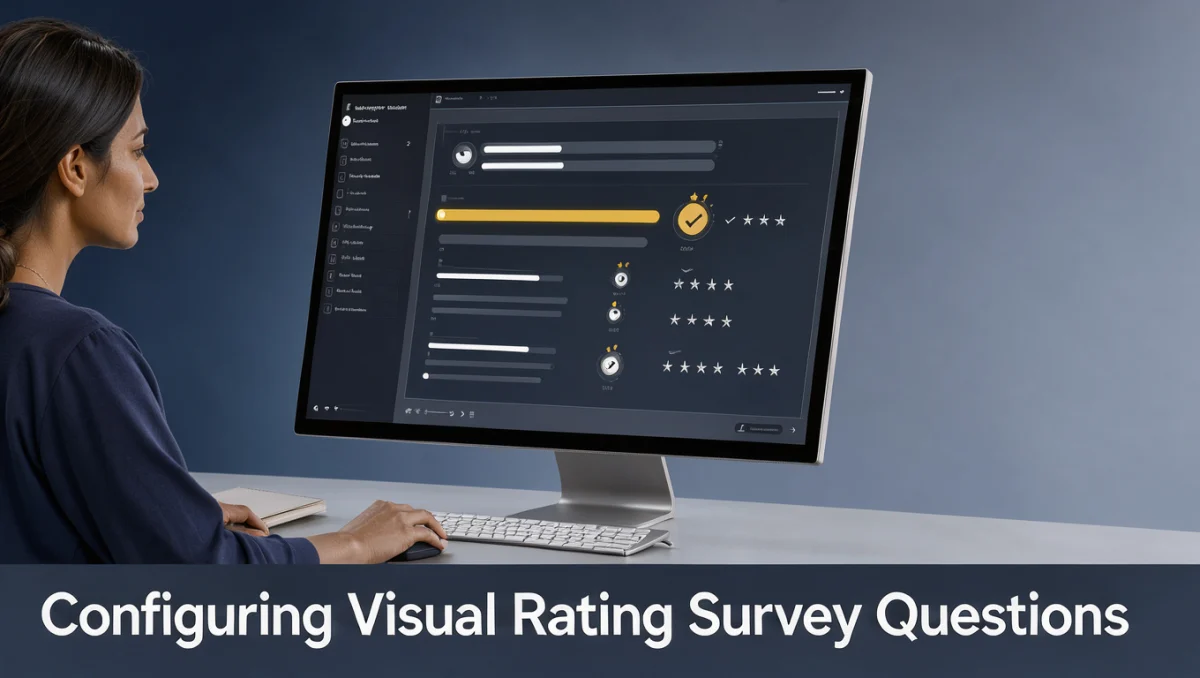
Setting up a visual rating takes little time inside a standard survey editor. You choose the rating format, write the prompt, and preview how the faces display on desktop and phone screens. Most teams can publish a basic pulse survey without specialized methodology training, which suits staff who need feedback this week rather than next quarter.
Once responses arrive, summary charts and filters help you spot shifts in sentiment by date or channel. Those views are useful for noticing a dip in service quality, though they describe how people feel rather than why.
Strengths and Limitations

Visual scales bring clear advantages to quick feedback work:
- Strong engagement: Faces draw attention and reduce early drop-off on short surveys.
- Broad readability: Expressions communicate across languages and reading levels.
- Fast completion: A single tap on a phone takes seconds.
The format also has real constraints worth weighing:
- Limited detail: A selected face shows overall mood but not the specific cause unless you add a follow-up question.
- Uneven interpretation: Respondents may read a neutral face differently from one another.
- Oversimplification risk: Complex product reviews often need multi-point scales that icons cannot express.
How It Compares With Other Survey Tools
Survey platforms approach visual ratings in different ways. SurveyMonkey balances general survey building, straightforward reporting, and a range of question types for everyday business users. Typeform emphasizes a conversational flow that shows one question at a time, which appeals to teams focused on brand experience. Qualtrics serves large research operations that need deep statistical modeling and academic-grade testing. The right choice depends on whether your priority is speed, polish, or analytical depth.
Who Benefits Most From Smiley Face Ratings
The format fits certain teams especially well:
- Support managers who want a single click at the end of a customer conversation.
- Event and retail coordinators collecting reactions on tablets or kiosks.
- Website product teams gauging reaction to a new layout or content change.
- Internal HR staff running short, recurring workplace mood checks.
Research groups running clinical studies, academic psychology work, or detailed vendor scoring should generally choose numerical or verbal scales instead.
Checking Plan Details Before You Buy
Survey software is sold in tiers, and features can differ between them. Confirm these points on the official pricing and feature pages before committing:
| What to check | Why it matters |
|---|---|
| Question type availability | Make sure visual rating questions are included in the tier you plan to buy. |
| Response limits | Confirm monthly allowances match your expected traffic. |
| Branding controls | Check whether you can remove vendor logos and apply your own colors. |
| Data export | Verify whether exporting raw responses requires a higher tier. |
| Team seats | Count how many colleagues need access to build surveys and view results. |
Frequently Asked Questions
What should buyers test before adopting visual scales?
Check whether the platform can add conditional follow-up questions after a negative face, and confirm the faces render cleanly on mobile browsers. Also review how visual results appear in exported summary reports.
How do smiley scales differ from numerical scales?
Visual scales measure emotional sentiment quickly and suit short pulse checks. Numerical scales offer finer gradations for statistical analysis and benchmarking. Your choice depends on whether speed or analytical depth matters more.
When should follow-up questions be added?
Add a text field whenever a respondent picks a negative or neutral face. That turns a mood indicator into specific feedback your team can act on, while satisfied respondents can finish without extra steps.
What drives total software cost?
Budgets should cover the base subscription, extra user seats, and any add-ons for advanced logic or branding. Reviewing official pricing first helps avoid surprise expenses as more departments adopt the tool.
Our Overall Take
Survey monkey smiley faces offer a practical way to collect customer sentiment with little friction for respondents. Teams that need fast feedback loops will find the visual format easy to deploy and easy for people to answer. For help choosing software, reach out to the Best Coupon Blogs team at https://bestcouponblogs.com/contact/ or follow us on LinkedIn at https://www.linkedin.com/company/bestcouponblogs/.
See More Customer Service