Best Coupon Blogs may earn a commission when you buy through links on this page, at no extra cost to you. This does not affect our ratings.
Customer.io segment users tools let digital product teams and subscription brands send automated messages tied to what people actually do inside an app or service. Our evaluators at Best Coupon Blogs ask a simple question: does this event-driven platform give your team the flexibility it needs without adding maintenance work nobody planned for? The right answer depends on how often you message people and how much customer activity data you track.
Moving from basic bulk email to behavior-based communication changes how you think about your list. Contacts no longer sit in one undifferentiated pile. They shift between groups as they act or as their profile details change. Before committing, check whether your data tracking is ready, how many messages you plan to send, and how complicated your branching logic will get.
Quick verdict: Customer.io scores 7.9/10 for depth of behavioral targeting. It suits growth marketers and product teams who need cohorts that update from in-app event tracking. It is a poor fit for a solo operator who only wants simple newsletters with no technical setup.
| Metric | Evaluation |
|---|---|
| Best Coupon Blogs score | 7.9/10 |
| Best for | Product teams and subscription brands that need audience groups built from event streams |
| Not ideal for | Solo operators who send occasional plain-text newsletters without behavioral filtering |
| Key strengths | Event-driven automation, flexible segmentation logic, multi-channel campaign branching |
| What to check before buying | Confirm profile limits and event volume allowances directly on the official Customer.io website |
1. How Best Coupon Blogs Reviewed Customer.io
We examined what Customer.io is designed to do, who it serves, and how it stacks up against similar tools. Our assessment uses seven criteria: features, ease of use, pricing and value, integrations, audience fit, support, and competitive position. Plans, prices, and limits change frequently, so we flag what you should confirm on the official site before buying. This article was researched and drafted with AI assistance, then reviewed and edited by the Best Coupon Blogs Editorial Team.
2. What Customer.io Is and Who It Serves
Customer.io is an automated messaging and engagement platform that sends targeted communications based on user activity, product usage, and behavioral history. It is built mainly for mobile apps, online marketplaces, SaaS companies, and subscription services that run on event streams instead of static mailing lists. Teams use it to coordinate lifecycle emails, push notifications, and in-app alerts as people interact with their product.
Traditional marketing tools were designed around periodic batch sends. Customer.io is built around continuous data ingestion instead. When someone creates an account, finishes an onboarding step, or abandons a checkout, the system reacts right away according to rules you have set. Organizations with technical staff or well-organized customer tracking get the most out of this event-first design.
Knowing how Customer.io segment users functionality operates helps operations teams tell the difference between a static contact list and a responsive audience group. When you choose communication software, make sure your data engineering capacity and campaign staff are aligned so implementation goes smoothly.
3. Core Features and How Customer.io Segment Users Operate
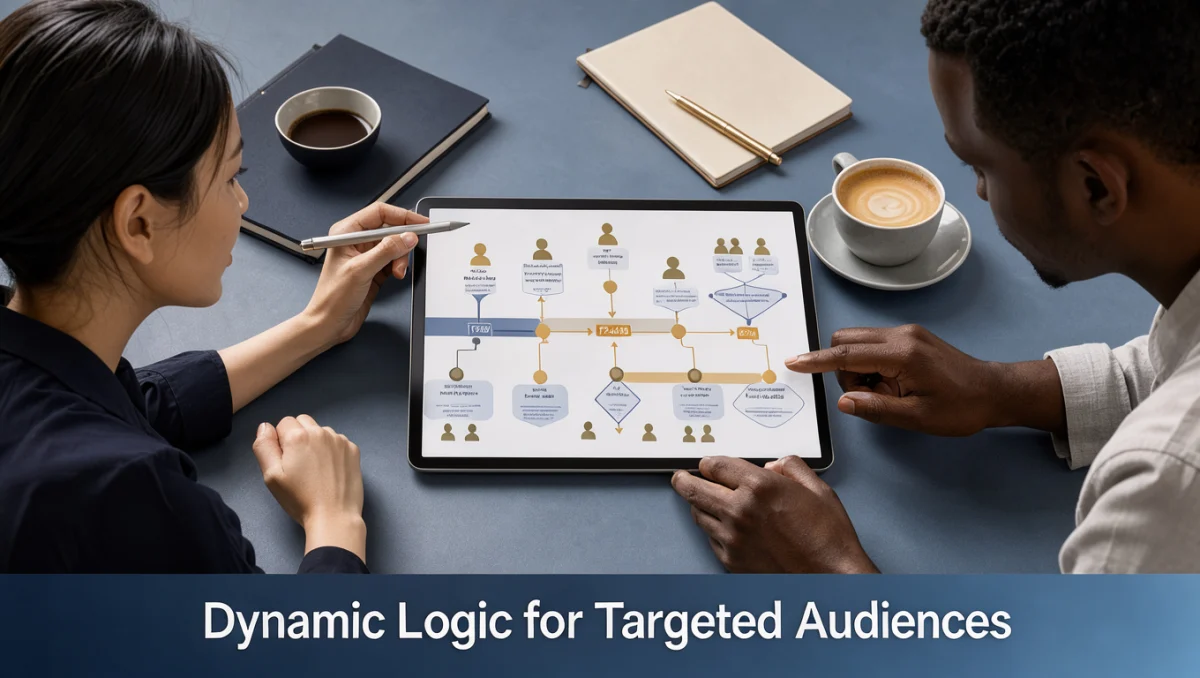
The platform's main strength is turning incoming behavioral data into live message triggers. Teams can build multi-step campaigns that respond directly to what users choose across different touchpoints.
Dynamic audience segmentation
Segmentation sits at the center of the platform. Rather than maintaining static lists that need manual imports and exports, administrators define rules using user attributes, custom events, and past message engagement. Once configured, contacts join or leave these groups automatically as their status changes.
Consider a learning app that builds a segment of users who logged in last week but never finished a video lesson. The moment someone completes that lesson, the platform removes them from the group, so they stop receiving reminders without anyone intervening.
Automated workflow builder
The campaign builder offers a visual canvas for designing multi-branch communication journeys. Users set conditional splits, time delays, and multi-channel sequences that depend on how contacts respond to earlier messages.
Teams can create fallback paths, pause sends during off-peak hours, or deliver an alternative notification when a contact does not open an initial email within a set number of days. This structure lets lifecycle marketers build onboarding and retention journeys that run continuously.
Data-driven message personalization
Personalization goes well beyond inserting a first name into a subject line. The system lets marketers place liquid syntax and event metadata directly into templates, showing items a person viewed, milestones reached, or account balances.
Dynamic templating requires careful data modeling so blank fields do not render when attributes are missing. Marketing teams should set default fallback values in templates to keep messages polished.
4. Ease of Use and Learning Curve
Customer.io is designed for analytical marketers and operations specialists who understand conditional logic. A simple broadcast is easy to set up, but complex behavioral workflows require a solid grasp of boolean operators, event schemas, and data types.
Teams without dedicated technical help may find the initial data setup challenging. Deciding which events flow from your application database into the platform takes careful planning between engineering and marketing. Once the data structures are in place, routine campaign creation follows predictable visual patterns.
Organizations upgrading their broader communication stack often connect modern customer service tools with messaging platforms so communication history stays unified across departments. Testing workflow logic in a sandbox environment before activating customer-facing campaigns remains standard practice.
5. Pros and Cons
Weighing trade-offs helps ensure a software investment matches your team's operational capacity and technical resources.
Strengths of the platform
- Dynamic cohort calculation updates audience membership automatically as customer actions occur.
- A visual campaign canvas supports multi-channel branching across email, mobile push, and webhooks.
- A flexible templating language supports conditional content blocks tailored to each account's activity.
- Event-based triggers avoid the delays that come with batch database synchronization.
Operational limitations
- Requires structured event modeling and developer collaboration during initial setup.
- The visual builder can become hard to manage when dozens of nested conditional paths are involved.
- Reporting emphasizes campaign delivery metrics over in-depth multi-touch attribution analysis.
6. Customer.io vs Similar Tools
Understanding where Customer.io sits relative to alternatives helps buyers pick the right tool for their level of messaging sophistication.
| Platform | Target Audience | Primary Positioning | Key Consideration |
|---|---|---|---|
| Customer.io | SaaS, mobile apps, digital services | Event-driven lifecycle automation | Requires structured data streams and event tracking |
| Klaviyo | Ecommerce and retail merchants | Transaction and catalog automation | Optimized for retail storefronts rather than custom web apps |
| Mailchimp | Small business owners and general creators | Traditional newsletters and contact management | Less suited to complex custom event-driven branching |
| ActiveCampaign | B2B services and small sales teams | Combined email marketing and pipeline tracking | Focuses on CRM-aligned deal progression rather than raw app event streams |
Klaviyo offers strong built-in alignment with ecommerce storefronts and purchase histories, which makes it a natural choice for physical retail brands. Mailchimp serves small businesses that want intuitive newsletter creation without data engineering. Customer.io stays focused on digital products that stream custom events from software environments.
7. Who Should Use Customer.io
Different business models get different amounts of value from an event-first messaging architecture.
Product-led software companies
SaaS businesses benefit a lot from tying activation milestones to communication journeys. Marketing teams can automate product tips when users stall during setup and send upgrade notices as usage approaches plan limits.
Mobile application publishers
Mobile teams that track discrete in-app achievements or session intervals can orchestrate targeted push alerts and re-engagement emails. Coordinated multi-channel delivery makes sure users receive notices on their preferred device.
Teams not recommended for this platform
Solo entrepreneurs, content creators, and small consulting firms that only need a monthly bulletin should consider simpler email tools. Running an event-driven automation system adds administrative overhead that is hard to justify without a custom digital product.
8. How to Choose the Right Plan
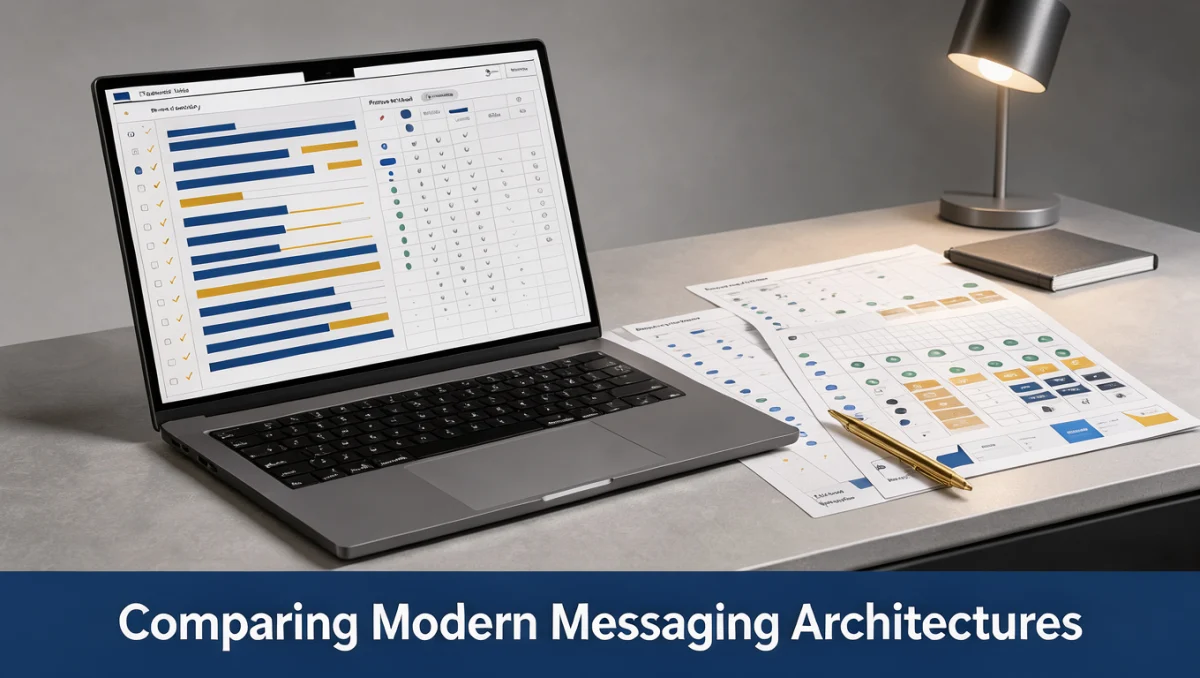
Subscription messaging platforms usually price by active profile count, email send volume, or feature access. Before choosing a tier, audit your current database and projected growth.
| What to check | Why it matters |
|---|---|
| Active vs inactive profile counting | Vendors calculate billable contacts differently, which affects monthly costs as your database grows. |
| Event ingestion limits | High-frequency user actions can trigger throttling if you exceed your plan cap. |
| Multi-channel delivery allotments | Push notifications and SMS often carry extra transmission charges or require separate plans. |
| Team seat governance | Verify how permissions and collaborative roles work across your marketing and engineering staff. |
To keep your budget predictable, confirm the exact inclusions on the official Customer.io pricing page before finalizing any contract.
9. FAQ About Customer.io Segment Users Workflows
How should teams structure customer events before building segments?
Map essential user milestones, such as account creation, feature activation, and subscription renewal, to standardized event names with consistent property keys. Clear naming conventions prevent duplicate data and simplify segmentation rules for marketing and engineering teams.
What is the difference between static contact lists and dynamic segments?
Static lists hold fixed sets of addresses updated through manual uploads or one-time imports. Dynamic segments evaluate user attributes and event streams automatically, adding or removing contacts as behavior changes.
What should teams budget for beyond the base subscription?
Factor in the developer hours needed to implement tracking, ongoing data pipeline maintenance, and possible third-party transactional fees for specialized channels such as SMS.
How can organizations avoid sending redundant messages during complex onboarding?
Use exit conditions and mutually exclusive segments inside automated workflows. Rules that remove contacts as soon as they reach a conversion goal keep communication clear and respectful.
10. Final Verdict on Customer.io Segment Users Capabilities
Customer.io offers a focused, capable messaging engine for companies built on modern event architectures. Its dynamic segmentation gives technical marketers precise control over who receives what, so messages match real customer actions instead of a generic calendar.
| Criterion | Score /10 | Reason |
|---|---|---|
| Features | 8.8/10 | Advanced behavioral triggers, flexible liquid templating, and dynamic audience evaluation. |
| Ease of Use | 7.2/10 | Steeper learning curve that requires understanding event attributes and conditional logic. |
| Pricing and Value | 7.5/10 | Competitive value for event-heavy businesses, though contact growth needs budget oversight. |
| Integrations | 7.8/10 | Connects cleanly through webhooks and database links, though setup takes developer time. |
| Audience Fit | 8.5/10 | Strong alignment with mobile apps, SaaS companies, and digital subscription services. |
| Support | 7.4/10 | Technical documentation is detailed, though direct help depends on account tier. |
| Competitive Position | 8.0/10 | Strong niche authority among product-led businesses compared with traditional marketing suites. |
Overall Best Coupon Blogs score: 7.9/10
For technology companies with organized product data and dedicated campaign managers, the platform provides the flexibility needed for responsive, personalized customer journeys. Simpler operations without event streams should look at traditional contact management tools.
Have questions about choosing the right marketing automation platform for your business? Send them to our editorial team at customer io segment users guidance on our site, or visit Customer Service resources to explore related tools.