bestcouponblogs may earn a commission when you buy through links on this page, at no extra cost to you. This does not affect our ratings.
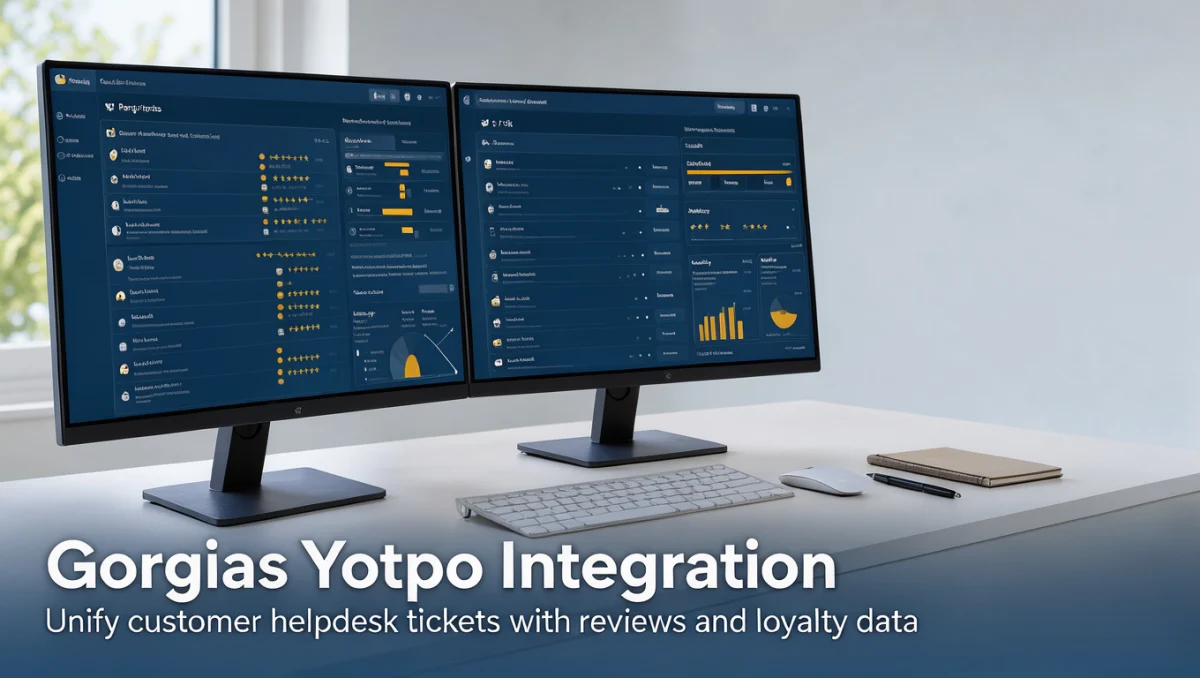
When shoppers write to support about a delayed parcel, a product concern or missing reward points, the agent needs context fast. The gorgias yotpo integration places review history and loyalty details inside the helpdesk, so responses are informed without bouncing between dashboards.
Many online brands run their helpdesk in one tool and their social proof and retention campaigns in another. Checking how these systems exchange data shows whether a growing merchant should link them. At bestcouponblogs we study these connections so merchants can make sound technology decisions.
Quick verdict: bestcouponblogs rates this setup 7.8/10. It fits online retail teams already running dedicated helpdesk and retention software who want sentiment context inside each ticket. It is less suited to solo sellers with light order volume who are happy with a simple shared inbox.
| Metric | Summary |
|---|---|
| bestcouponblogs score | 7.8/10 |
| Best for | Growing ecommerce merchants who want buyer reviews and loyalty context inside support tickets |
| Not ideal for | Very small shops with low inquiry volume that handle messages through a basic shared mailbox |
| Key strengths | Centralized customer context, unified feedback management, and cross-channel loyalty visibility |
| What to check before buying | Confirm ticket volume limits, account tiers, and seat requirements on official pricing pages |
1. How bestcouponblogs Assessed the Gorgias Yotpo Connection
This review covers what Gorgias is designed to do, who it serves and how it stacks up against similar tools. We apply seven bestcouponblogs criteria: features, ease of use, pricing and value, integrations, audience fit, support and competitive position. Plans, prices and limits shift frequently, so we flag what to verify on the official website before purchasing. This article was researched and drafted with AI assistance, then reviewed and edited by the bestcouponblogs Editorial Team.
2. Understanding Gorgias and Its Ideal Users
Gorgias is a customer support platform built specifically for ecommerce. It gathers order details, message threads and store data into one agent workspace. Rather than handling support as generic email chains, it organizes conversations around retail information such as fulfillment updates, shipment tracking and purchase records.
The software is aimed mainly at direct-to-consumer companies, scaling retail brands and multi-channel sellers who must answer questions quickly across email, chat and social platforms. Connecting outside apps extends that workspace, letting frontline staff see product feedback next to loyalty point balances.
To explore the wider helpdesk landscape, the Customer Service category offers resources that help teams judge whether a retail-focused helpdesk fits their retention plans.
3. Key Capabilities of the Integration
Linking helpdesk tickets with customer marketing software brings buyer sentiment into everyday support work. Instead of treating reviews and help requests as separate events, agents can immediately see how shoppers feel about the brand.
3.1. Unified Review and Ticket Visibility
When customers leave feedback through external review widgets, low ratings or negative comments can automatically generate support tickets in the helpdesk queue. Representatives can then contact unhappy shoppers before negative sentiment damages long-term loyalty.
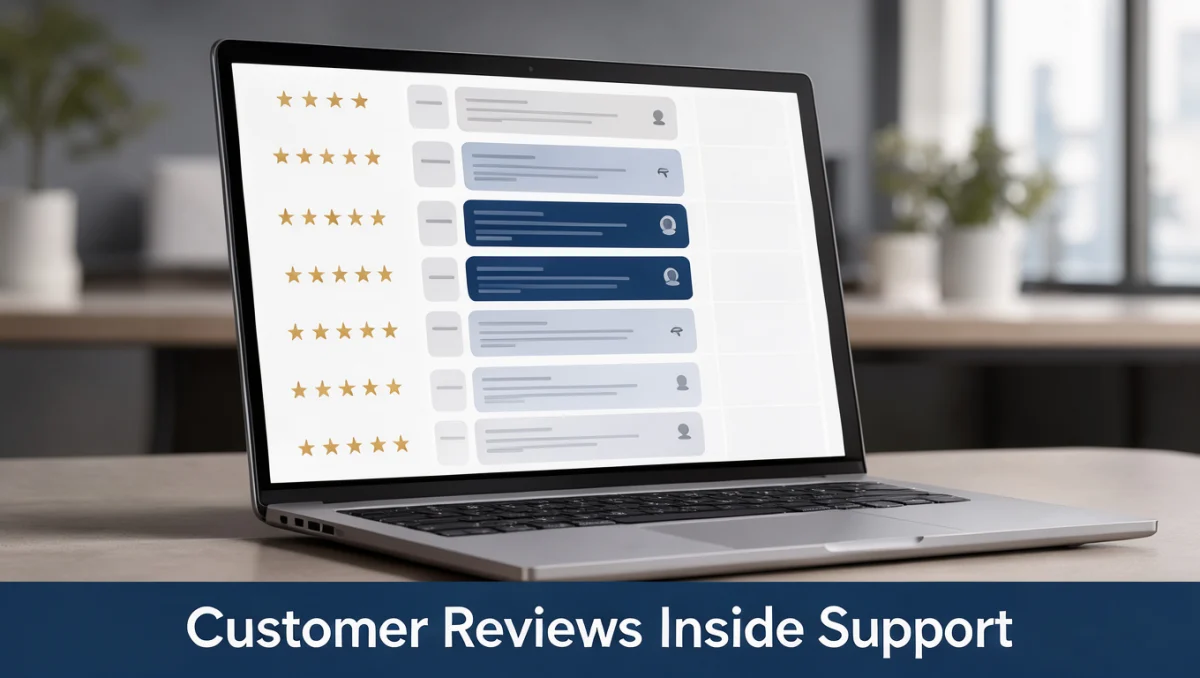
Agents can read full review text, star ratings and product titles without leaving the ticket. Seeing past ratings next to an active conversation helps teams respond empathetically to defects or shipping delays.
3.2. Loyalty and Reward Point Context
Shoppers often contact support to ask about reward balances, VIP status or the rules for redeeming promotional codes. Through the gorgias yotpo integration, staff can view current point totals, VIP tiers and referral history in the customer sidebar.
Direct access to loyalty data lets agents offer goodwill points to frustrated buyers or explain promotional balances accurately during live chats. This reduces the back-and-forth needed to resolve reward questions.
3.3. Macro Automation and Response Templates
Support teams rely on templated replies, commonly called macros, to answer repetitive questions consistently. Agents can insert dynamic variables that automatically fill in loyalty point balances or review status.
By pulling accurate customer data into outgoing messages, agents keep replies personal while shortening response times during peak shopping periods. Automatic placeholders also reduce mistakes when quoting account balances or reward thresholds.
4. Ease of Use and Learning Curve
Connecting ecommerce applications typically follows guided authorization steps, where administrators link each account through settings. Once permissions are granted, the relevant data fields appear in the ticket sidebar where agents already review order history.
For frontline agents the learning curve is fairly gentle, since external information sits inside familiar profile panels. Staff do not need to learn new menus or open extra browser tabs to check a customer's loyalty status.
Configuring automated ticket rules, tags and escalation policies does require careful planning from managers. Administrators should define which star ratings trigger high-priority alerts and how agents should reply to negative public feedback.
5. Pros and Cons
Weighing both operational benefits and practical limits helps merchants decide whether this helpdesk connection suits their daily workflow.
5.1. Advantages
- Gives immediate visibility into buyer ratings and review comments inside the active ticket.
- Shows loyalty point balances and VIP tier designations without logging into separate marketing dashboards.
- Enables proactive outreach to dissatisfied shoppers who leave negative product ratings online.
- Supports personalized replies through dynamic data variables placed in pre-formatted templates.
- Centralizes communication history from several ecommerce channels in one operational interface.
5.2. Limitations and Considerations
- Requires active accounts on two independent platforms, adding to software management overhead.
- Rising ticket volume can increase helpdesk costs during seasonal sales peaks.
- Data display customization depends on the default widget layouts supplied by the connector.
- Teams need internal training so agents know how to use the extra sidebar information effectively.
6. How Gorgias Compares With Similar Support Platforms
Comparing Gorgias with established alternatives helps buyers choose the right customer service framework for their business model. Gorgias concentrates on deep ecommerce platform connectivity, while other solutions serve broader organizational structures.
6.1. Zendesk
Zendesk is an enterprise-grade service solution used across industries, from technology providers to healthcare networks. It excels at complex routing rules, multi-department ticketing and extensive customization for large agent teams. Ecommerce merchants, however, often find that building deep retail integrations takes more administrative setup than with a retail-focused helpdesk.
6.2. Freshdesk
Freshdesk offers a flexible ticketing platform suited to small and mid-sized businesses that want straightforward multi-channel inbox management. It provides reliable ticket tracking, knowledge base tools and collaborative assignments at accessible entry prices. It connects with major online shopping carts, but merchants who want instant retail sidebar context may need to review app marketplace setups carefully.
6.3. Help Scout
Help Scout emphasizes shared inbox simplicity and collaborative communication that keeps support feeling personal. It appeals to service businesses, digital agencies and boutique brands that prefer clean email layouts over metric-heavy retail dashboards. Retailers who need automated order cancellations or real-time loyalty adjustments inside tickets may find its focused design less suited to high-volume retail work.
7. Who Should Use the Gorgias Yotpo Integration
Businesses at different stages get varying value from linking customer feedback data to their helpdesk.
7.1. Growing Direct-to-Consumer Brands
Online stores handling dozens or hundreds of inquiries each day gain a lot from consolidated shopper context. Agents can prioritize high-value VIP customers and answer delivery questions while seeing recent product ratings.
7.2. Multi-Agent Ecommerce Support Teams
Organizations with several support representatives need standard workflows to keep service quality consistent. Giving agents direct loyalty data and prebuilt macros prevents confusion about promotional points and rewards.
7.3. Merchants Focused on Customer Retention
Retailers investing in loyalty programs and review generation know that post-purchase satisfaction drives repeat orders. Turning negative reviews into proactive support tickets helps recover at-risk relationships.
7.4. Who Should Consider Alternatives
Solo entrepreneurs, side-project owners and early-stage stores handling only a few orders a week may find running two specialized platforms unnecessary. A standard unified mailbox avoids extra software overhead while volume stays low.
8. Choosing the Right Subscription Setup
Because providers frequently change subscription tiers, ticket allowances and feature distribution, prospective buyers should check current requirements directly before committing.
| What to Check on Official Pages | Why It Matters for Your Budget |
|---|---|
| Ticket volume allowances | Exceeding monthly ticket allowances can trigger overage charges or force a tier upgrade during peak seasons. |
| Seat and user limits | Some platforms charge per user seat while others charge by ticket volume, which directly affects the cost of growing a team. |
| Add-on integration requirements | Confirm on official plan comparison pages whether third-party connectors need a higher tier or a specialized add-on. |
| Automated response rules | Advanced automation and conditional macro variables may be limited to upper subscription tiers. |
| Multi-store connectivity | Merchants running several storefronts should confirm whether one subscription covers multiple domains or each needs its own setup. |
9. Frequently Asked Questions
9.1. How does connecting review data help customer service teams?
Linking review information to support queues shows representatives how a shopper feels before they reply. When an unhappy buyer posts a critical rating, the team can view the customer history, reach out proactively and address the underlying complaint before frustration leads to churn.
9.2. What should merchants evaluate before connecting loyalty data to support desks?
Merchants should review data privacy guidelines, make sure staff understand how to read point balances, and set clear rules for when agents may adjust rewards. Defined procedures prevent conflicting promises about point redemption during live conversations.
9.3. Why do support teams monitor loyalty tiers inside ticketing systems?
Seeing loyalty tiers in a ticket lets agents recognize high-value repeat shoppers immediately. VIP status can trigger appropriate escalation rules and personalized goodwill gestures that reinforce long-term commitment.
9.4. What drives total ownership costs when using multiple ecommerce tools?
Total cost is mainly shaped by recurring subscription fees, per-ticket or per-user pricing and seasonal volume spikes that push accounts into higher brackets. Reviewing plan limits on official vendor sites keeps software costs aligned with store revenue growth.
10. Final Verdict
Connecting Gorgias with Yotpo gives retail support teams useful customer context that bridges post-purchase marketing and active problem solving. For busy online merchants, seeing product reviews and loyalty status inside the ticket streamlines agent workflows and makes replies more personal.
| Criterion | Score /10 | Reason |
|---|---|---|
| Features | 8.5/10 | Centralizes review alerts, loyalty point balances and customer history inside the ticket sidebar. |
| Ease of Use | 7.5/10 | Agents adapt quickly to sidebar widgets, though administrators must carefully structure rules for review-generated tickets. |
| Pricing and Value | 7.0/10 | Needs ongoing subscriptions across several tools, so cost alignment depends on how efficiently tickets are handled each month. |
| Integrations | 8.0/10 | Connects key retail data smoothly between customer service and marketing suites. |
| Audience Fit | 8.5/10 | Tailored to growing direct-to-consumer brands running on modern shopping carts. |
| Support | 7.0/10 | Users rely on vendor documentation and standard support channels across both independent providers. |
| Competitive Position | 8.0/10 | Delivers specialized ecommerce context that general-purpose helpdesks often need extensive manual setup to match. |
Overall score: 7.8/10
For reliable software evaluations and practical technology guides, Best Coupon Blogs provides structured assessments that help modern businesses pick the right digital tools. Have questions about setting up your customer support workflow? Contact our editorial team or reach out to our analysts to learn more about optimizing your retail software stack.