Best Coupon Blogs may earn a commission when you buy through links on this page, at no extra cost to you. This does not affect our ratings.
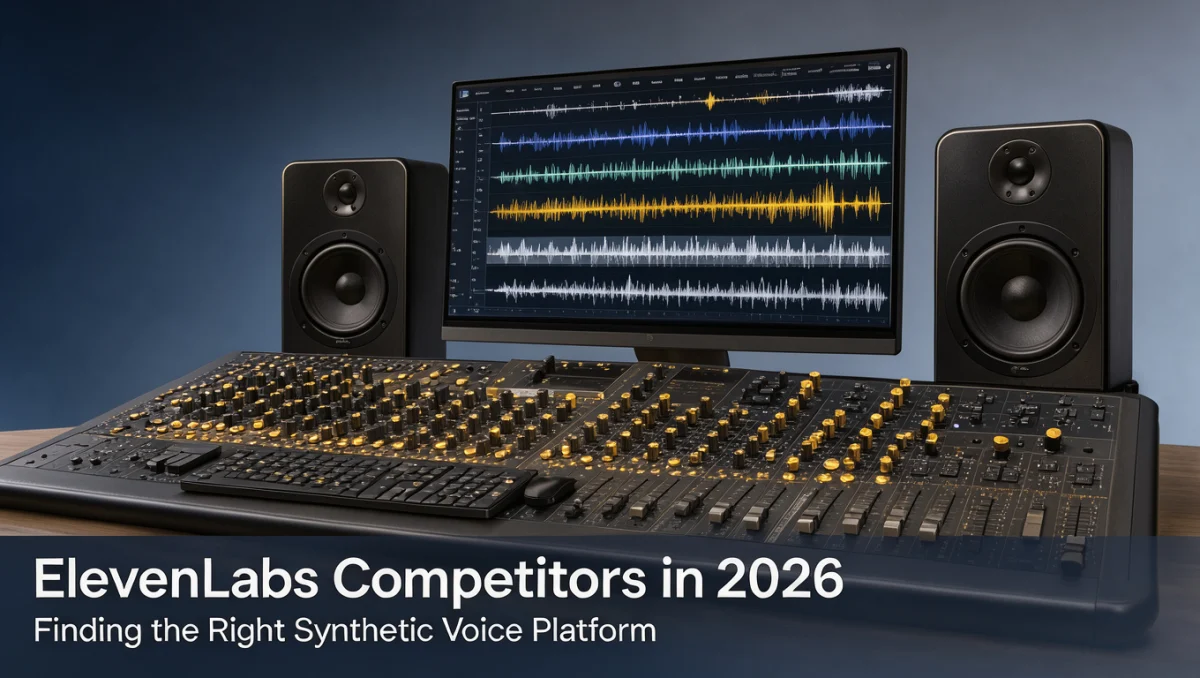
Teams looking for alternatives to ElevenLabs are usually weighing voice quality against workflow fit, licensing terms, and cost. ElevenLabs is known for synthetic voice generation, speech synthesis, and voice cloning, but different projects call for different audio tools. Some creators need a visual studio for narration, while others need programmatic speech for applications.
Knowing how the wider software category is organized makes it easier to match a tool to your production pipeline and commercial needs. At Best Coupon Blogs, we review software categories to show what each option handles well and where a different solution is a better operational fit.
Quick verdict: Across the leading options, the voice synthesis category earns an overall score of 7.9/10. It suits content creators, audio producers, and developers who want synthetic speech tools. It is less suitable for teams that expect fully autonomous audio engineering with no editorial oversight.
| Evaluation Metric | Assessment Summary |
|---|---|
| bestcouponblogs score | 7.9/10 |
| Best for | Creators needing voice generation, narrative audio, and developer speech tools |
| Not ideal for | Organizations wanting end-to-end studio sound engineering without manual supervision |
| Key strengths | Voice synthesis capabilities, expressive generation, and extensive developer access |
| What to check before buying | Commercial terms, voice duplication policies, and usage tier conditions on official sites |
1. How bestcouponblogs Reviewed ElevenLabs Competitors
This review looks at what ElevenLabs is built to do, who it serves, and how it compares with similar tools. We assess each option against seven bestcouponblogs criteria: features, ease of use, pricing and value, integrations, audience fit, support, and competitive position. Plans, prices, and limits change often, so we point out what to confirm on each official website before buying. This article was researched and drafted with the help of AI tools, then reviewed and edited by the bestcouponblogs Editorial Team.
2. Why Teams Look for ElevenLabs Alternatives
Voice generation tools serve very different production environments, from studio narrations to automated software notifications. When teams search across the broader artificial intelligence audio landscape, differences in interface design, collaboration features, and workflow priorities often drive the final decision.
Audio synthesis software often splits into studio presentation tools and developer infrastructure. Some production teams prefer an all-in-one timeline editor with visual media synchronization, while others want programmatic endpoints that process text requests inside their own applications. Reviewing how a platform balances its editor against its developer tooling clarifies whether it fits the team's daily process.
Commercial usage rights and synthetic voice management also drive comparisons. Speech generation platforms handle vocal asset ownership, data privacy, and usage authorizations through distinct service terms. Buyers should confirm on official vendor websites how audio rights, licensing clearance, and account permissions work before committing project assets.
3. Comparison Overview of Leading Alternatives
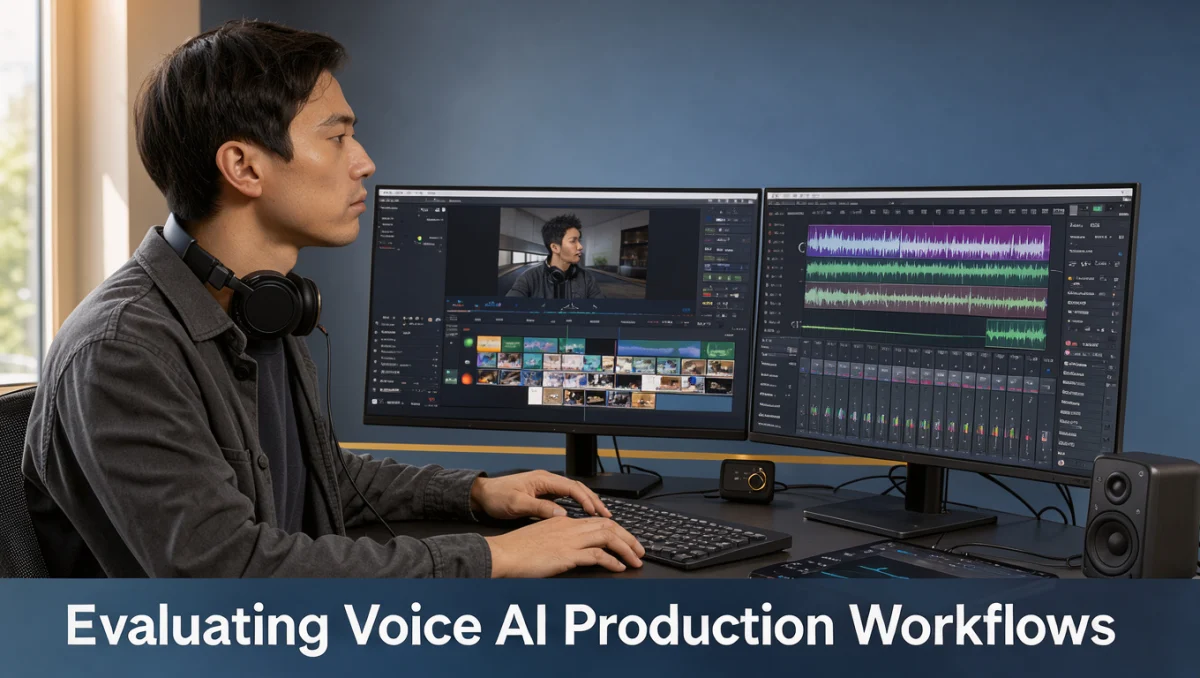
Choosing an audio platform means evaluating each vendor's core positioning, target audience, and main functional emphasis. The table below outlines major alternatives and their practical focus areas.
| Tool | Best For | Core Strength |
|---|---|---|
| Murf AI | Voiceover creators seeking presentation and slide synchronization | Studio workspace pairing narration with visual timing |
| PlayHT | Publishers needing conversational speech and audio distribution | Extensive voice catalogs with reading and streaming delivery |
| Speechify | Auditory readers and individuals prioritizing listening convenience | Text narration focused on reading comprehension and personal productivity |
| Resemble AI | Enterprise teams prioritizing voice customization and deep security verification | Synthetic vocal deployment combined with audio watermarking |
3.1. Murf AI
Murf AI focuses on voiceover creation for business presentations, marketing assets, and instructional videos. The platform emphasizes an integrated visual studio where audio clips align directly with slides, video tracks, and background music.
This platform suits corporate communications specialists, instructional designers, and marketing staff who prefer a visual timeline over standalone audio rendering. Consider Murf AI when a project requires combining narration with visual media in one workspace. Confirm on the official Murf AI website how video export and team seat collaboration are handled.
3.2. PlayHT
PlayHT builds its software around conversational voice generation, audio article publishing, and scalable text-to-speech rendering. It targets online publishers, podcast distributors, and webmasters who want to turn written content into spoken audio files.
The platform fits digital content teams that distribute ongoing spoken material through audio embeds or standalone sound files. Evaluate PlayHT when article narration and a broad voice selection are the main goals. Check the official PlayHT documentation for character conversion rules and developer interface parameters.
3.3. Speechify
Speechify focuses mainly on text reading and listening comprehension across personal and academic materials. It turns articles, digital documents, and study materials into clear spoken audio for personal use.
Students, researchers, and busy professionals who prefer listening to screen reading benefit most from this setup. Consider Speechify when your main use is personal document reading rather than creative studio production. Verify on the official Speechify site how document imports and cross-device listening sync work.
3.4. Resemble AI
Resemble AI centers its platform on synthetic speech development, dynamic speech adjustment, and enterprise audio integrity. The tool pairs programmatic voice generation with synthetic detection and audio watermarking controls.
This software targets game developers, enterprise engineers, and teams building automated customer experiences that need specialized audio deployments. Consider Resemble AI when programmatic delivery and vocal security safeguards are strict institutional requirements. Confirm on the official Resemble AI website how licensing verification and dedicated server configurations work.
4. How to Choose the Right Voice Platform

Choosing an alternative speech platform requires an objective look at technical needs, team workflow, and long-term operating costs. Speech synthesis tools differ fundamentally in how users interact with them, whether through visual timelines, simple text boxes, or code interfaces.
Production volume is a central factor. Voice generation platforms commonly price usage by audio duration, generated characters, or synthesis credits. Teams should compare their expected monthly content volume against each official vendor's subscription limits to avoid unexpected overage fees.
Collaboration needs are another key difference. Solo creators need minimal governance, while corporate creative teams need role-based access, shared project libraries, and administrative oversight. Reviewing each vendor's documentation on multi-user licensing helps ensure smooth adoption across an organization.
| Selection Factor | Why It Matters | Where to Confirm |
|---|---|---|
| Licensing scope | Commercial rights dictate whether audio can be monetized in broadcasts | Official vendor terms of service |
| Output format versatility | File types determine compatibility with external video editing suites | Official technical documentation |
| Collaboration structure | Shared workspaces prevent duplicate asset generation across departments | Official plan comparison tables |
| Developer capabilities | Programmatic access allows internal applications to trigger speech generation | Official vendor developer portals |
5. Frequently Asked Questions
What determines the total ongoing cost of voice generation software?
Ongoing cost depends mainly on character counts, generated audio minutes, and concurrent processing demand. Many platforms set tiered thresholds for speech processing, and extra charges may apply for advanced voice customization or extended licensing. Compare your expected generation volume against official pricing documentation before subscribing.
How should organizations confirm commercial ownership of generated audio?
Review the terms of service on the vendor's official website to confirm intellectual property ownership. Commercial clearance varies across basic, professional, and enterprise tiers. Check whether monetization requires specialized licenses so your business avoids copyright complications.
When should a team choose a timeline editor over an API-centric platform?
A timeline editor suits creators producing standalone videos, slide presentations, or podcasts that need direct visual synchronization. Programmatic endpoints benefit software engineers who integrate automated speech into external applications. Matching the interface to your team's technical skills prevents unnecessary friction.
Why does voice duplication policy matter before selecting a platform?
Voice duplication policies govern the ethical and legal framework for creating custom voice replicas. Vendors enforce different verification steps, consent declarations, and security guidelines for synthetic vocal models. Checking these requirements on the vendor site helps ensure compliance with internal brand and legal standards.
6. Final Verdict on ElevenLabs Competitors
The synthetic voice market shows that ElevenLabs competitors each offer distinct strengths in visual editing, audio reading, enterprise security, and conversational delivery. The right platform depends on matching your core operating model to the vendor's main software focus.
| Criterion | Score /10 | Reason |
|---|---|---|
| Features | 8.5/10 | Platforms offer diverse voice customization, synthesis tools, and editing controls. |
| Ease of Use | 8.0/10 | Most alternatives provide clean interfaces for basic text-to-speech production. |
| Pricing and Value | 7.0/10 | Buyers must inspect usage quotas and generation limits on official pages. |
| Integrations | 7.5/10 | Platform connectivity varies between standalone creative apps and raw developer endpoints. |
| Audience Fit | 8.5/10 | Vendors clearly delineate between solo creators, business teams, and developers. |
| Support | 7.0/10 | Assistance models differ by tier, requiring verification before purchase. |
| Competitive Position | 8.5/10 | The category offers strong differentiation across studio production and programmatic synthesis. |
Overall bestcouponblogs Score: 7.9/10
For independent creators, tools that combine visual media with speech synthesis reduce external editing work. For engineers building conversational products, prioritizing developer documentation and API stability leads to better long-term reliability. Enterprise teams should focus on audio governance, security watermarks, and clear commercial licensing.
Readers with questions about synthetic speech platforms or category comparisons can reach our team through Best Coupon Blogs or connect with bestcouponblogs on LinkedIn.