bestcouponblogs may earn a commission when you buy through links on this page, at no extra cost to you. This does not affect our ratings.
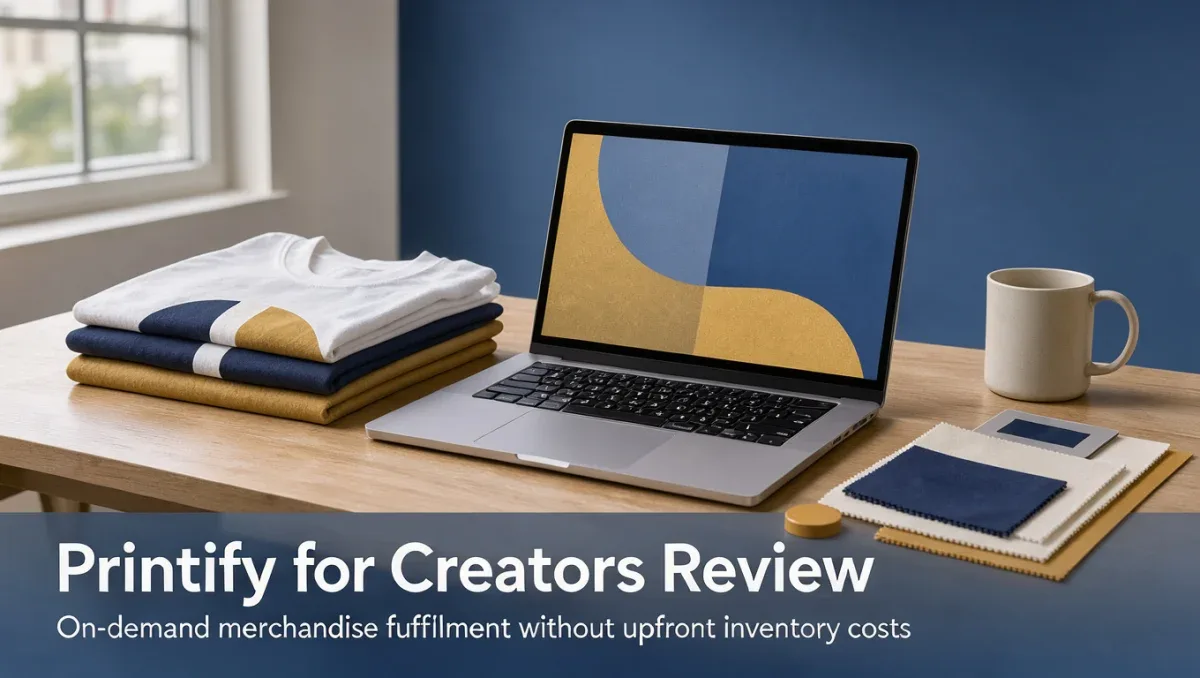
Selling custom merchandise without buying stock is now realistic for independent artists, podcasters and online publishers. Our team looked at how printify for creators handles design, production and shipping, so you can judge whether it fits your 2026 plans.
Getting physical products to customers depends on reliable production and a catalog you can manage without friction. Anyone comparing modern E-commerce tools should understand how third-party suppliers fulfill orders, what admin work follows, and which costs shape your margins.
Quick verdict: Printify earns an overall score of 8.4/10 from bestcouponblogs. It suits independent artists, content publishers and online brands who want custom goods without storing inventory. It is a weaker match for businesses that need in-house manufacturing or one facility controlling quality across every product.
| Metric | Summary Details |
|---|---|
| bestcouponblogs score | 8.4/10 |
| Best for | Independent creators, digital illustrators, and community brands wanting distributed fulfillment |
| Not ideal for | Brands demanding centralized single-facility quality control or proprietary factory equipment |
| Key strengths | Distributed print partner selection, extensive catalog of blank items, automated order routing |
| What to check before buying | Sample manufacturing standards, regional shipping costs, and supplier return terms |
How We Assessed the Platform
We reviewed what the platform is built to do, who it serves and how it stacks up against similar tools. Our seven criteria were features, ease of use, pricing and value, integrations, audience fit, support and competitive position. Plans and prices shift frequently, so confirm current details on the official website before committing. This article was researched and drafted with AI assistance, then reviewed and edited by the bestcouponblogs Editorial Team.
What Printify Is and Who Should Use It
Printify is a print-on-demand platform linking merchants with independent printing facilities worldwide. It does not own mills or embroidery equipment. Instead, it acts as a digital middle layer, sending customer orders to partner factories that print, package and ship each item.
The service is aimed at graphic designers, social media personalities, podcasters and online shops that want to earn from their brand through apparel, homeware and accessories. Using it removes the upfront cost of bulk production.
- Independent illustrators who want their designs on physical products
- Social publishers who want official community merchandise without warehousing
- Boutique store owners testing new graphic concepts in live markets
- Educators who want branded products for student communities
What Printify Helps You Do
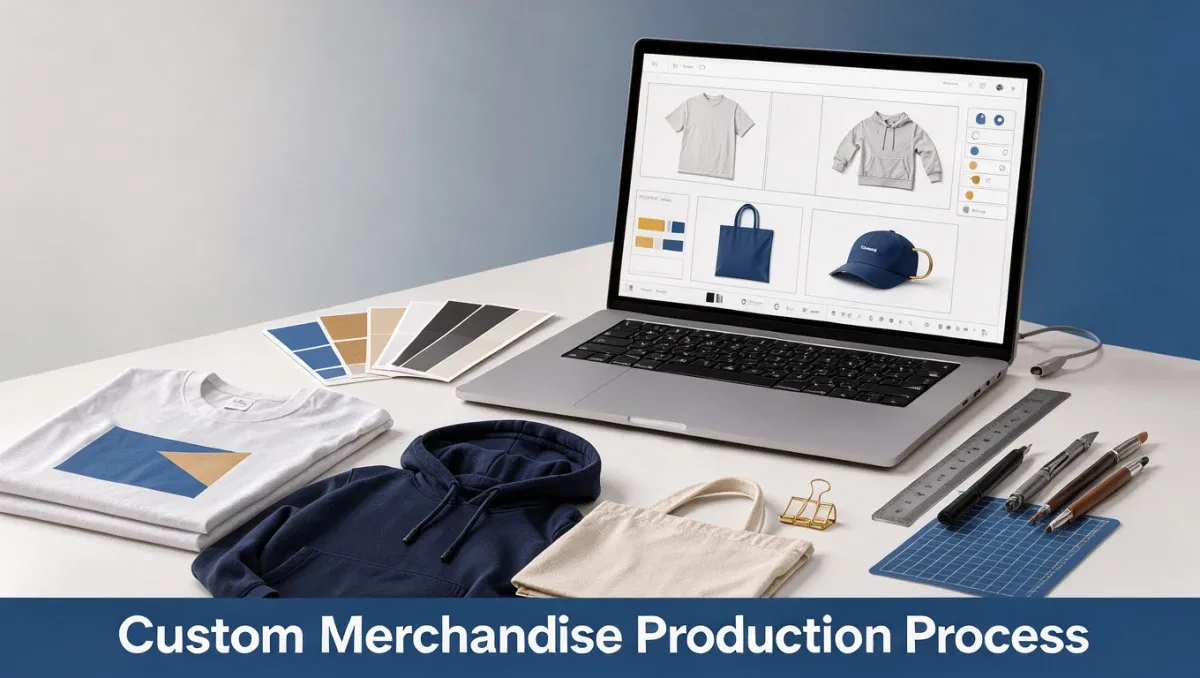
The software combines several fulfillment steps into one workflow. Sellers use it to design products, choose manufacturing sources and sync listings across sales channels.
Designing Custom Merchandise
You can place original artwork onto blank templates such as shirts, mugs, posters and phone cases. Creators preview placement, check print area dimensions and generate mockups for their storefront.
- Position artwork on various blank apparel items and decorative accessories
- Generate composite image previews for digital storefront marketing
- Check resolution warnings before moving items toward production
Choosing Print Providers
Rather than relying on one vertically integrated printer, the system gives access to a network of independent facilities. You select partners based on location, estimated fulfillment speed and base product cost.
- Compare partners by location to reduce transit delays
- Review each partner's fulfillment guidelines and color reproduction methods
- Switch suppliers when a facility runs short on specific blank colors
Publishing Your Catalog
After mapping designs onto blanks, you publish listings to your external store. The software syncs titles, descriptions, mockup images and retail prices.
- Push product descriptions, images and price settings to sales platforms
- Manage multiple design variants across apparel sizes and color options
- Update artwork across linked listings when designs change
Automated Order Routing
When a customer buys through a connected channel, the order passes to the platform. It charges you the production cost and sends instructions directly to the assigned print partner.
- Forward customer address details and product specifications automatically
- Monitor production milestones from print submission to final packaging
- Send tracking information back to your storefront on dispatch
Ease of Use and Learning Curve
Print-on-demand carries moderate complexity because you manage both digital files and physical supply chains. Beginners learn template placement quickly, but mastering print resolution and color reproduction takes practice.
Readers can rely on Best Coupon Blogs for unbiased breakdowns of online business software. Managing supply variables takes diligence, especially when coordinating items from several facilities.
- Initial setup requires standard vector or high-resolution graphic files
- Understanding print variance across fabric blends requires ordering physical samples
- Supplier stock changes need regular catalog checks
- Returns need clear policies, since custom items are made to order
A Two-Week Evaluation Plan

Testing an on-demand system well means checking file quality, production timing and store syncing before opening to paying customers. Follow this roadmap during your preliminary period.
- Days 1–3: Set up your account and test artwork. Upload primary vector graphics, check mockup accuracy and inspect print boundaries across three different blank product types.
- Days 4–7: Order samples and compare providers. Pick two facilities offering comparable apparel blanks, order a sample from each, and log submission times to gauge routing responsiveness.
- Days 8–14: Inspect products, connect your store and audit policies. Check seam stitching, confirm print opacity after washing, link a test storefront, and draft return guidelines based on confirmed supplier terms.
Where Printify Shines and Where It Falls Short
The platform is convenient, but its decentralized model brings trade-offs. The table below shows where it works well and where challenges arise.
| Area | Shines when | May fall short when |
|---|---|---|
| Catalog selection | Merchants want broad variety across apparel, accessories, and home items | Merchants require bespoke garment construction or specialized fabric sourcing |
| Fulfillment flexibility | Target customers are distributed across different geographical territories | A brand requires every item in a mixed order shipped inside a single consolidated box |
| Cost management | Publishing experimental merchandise without buying inventory upfront | Profit margins face pressure from individual third-party shipping fees across suppliers |
| Packaging branding | Standard white-label shipping slips meet customer presentation needs | Stores require customized branded boxes, tissue wrapping, or custom marketing inserts |
How Printify Compares With Similar Tools
Knowing how each platform is positioned helps you match a manufacturing setup to your brand. Print-on-demand services differ in vertical integration, supplier curation and target audience.
| Tool | Best for | Core focus |
|---|---|---|
| Printify | Independent creators seeking broad supplier choice and competitive item costs | Decentralized third-party print provider network management |
| Printful | Brands prioritizing uniform quality control and in-house fulfillment | Vertically integrated printing, warehousing, and embroidery facilities |
| Gelato | Global retailers requiring localized printing across regional commercial hubs | Worldwide distributed print partner routing with environmental tracking |
| Spring | Social influencers selling directly to fans without building external stores | Integrated social storefront hosting and creator audience monetization |
Who Should Use Printify
Suitability depends on your goals, the technical time you can invest and your quality expectations. The matrix below shows which profiles fit decentralized on-demand printing.
| User Group | Suitability | Strategic Recommendation |
|---|---|---|
| Freelance artists and illustrators | High | Ideal for testing illustrations across apparel and prints without inventory investment |
| Content creators and podcasters | High | Well suited for community branded goods where varied merchandise choices matter |
| Small boutique retailers | Moderate | Effective for seasonal collections, though mixed-supplier shipping requires careful planning |
| Corporate marketing teams | Moderate | Viable for one-off staff event merchandise; confirm bulk delivery schedules in advance |
| Enterprise fashion brands | Low | Not recommended; custom garment cuts and bespoke woven labeling require dedicated factories |
Pricing at a Glance
The platform combines catalog access with optional subscription tiers that can lower base costs. Check these financial factors on the official pricing page before committing money.
- Compare base item costs with subscription savings. Subscriptions often discount manufacturing costs in exchange for recurring fees, so estimate your monthly sales volume to find your break-even point.
- Examine regional fulfillment and shipping charges. Because facilities use different carriers, shipping costs vary with where items are made and where buyers live.
- Review processing and transaction policies. Make sure your model accommodates payment timing, sales tax collection and currency conversion on international sales.
Frequently Asked Questions
Which creative business models fit Printify best?
Designers, community leaders and digital publishers with established graphics benefit most. The model lets creators gauge demand for graphic apparel or home items without pre-funding stock or handling domestic shipping.
What should creators prepare before launching merchandise?
Prepare high-resolution graphic files in transparent digital formats, calibrated color profiles and clear brand guidelines. Store owners also need written policies covering production timelines, shipping expectations and how damaged items are handled.
How should store owners evaluate print partner reliability?
Order physical samples to your own address. Inspect print saturation, edge sharpness, fabric drape and label placement, and log real shipping times from each facility before selling to customers.
How can creators manage customer return requests?
Because custom items are produced individually, platforms generally do not accept returns for wrong sizing or personal preference. Publish clear sizing charts on product pages and set aside a contingency budget to replace damaged or misprinted orders.
Final Verdict
Printify offers a flexible, low-inventory way to turn digital artwork into physical products. Its decentralized supplier model provides competitive base prices and wide catalog variety, making it appealing for artists and influencers launching community merchandise. Verify supplier performance through hands-on sampling to keep customers satisfied.
| Criterion | Score /10 | Reason |
|---|---|---|
| Features | 8.4/10 | Strong catalog diversity, accessible mockup generator, and multi-partner routing logic |
| Ease of Use | 8.8/10 | Intuitive design placement workflow and direct digital storefront synchronization |
| Pricing and Value | Confirm before buying | Confirm base manufacturing costs and potential subscription discounts on the official website |
| Integrations | Confirm before buying | Confirm direct sales channel integrations on the official provider compatibility directory |
| Audience Fit | 8.7/10 | Well matched to digital creators, artists, and growing community storefront operations |
| Support | Confirm before buying | Confirm available support channels and inquiry turnaround times on the official help center |
| Competitive Position | 7.7/10 | Distinct third-party network model, though decentralization introduces quality variability |
| Overall score | 8.4/10 | Calculated average of scored criteria reflecting overall software performance and utility |
Have a question about choosing software? Send it to the bestcouponblogs team through our contact page or follow bestcouponblogs on LinkedIn for new reviews and comparisons.