bestcouponblogs may earn a commission when you buy through links on this page, at no extra cost to you. This does not affect our ratings.
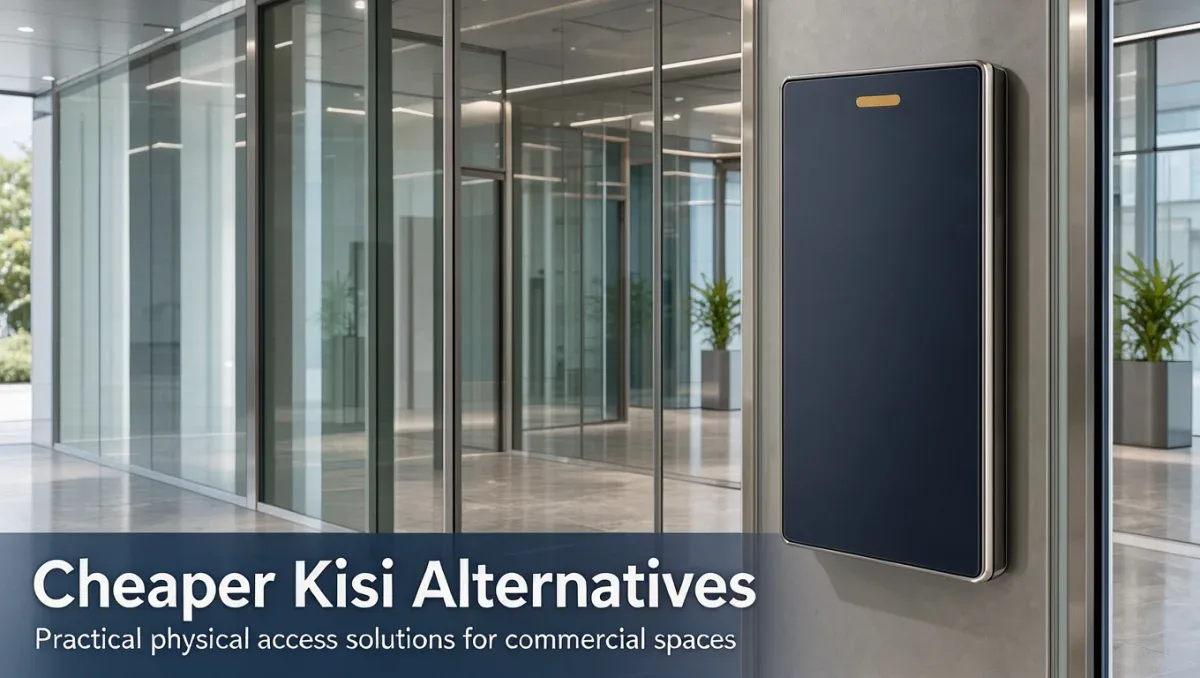
Organizations searching for cheaper kisi alternatives usually want to secure doors and gates without letting software subscriptions and reader hardware drain the facilities budget. Choosing a platform means weighing reader equipment, credential formats, and per-user licensing against the day-to-day security a workplace actually needs. Reviewing specialized Office Software helps facility managers match their building size to the right infrastructure before signing a long contract.
Our review at Best Coupon Blogs centers on real deployment factors instead of sales claims. Kisi suits teams that want smartphone credentials and automated door controllers, but high upfront hardware costs and recurring user-based fees often push growing companies to look at other established vendors.
Quick answer: Buyers comparing alternatives should evaluate Brivo for consolidated multi-facility security management, Openpath for varied mobile credential setups, and PDK for flexible controller modularity. Each option involves trade-offs in controller compatibility and reader requirements that buyers should confirm on vendor pricing pages.
| Alternative | Switch to it if | Main trade-off |
|---|---|---|
| Brivo | Your business manages multiple physical buildings alongside video monitoring | Complex administrative setup that requires specialized integrator configuration |
| Openpath | Your focus is purely on varied mobile credential access methods | Proprietary hardware requirements for reader and controller replacements |
| PDK | Your priority is modular field hardware for flexible door additions | Fewer built-in corporate directory sync options across standard deployments |
1. How the bestcouponblogs Team Built This Guide
This guide pairs the features each software product is designed to deliver with the bestcouponblogs buying framework, so you can choose what fits your business. Plans, prices, and limits change often, so we flag what to confirm on each official website before purchasing. This article was researched and drafted with AI tools, then reviewed and edited by the bestcouponblogs Editorial Team.
2. Why Buyers Look Beyond Kisi
Access control buyers often reassess their setup when recurring subscription charges grow faster than their physical security needs. Commercial systems bundle controller licensing, digital passes, and administration features into ongoing billing tiers, so credential costs can build up quickly as headcount rises across physical doors.
Hardware lock-in is another frequent concern for expanding teams. Many cloud platforms depend on proprietary control boards that do not easily connect to legacy perimeter wiring. Buyers focused on budget flexibility often seek platforms that accept open controller options or reuse existing cabling to keep installation charges under control.
- Recurring per-door and per-user subscription fees that multiply across satellite offices
- Initial reader and control hardware costs that demand substantial upfront capital
- Integrator licensing models that add administrative markups for minor door changes
- Desire for broader legacy wiring compatibility to avoid running new physical cables
3. Signs It Is Time to Switch
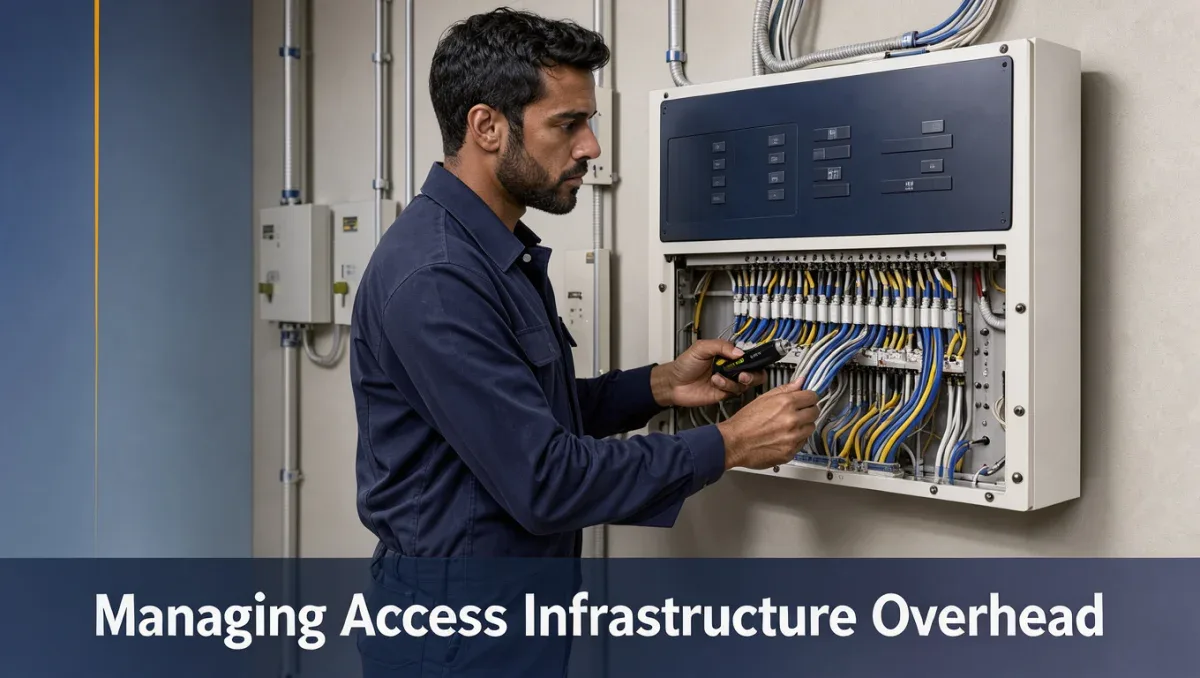
The right moment to move away from an existing physical security system depends on building leases, user count milestones, and wiring constraints. The table below outlines the main triggers that prompt facility administrators to evaluate replacement software.
| Reason you want to switch | Type of alternative to consider | What to check first |
|---|---|---|
| Per-user credential fees exceed your facility budget | Platforms charging strictly per door controller rather than per employee credential | Confirm credential tier pricing on the official vendor website |
| Desire to preserve installed door wiring and panels | Systems compatible with open standard hardware boards | Verify existing panel board models against the platform hardware matrix |
| Need to unite access control with security cameras | Unified commercial security platforms with integrated camera software | Review camera stream licensing rules on vendor pricing sheets |
| Rapid office expansions requiring phased installation | Modular controller systems designed for gradual door expansion | Confirm controller expansion board costs with your local hardware vendor |
4. Kisi Alternatives Worth Comparing
Evaluating commercial access platforms means looking closely at each vendor's target market, door architecture, and integration limits. The options below are established choices for organizations seeking a different access management approach.
Switch from Kisi to Brivo if you need enterprise security unification
Brivo focuses on enterprise facility management and unified surveillance across commercial properties. It serves property managers and security teams that need centralized physical monitoring across several locations. Moving to Brivo means accepting a more complex interface built for dedicated security staff rather than general office administrators. Before switching, confirm installation fees and ongoing controller connection charges with an authorized dealer on the official Brivo site.
Switch from Kisi to Openpath if you prioritize modern credential variety
Openpath centers on modern digital credentials, touchless entry, and commercial building access. It suits technology-focused offices and coworking spaces that want flexible smartphone entry for staff and guests. The main trade-off is reader hardware replacement, since full functionality requires installing proprietary door readers. Confirm complete controller and reader replacement costs on the official Openpath website before planning your installation schedule.
Switch from Kisi to PDK if you prioritize modular field hardware
PDK targets commercial facilities, warehouses, and multi-tenant sites that want modular physical security deployments. It serves facility directors who prefer adding doors gradually without overhauling entire server setups. The main trade-off is that its administrative workflows focus on access management rather than deep human resources automation. Check official PDK distributor catalogs to confirm individual door controller pricing and recurring cloud connection fees.
5. How to Switch Without Losing Data
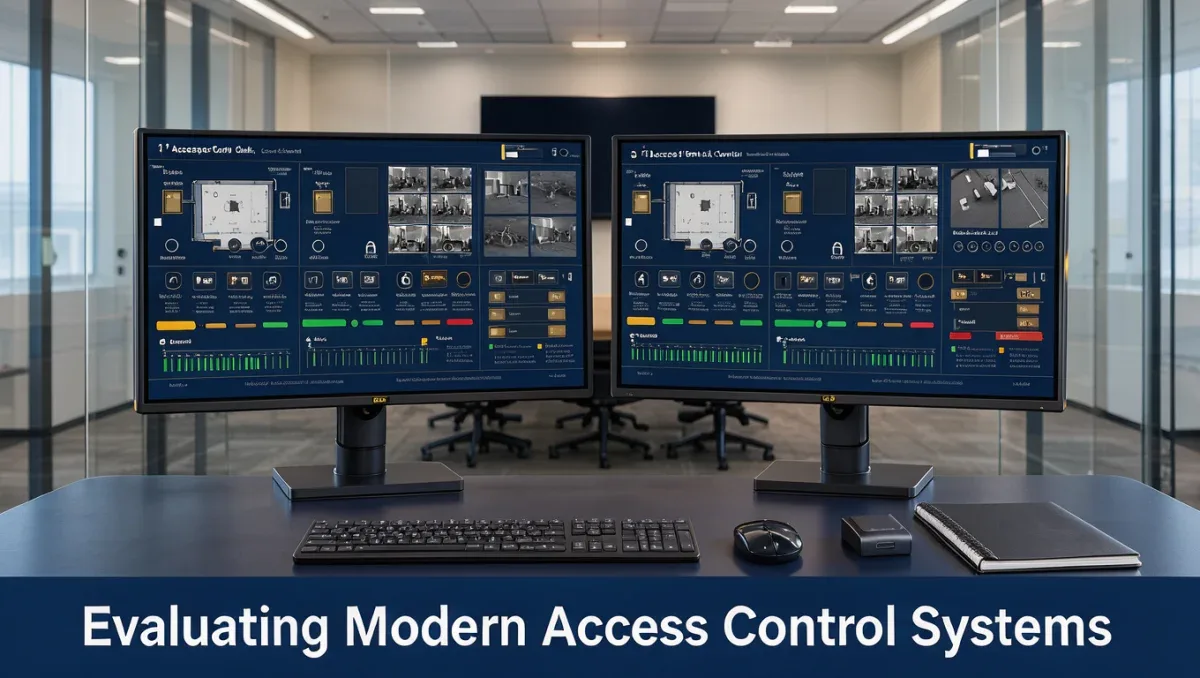
Migrating a physical security system requires careful sequencing so building doors stay secured and employees keep uninterrupted access throughout the project. Rushing a controller migration can lock out perimeters or lose event audit logs.
- Export all historical badge records, user directories, and audit logs from your existing access control dashboard to secure storage.
- Review your physical wiring, power supplies, and door strikes with a licensed low-voltage security installer.
- Set up your replacement cloud tenant and map access schedules, user groups, and door permissions in advance.
- Run replacement readers and controllers on secondary entry doors first to verify credential behavior before changing main perimeter gates.
- Deactivate old credentials systematically once all employees have activated their new physical badges or mobile passes.
6. Frequently Asked Questions
When should an organization stay with Kisi?
Organizations should stay with Kisi when their current door hardware works reliably and existing workflows meet administrative needs. If the labor cost of rewiring doors or replacing readers outweighs projected subscription savings, keeping your current cloud setup is often the most economical choice. Confirm renewal pricing with your account manager before deciding.
How much effort does changing access platforms require?
Switching systems requires coordinated planning across human resources, facility management, and low-voltage electrical installers. The work includes auditing existing wiring, provisioning replacement credentials, and testing every door lock under simulated power loss. Planning a phased rollout over several weeks helps avoid disruption for building tenants.
What should teams verify before buying access hardware?
Teams should verify electrical lock power requirements, existing wiring gauges, credential frequencies, and vendor warranty terms. Also confirm whether controller licensing requires multi-year commitments or allows monthly billing adjustments. Consulting official vendor documentation helps ensure components fit your physical door frames.
Why do credential formats affect ongoing security software costs?
Credential formats determine whether an organization pays ongoing software fees for digital smartphone passes, physical smart cards, or traditional key fobs. Many vendors apply different licensing rates depending on mobile pass volume or card encryption standards. Confirm credential issuance pricing on each vendor website before finalizing your deployment plan.
7. Bottom Line
Choosing among alternatives to Kisi depends on your door infrastructure, preferred credential types, and willingness to invest in replacement controllers. Organizations focused on combining commercial video surveillance with multi-tenant doors will find Brivo aligned with broad security operations. Teams wanting touchless entry across office spaces can look at Openpath, while facilities needing modular door hardware can evaluate PDK. Before committing capital to any physical security system, compare controller specifications, verify licensing models on official vendor pages, and review independent resources on Best Coupon Blogs to make a sound infrastructure investment.
Have a question about choosing software? Send it to the bestcouponblogs team through our contact page or follow bestcouponblogs on LinkedIn for new reviews and comparisons.