bestcouponblogs may earn a commission when you buy through links on this page, at no extra cost to you. This does not affect our ratings.
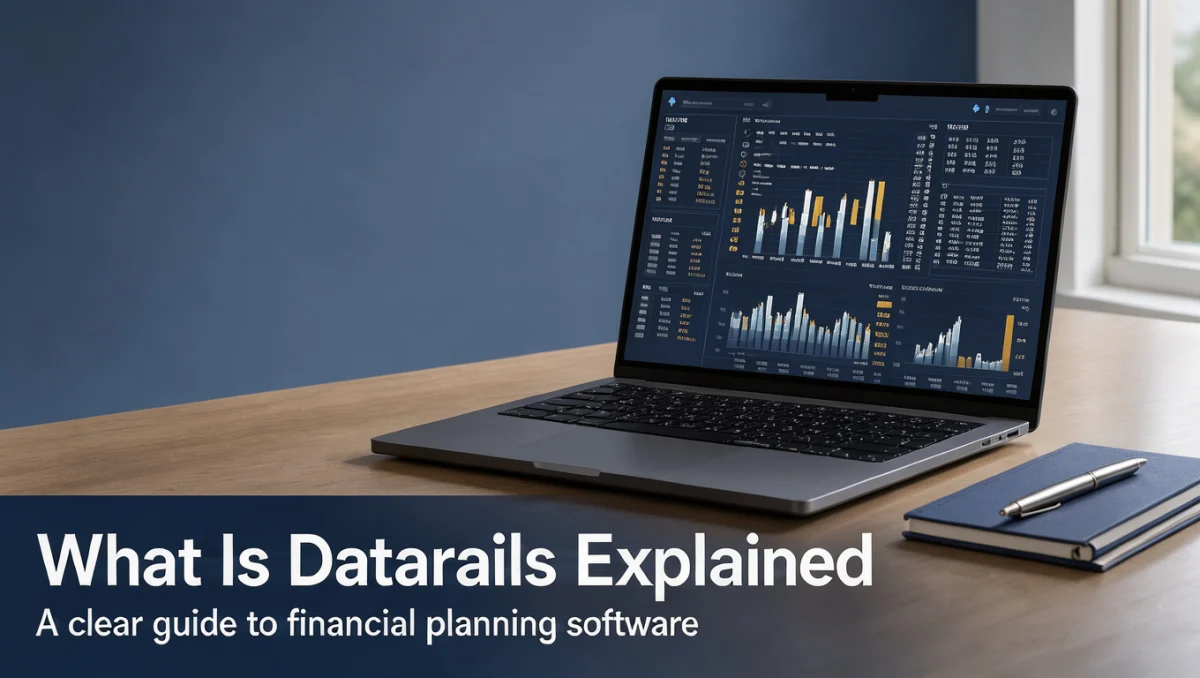
Many finance teams start asking what is Datarails once monthly reporting begins to consume more hours than actual analysis. At Best Coupon Blogs, we review business software so teams understand exactly what a platform does before committing time or budget.
Below, we explain what Datarails is built to handle, how financial planning and analysis platforms fit into everyday finance work, and how to decide whether this category of software suits your organization.
Quick answer: Datarails is a financial planning and analysis platform made for corporate finance teams and accounting professionals. It pulls scattered financial records into one central model, automates reporting, budgeting, and forecasting, and lets users keep working in the spreadsheet tools they already know.
| Overview Item | Details |
|---|---|
| Software category | Financial Planning and Analysis (FP&A) |
| Main job | Consolidating business data, automating financial reports, and building forward-looking forecasts |
| Typical users | Finance directors, controllers, FP&A analysts, and corporate accounting managers |
| Similar tools | Vena, Cube, Planful |
1. How Best Coupon Blogs Prepared This Guide
This article blends what the software is designed to do with the bestcouponblogs evaluation framework, so you can choose what suits your business. Pricing, plan limits, and features change frequently, so confirm current details on the official website before purchasing. This piece was researched and drafted with AI assistance, then reviewed and edited by the bestcouponblogs Editorial Team.
2. What Datarails Does
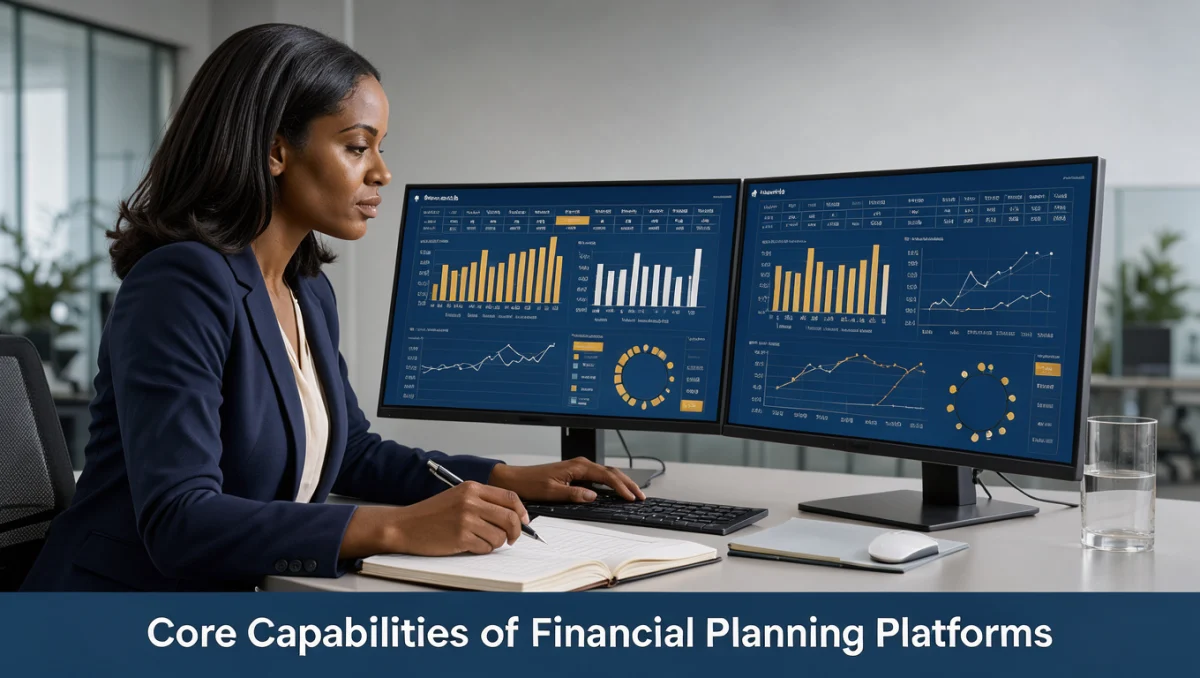
Knowing what is Datarails starts with the recurring problems corporate finance departments face each month. Data sits across general ledgers, payroll systems, and billing tools, and assembling it has traditionally meant hours of manual exporting and copying.
2.1. Financial Data Consolidation
FP&A tools bring separate ledgers and transaction records into one location. Rather than copying account balances between individual workbooks, teams link source files to an organized repository where historical figures stay structured and easy to verify.
2.2. Budgeting and Rolling Forecasts
Corporate planning means comparing historical actuals with operational assumptions. Datarails supports collaborative budget builds and rolling projections, so contributors in different departments can submit their numbers without breaking the central calculation model.
2.3. Management and Executive Reporting
Finance teams regularly deliver financial statements, board packets, and variance summaries. FP&A platforms automate standard statements, including balance sheets, cash flow models, and income statements, cutting down on repetitive monthly formatting.
- Centralizes recurring transaction records and trial balances for faster month-end review.
- Maintains calculation logic across multi-department operating models.
- Generates updated variance schedules as each operating period closes.
3. Where Datarails Fits in Your Workflow
FP&A software does not replace core transactional bookkeeping. Instead, it sits on top of existing business systems to speed up analysis and presentation. Teams handling complex Accounting workflows often add an analytical layer to reduce errors and manual assembly.
| Business task | How this type of software helps | What you still do yourself |
|---|---|---|
| Month-end financial close | Aggregates trial balances across active ledgers into standardized reporting templates | Review journal entries, verify accruals, and confirm account reconciliations |
| Annual budget creation | Distributes uniform collection templates to department heads and rolls up submissions | Determine business strategy, growth targets, and capital expenditure priorities |
| Variance analysis | Calculates differences between projected figures and realized general ledger numbers | Investigate why specific departments overspent and decide operational adjustments |
| Cash flow forecasting | Combines receivables, payables, and historical burn trends into forward-looking projections | Assess commercial credit risks and make final financing or investment decisions |
| Board meeting preparation | Populates presentation packages with updated statements as numbers change | Author the executive narrative and explain commercial context to stakeholders |
4. Key Terms Explained
Working in the FP&A software space is easier once you know the core terminology used by vendors and corporate controllers.
- Financial Planning and Analysis (FP&A): The corporate function responsible for budgeting, forecasting, and analytical modeling that supports major operational and executive decisions.
- Data consolidation: Gathering, normalizing, and combining records from multiple transaction sources into a single source of truth.
- Rolling forecast: A model that continuously extends the planning horizon by adding a new period as each current period ends.
- Variance analysis: The quantitative comparison between budgeted or forecasted figures and actual results recorded in the general ledger.
- Scenario modeling: Testing how changes to variables, such as hiring pace or raw material costs, affect profitability and working capital.
5. Who Uses It and Who Doesn't Need It
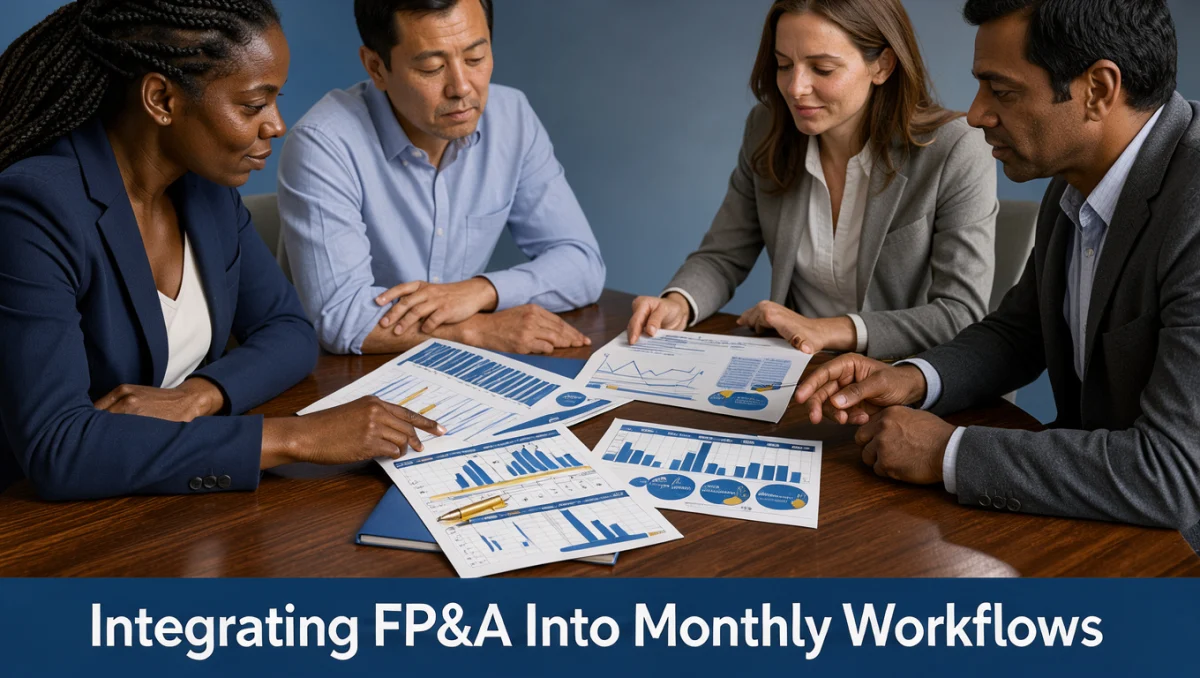
FP&A software addresses specific bottlenecks that appear as organizations grow, so it serves particular stages of business rather than every company profile.
- Organizations that benefit from FP&A platforms: Mid-sized companies running multiple legal entities, businesses where analysts spend days on manual consolidation, teams managing budgets across several divisions, and growing firms that need structured variance tracking.
- Businesses that generally don't need this software: Solo entrepreneurs, freelancers, micro-businesses with simple cash transactions, early-stage operations using a single bank account, and teams whose standard bookkeeping software covers all internal reporting needs.
6. How to Get Started
Adopting financial analysis software takes preparation so that existing records match what advanced modeling platforms require.
- Map your current financial data sources, including active general ledgers, billing systems, and operational trackers, noting where handoffs still need manual work.
- List your main reporting deliverables, identifying which presentations, cash schedules, and variance summaries take the most analyst hours each month.
- Request a walkthrough on the official Datarails website to see how the platform handles your chart of accounts structure and modeling needs.
- Consult your corporate accountant or external advisors to make sure proposed consolidation routines meet audit and governance standards.
7. Frequently Asked Questions
How does FP&A software differ from standard bookkeeping software?
Bookkeeping systems record historical transactions, handle billing, and maintain account balances for compliance. FP&A platforms sit downstream from the general ledger, combining transaction summaries with forward-looking models to project performance, test strategic scenarios, and build executive presentations.
Do teams need specialized finance training to use Datarails?
Running financial planning software requires a working grasp of corporate finance, chart of accounts design, and how financial statements relate to each other. The platform streamlines repetitive data movement, but users still need to understand how accounting adjustments affect operating statements to build accurate forecasts.
What company size typically adopts this category of tool?
Organizations adopting FP&A platforms have usually outgrown simple bookkeeping reports and employ dedicated finance staff, such as controllers, finance managers, or financial analysts. Businesses with several revenue streams, department heads submitting budgets, or complex reporting structures get the most value from automated consolidation.
Can a company replace spreadsheets entirely with FP&A platforms?
Adopting an analytical platform doesn't necessarily mean abandoning spreadsheets. Many planning tools are designed to enhance spreadsheet workflows, pairing familiar modeling formulas with centralized data security, automated consolidation, and structured version control across teams.
8. Bottom Line
Deciding what Datarails brings to your organization comes down to how much analyst time goes into manual data assembly versus real financial analysis. If your month-end reporting and budgeting depend on fragile workbooks, cross-referenced files, and repeated manual updates, an FP&A platform can add significant structure.
Smaller businesses and solo operators usually get enough financial tracking from standard accounting packages without extra software layers. Larger organizations should assess their internal modeling needs, define their reporting goals, and confirm plan details on the official Datarails website before choosing an implementation path.
Have a question about choosing software? Send it to the bestcouponblogs team through our contact page or follow bestcouponblogs on LinkedIn for new reviews and comparisons.