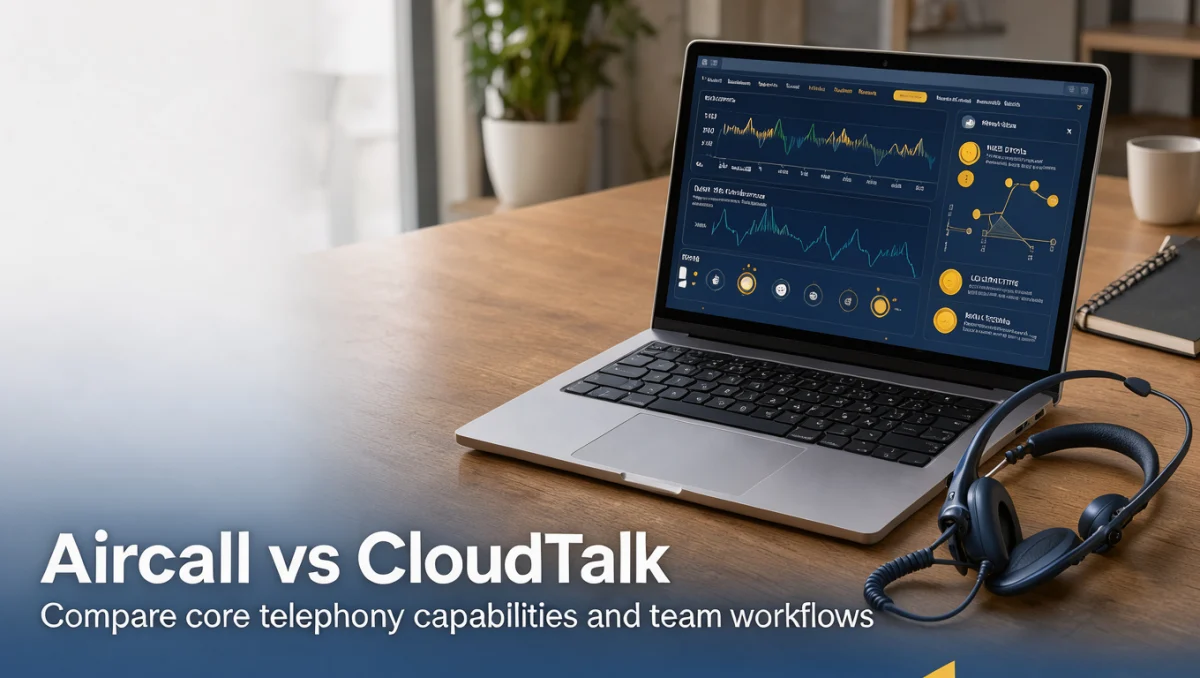
Online commerce disclosures: our platform may receive a commission on purchases made via our links without increasing your final price, which does not sway our editorial scoring. Navigating the modern business VoIP market often leads decision-makers to evaluate aircall vs cloudtalk when upgrading contact center systems. Rather than getting distracted by sales brochures, companies need a transparent examination of daily handling, setup complexities, and inbound flow logic.
Aligning your operational demands with the correct provider comes down to understanding dialing priorities, team capacity, and infrastructure needs. Our assessment aims to offer an objective breakdown so your organization invests wisely for sustainable operations.
Key Takeaway: Scoring an overall 7.9/10 in our comprehensive evaluation, each platform suits specific objectives. Aircall shines when agents need shared oversight and fast collaborative routing, whereas CloudTalk excels in outbound automation and multi-layered dialing rules. Neither option addresses needs for on-premises legacy PBX hardware or casual single-user mobile numbers.
| Metric Overview | Assessment Details |
|---|---|
| Overall Rating | 7.9/10 |
| Target Environment | Scaling sales reps and support units needing structured voice routing and team transparency |
| Unsuitable For | On-premise hardware demands or solo users seeking bare-bones individual phone lines |
| Core Highlights | Shared inbox collaboration, dynamic call assignment, and comprehensive live metric reporting |
| Pre-Purchase Step | Examine official vendor pricing pages for seat minimums and international dialing schedules |
Review Framework and Criteria
Our review protocol investigates software core utility, user management, pricing structure, integration strength, market fit, customer assistance, and competitive stance. Since pricing plans, user restrictions, and features evolve, we always recommend verifying terms on provider portals prior to purchase. This content was created with AI research support and thoroughly edited by our editorial specialists.
Primary Distinctions: Aircall Compared to CloudTalk

While both services facilitate virtual telephony, they approach call handling from unique operational viewpoints. Software options typically prioritize either shared inbound ticket management or high-cadence outbound pipelines. Teams operating in the Customer Service realm should carefully assess whether their daily routine centers on collaborative inquiry resolution or high-velocity outreach.
Aircall builds its ecosystem on unified desktop usage, clean administrative overhead, and collective call logs. In contrast, CloudTalk emphasizes international local number availability, automated calling queues, and granular logic-based agent routing.
| Platform | Ideal Profile | Key Strength | Consider When |
|---|---|---|---|
| Aircall | Teams handling shared inbound queues | Centralized team inboxes and straightforward call delegation | Onboarding speed and minimalist desktop dialers are top priorities |
| CloudTalk | Outbound campaigns and aggressive outreach | Dialing sequences and multi-tier routing trees | Representatives regularly execute high-volume outbound calling sequences |
Voice Capabilities and Call Management Tools
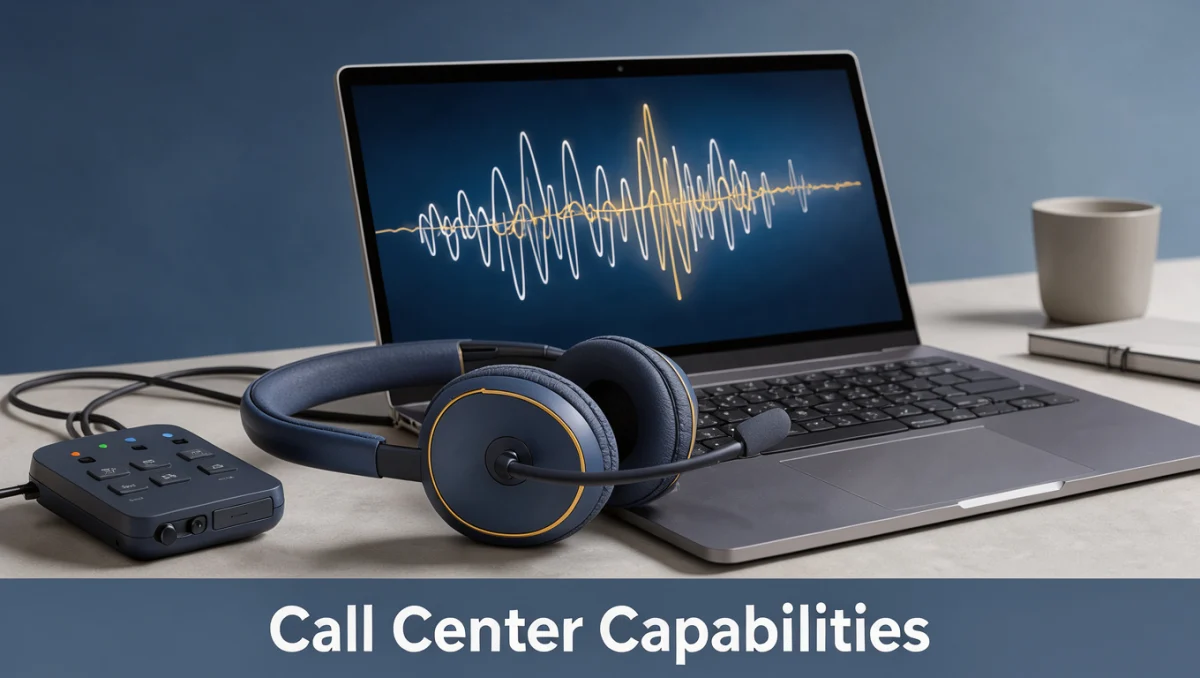
Essential telephony functions include IVR configuration, call monitoring, audio recording, and automated distribution. Aircall arranges these through transparent shared lines, letting representatives observe active calls, add internal contextual notes, and assign follow-ups collaboratively.
CloudTalk structures voice management via multi-branch IVR trees, visual call path builders, and purpose-built campaign dialers. Outbound departments benefit from queued automation tools, whereas inbound help desks favor warm handoffs and flexible agent ring groups.
To evaluate these toolsets thoroughly, administrators should consult official support documentation to confirm storage quotas for recordings, live coaching permissions, and automated voicemail transcription features per tier.
Interface Clarity and Daily Navigation
Smooth software adoption hinges on intuitive controls. Aircall incorporates an uncluttered interface resembling consumer chat tools, drastically cutting down training friction. Reps can switch their status, inspect assigned logs, and transfer calls with minimal interaction.
CloudTalk offers an information-rich control panel with detailed operational stats and dialing lists immediately accessible. While supervisors appreciate this data depth, the increased menu complexity can lengthen the onboarding curve for newly hired agents.
Organizations aiming for seamless rollouts without lengthy training modules frequently favor streamlined desktop dialers.
Subscription Structures and Overall Expense
Both providers rely on per-seat monthly or annualized subscriptions. Costs fluctuate depending on reporting depth, feature tiers, and inclusive domestic or global voice credits.
Prospective subscribers must inspect official pricing directories for both Aircall and CloudTalk to identify minimum seat rules. Several telephony plans enforce a three-seat baseline, affecting early commitments for lean operations.
Additionally, outbound usage rates and overseas number rentals depend on local carrier fees. Reviewing international call rate tables beforehand ensures accurate operating budget forecasts.
Third-Party Connections and Stack Harmony
Call software relies heavily on synchronization with help desks and CRM databases. Aircall and CloudTalk feature direct integrations designed to record call metadata, update caller histories, and create support tickets automatically.
Teams must check official vendor app stores to verify native dialer embedding and bidirectional contact sync. Research provided by Best Coupon Blogs recommends confirming webhook support and synchronization frequencies on official integration listings before deployment.
Customer Care and Technical Assistance
Reliable calling infrastructure demands quick technical resolution during voice quality or carrier hiccups. Support access is commonly segmented into help articles, ticket channels, and prioritized phone guidance tied to plan tiers.
Instead of assuming round-the-clock live assistance, users should review official service terms from both Aircall and CloudTalk to understand baseline response speeds, onboarding assistance, and escalation channels for their subscription tier.
Selecting the Ideal Cloud Phone Service
Reaching an informed choice between these solutions requires evaluating call patterns, team size, and outbound focus. A deliberate review prevents costly migration setbacks:
- Calculate the balance between inbound customer calls and outbound sales initiatives.
- Consult official compliance guides to align dialing strategies with local regulations.
- Verify that your active CRM and ticketing platforms are fully supported.
- Tally total operational expenses including user minimums, line leases, and usage charges.
Common Questions Addressed
How do teams ensure their office network supports cloud calling?
Offices should check upload/download throughput, configure Quality of Service (QoS) prioritization on routers, and review firewall parameters. Steady connections with minimal packet loss are required to prevent audio dropouts during conversations.
What additional expenses affect outbound telephony costs?
Beyond base monthly plans, costs encompass leased toll-free or local numbers, destination calling rates, and mandatory telecommunication regulatory charges. Reviewing official rate sheets prevents unexpected minute bills.
When is a dedicated call platform needed over a standard virtual phone?
Organizations should upgrade when operations demand queue analytics, multi-tier IVR menus, shared call distribution, and continuous CRM synchronization. Basic virtual lines lack advanced supervision and queuing architecture.
How can administrators promote high platform adoption among reps?
Leadership should standardize status updates, tag definitions, and internal note-taking expectations. Running simulated practice sessions during setup boosts agent comfort with transferring, holding, and queue management.
Summary and Final Assessment
| Evaluation Pillar | Rating /10 | Justification |
|---|---|---|
| Telephony Features | 8.2/10 | Both provide dependable call queues, advanced routing rules, and real-time supervisory tracking. |
| Usability | 8.4/10 | Clean dialer layouts facilitate daily handling, though dense administrative menus require brief training. |
| Pricing Transparency | 7.2/10 | Buyers must account for variable minute fees and plan-mandated seat minimums via official pages. |
| Integrations | 7.8/10 | Extensive compatibility with modern CRMs, though data sync limits require initial confirmation. |
| Target Suitability | 8.0/10 | Meets the operational workflows of scaling support desks and outbound sales groups. |
| Support Reliability | 7.4/10 | Assistance levels and response times depend heavily on the contracted plan tier. |
| Market Stance | 8.1/10 | Both hold solid reputations as robust cloud telephony providers in the business voice space. |
Combined Rating: 7.9/10
For collaborative customer support units wanting prompt onboarding, straightforward call delegation, and simple interfaces, Aircall delivers an accessible environment. For outreach departments needing automated dialers, outbound queues, and detailed routing paths, CloudTalk provides a capable alternative.
For further advice on picking communication software tailored to your organization, visit our contact page at https://bestcouponblogs.com/contact/ or join our professional network on LinkedIn at https://www.linkedin.com/company/bestcouponblogs/ for continuous business software updates.