bestcouponblogs may earn a commission when you buy through links on this page, at no extra cost to you. This does not affect our ratings.
For real estate investors and tax professionals, the question of whether is R.E cost seg safe for depreciation planning deserves a careful answer in 2026. Automated tools can flag short-life property components and speed up depreciation, but users still need to judge compliance and documentation quality before trusting automated output.
At bestcouponblogs, we examine how property allocation platforms work, which property types they handle well, and the procedural limits you should respect. Software used in the Accounting space can streamline asset classification, yet a defensible audit trail still depends on disciplined human oversight.
Quick verdict: R.E Cost Seg earns an overall rating of 8.0 / 10. It suits individual property owners and tax advisors who want structured asset allocation for standard residential rentals. It is less suitable for complex commercial buildings that need on-site engineering inspections.
| Metric | Details |
|---|---|
| bestcouponblogs score | 8.0 / 10 |
| Best for | Residential rental owners and tax preparers who want standardized depreciation schedules |
| Not ideal for | Unique commercial facilities or heavy industrial spaces that need custom structural analysis |
| Key strengths | Property component categorization, depreciation scheduling, and standardized documentation generation |
| What to check before buying | Review sample audit defense packages and pricing models directly on the official vendor website |
1. How bestcouponblogs Reviewed R.E Cost Seg
This review considers what R.E Cost Seg is designed to do, who it serves, and how it compares with similar tools. We apply the seven bestcouponblogs criteria: features, ease of use, pricing and value, integrations, audience fit, support, and competitive position. Plans, prices, and limits change often, so we flag what to confirm on the official website before purchasing. This article was researched and drafted with AI assistance, then reviewed and edited by the bestcouponblogs Editorial Team.
2. What R.E Cost Seg Is and Who It Serves
R.E Cost Seg is specialized property tax software that separates personal property and land improvements from structural building components. Built for residential real estate holders and accounting teams, the application sorts building costs into standard five-, seven-, and fifteen-year depreciation categories alongside conventional structural lifespans.
The software targets property investors, syndicators, and tax professionals who need organized cost allocations without commissioning a full architectural review for straightforward properties. As our independent assessments at Best Coupon Blogs consistently show, tax platforms must be checked carefully against regulatory documentation standards.
3. What R.E Cost Seg Helps You Do
3.1. Property Asset Breakdown
R.E Cost Seg lets users enter purchase details, improvement records, and appraisal summaries, then sorts building items into suitable depreciation schedules. Users should check how the system handles interior fixtures, outdoor improvements, and shared systems during categorization.
3.2. Depreciation Schedule Modeling
The system calculates multi-year depreciation schedules using standard tax accounting methods. When evaluating this feature, confirm that calculations reflect the bonus depreciation percentages applicable to the relevant placed-in-service tax year.
3.3. Audit Trail Compilation
R.E Cost Seg compiles data entries into an exportable study document for filing preparation. Tax preparers should inspect the generated exhibits to verify that component descriptions, reference photos, and square footage details meet standard accounting review expectations.
4. Ease of Use and Learning Curve
Users already familiar with basic real estate balance sheets will find R.E Cost Seg relatively straightforward. The main hurdle is gathering accurate closing statements, renovation receipts, and property dimensions before running calculations.
Owners unfamiliar with asset reclassification rules may face a short learning curve during setup. However, the guided intake workflow reduces ambiguity by prompting users for specific building characteristics step by step.
5. A Two-Week Evaluation Plan for R.E Cost Seg

- Days 1–3: Gather acquisition records, depreciation tables, and inspection reports for a single residential property to run a trial calculation.
- Days 4–7: Enter property details into R.E Cost Seg, check component assignments against standard tax guidelines, and review the resulting summary schedules.
- Days 8–14: Send the draft report to your licensed certified public accountant for compliance review, comparing documentation depth against standard filing requirements.
6. Where R.E Cost Seg Shines and Where It May Fall Short
| Area | Shines when | May fall short when |
|---|---|---|
| Residential properties | Analyzing single-family rentals and small multifamily buildings with conventional construction | Evaluating historic restorations or custom mixed-use developments with non-standard fixtures |
| Documentation generation | Producing standardized study summaries for routine income tax returns | Defending high-value disputes where physical engineering site visits are expected |
| Workflow speed | Creating initial tax estimates quickly from closing statements and basic building specifications | Requiring bespoke manual adjustments for specialized structural components |
7. R.E Cost Seg Compared With Similar Tools
| Tool | Best for | Core focus |
|---|---|---|
| R.E Cost Seg | Residential real estate investors and small tax firms | Standardized asset separation and property component schedules |
| KBKG | Commercial real estate portfolios and certified public accountants | Engineered tax studies and specialized tax credit calculations |
| CSSI | Commercial building owners seeking personalized engineering studies | Custom physical property audits and nationwide study coordination |
8. Who Should Use R.E Cost Seg
| User profile | Recommended use | Key consideration |
|---|---|---|
| Freelance real estate consultants | Suitable for preparing initial depreciation projections for clients | Must coordinate final filings with a certified tax professional |
| Small business property owners | Suitable for separating interior improvements in standard offices or retail spaces | Confirm that improvements have clear invoice documentation |
| Marketing and operations managers | Suitable when managing property accounting records across company facilities | Verify that export formats match current accounting spreadsheets |
| Office administrative staff | Suitable for basic property data entry and record maintenance | Requires supervisory review by an accountant before filing |
| Students and researchers | Suitable for learning cost segregation concepts and asset breakdown methods | Should use sample data sets to explore depreciation mechanics |
| Complex industrial operators | Not recommended for manufacturing plants or multi-building industrial hubs | Requires full physical site engineering analysis rather than algorithmic modeling |
9. Pricing at a Glance
- Confirm on the official vendor website whether pricing is charged per completed property study, through an annual subscription, or in tiered volume packages.
- Check whether audit defense support is included in the study cost or requires a separate advisory retainer.
- Verify whether software access includes updates for later tax years if property modifications occur afterward.
10. Frequently Asked Questions
10.1. What makes a cost segregation report defensible under regulatory scrutiny?
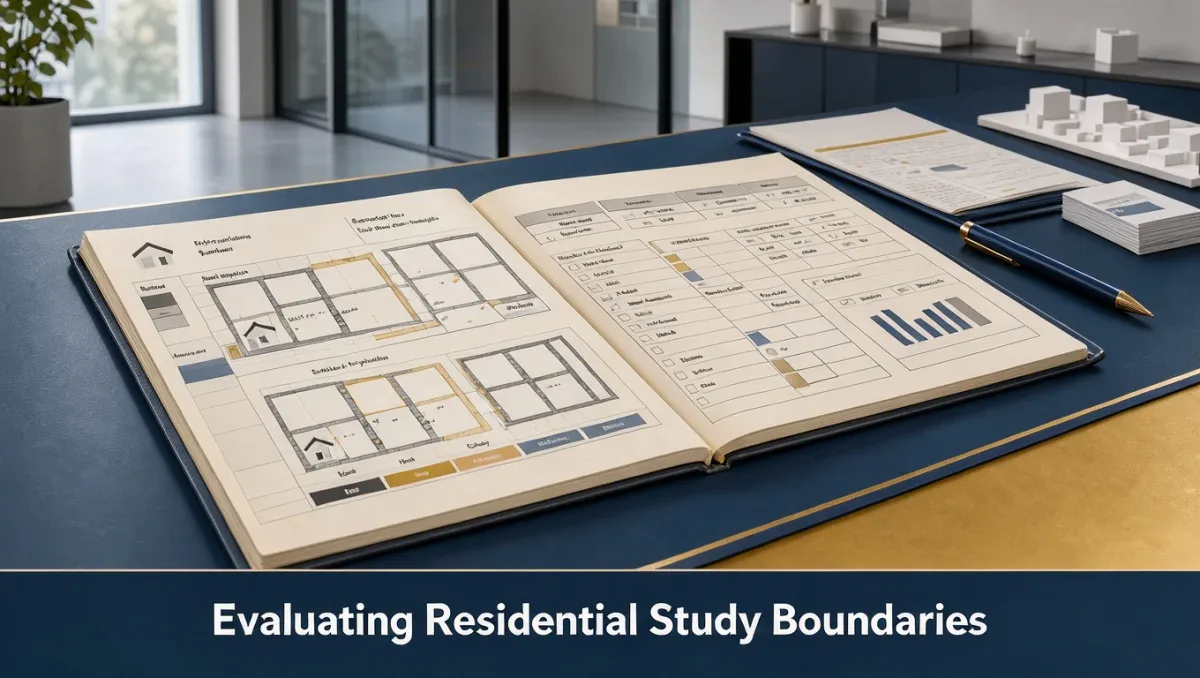
A cost segregation study is generally considered defensible when it is supported by detailed documentation, accurate property measurements, a clear asset segregation methodology, and adherence to standard tax depreciation guidelines. Having an experienced accounting professional review the finished study remains essential.
10.2. Can real estate software replace an on-site engineering study?
Software works well for standardized residential properties whose construction follows predictable patterns. Properties with custom architectural elements, specialized industrial machinery, or significant historic renovations often require hands-on inspections by qualified engineers.
10.3. Which records are needed before starting a property study?
A complete study requires the final closing settlement statement, appraisal records, building permits, renovation invoices, and floor layout plans. Organized financial and structural documents help ensure asset categories reflect actual acquisition figures.
10.4. When should property owners consult a certified tax professional?
Owners should consult their certified public accountant before applying accelerated depreciation results on a tax return. Professional advisors help verify passive loss limitations, depreciation recapture considerations, and alignment with the overall tax strategy.
11. Final Verdict
| Criterion | Score /10 | Reason |
|---|---|---|
| Features | 8.5 / 10 | Provides comprehensive asset breakdown and standardized schedule creation for routine rental properties. |
| Ease of Use | 7.0 / 10 | Simple intake process, though it requires thorough preparation of detailed property cost documents. |
| Pricing and Value | Confirm before buying | Review per-study rates and subscription terms directly on the official R.E Cost Seg pricing page. |
| Integrations | Confirm before buying | Examine supported export formats and accounting platform connections on the official product site. |
| Audience Fit | 8.5 / 10 | Matches residential landlords and independent tax practices that need structured depreciation schedules. |
| Support | Confirm before buying | Check official vendor channels for audit defense representation and technical support availability. |
| Competitive Position | 8.0 / 10 | Focuses efficiently on straightforward property allocations without unnecessary corporate overhead. |
| Overall score | 8.0 / 10 | A solid platform for standardized real estate asset classification. |
R.E Cost Seg is a dependable option for owners of standard single-family and small residential rental portfolios seeking accelerated tax benefits. Complex commercial spaces still warrant custom engineering audits, but for mainstream investment properties, R.E Cost Seg offers practical efficiency when paired with professional tax advice.
Have a question about choosing software? Send it to the bestcouponblogs team through our website contact page, or explore more Accounting reviews and guides on bestcouponblogs.