bestcouponblogs may earn a commission when you buy through links on this page, at no extra cost to you. This does not affect our ratings.
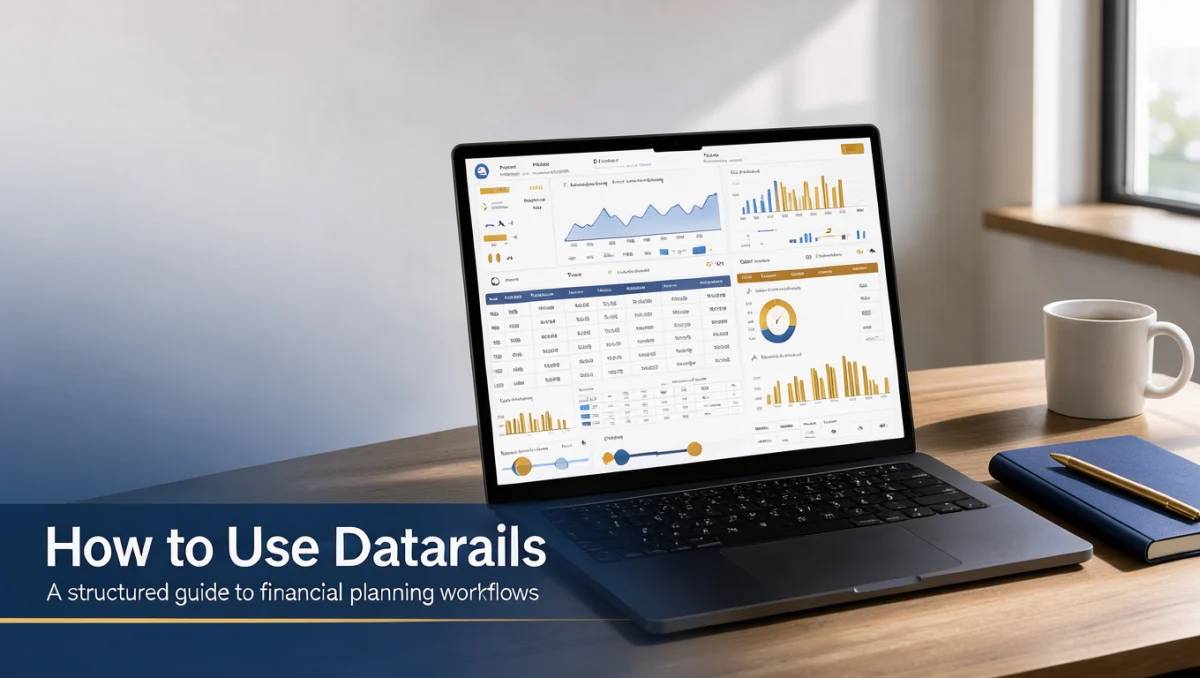
Getting started with how to use datarails begins with cleaning up historical financial records, mapping your chart of accounts, and setting up recurring consolidation routines. Finance teams use dedicated planning environments to bring spreadsheet models together while keeping the Excel-style workbooks their departments already rely on. At Best Coupon Blogs, we break down software processes so decision-makers can roll out new tools with less friction.
A smooth adoption depends on following a clear order of steps, from normalizing your chart of accounts to scheduling regular variance reviews. When you follow a structured rollout, finance leaders keep their data consistent across general ledger extracts, budget templates, and executive summaries, all while staying on schedule with everyday reporting.
Quick answer: To learn how to use Datarails, prepare clean trial balances, map your workbooks to standardized database fields, automate periodic consolidation, and review budget variances. Confirm your source system connections, build reliable month-end validation checks, and consult certified finance professionals when setting up complex multi-entity consolidation rules.
| Evaluation Dimension | Operational Guidance |
|---|---|
| Who this guide is for | Finance managers, corporate controllers, and financial analysts looking for automated consolidation and structured financial planning |
| What you need before starting | A clean chart of accounts, historical general ledger balances, current budget templates, and administrative database credentials |
| What you will have at the end | A repeatable financial reporting workflow, scheduled variance analysis routines, and documented month-end consolidation procedures |
1. How bestcouponblogs Put This Guide Together
This guide pairs what the software is designed to do with the bestcouponblogs buying framework, so you can choose the option that fits your business. Plans, prices, and limits change frequently, so we point out what to verify on the official website before you commit. This article was researched and drafted with the help of AI tools, then reviewed and edited by the bestcouponblogs Editorial Team.
2. Before you start
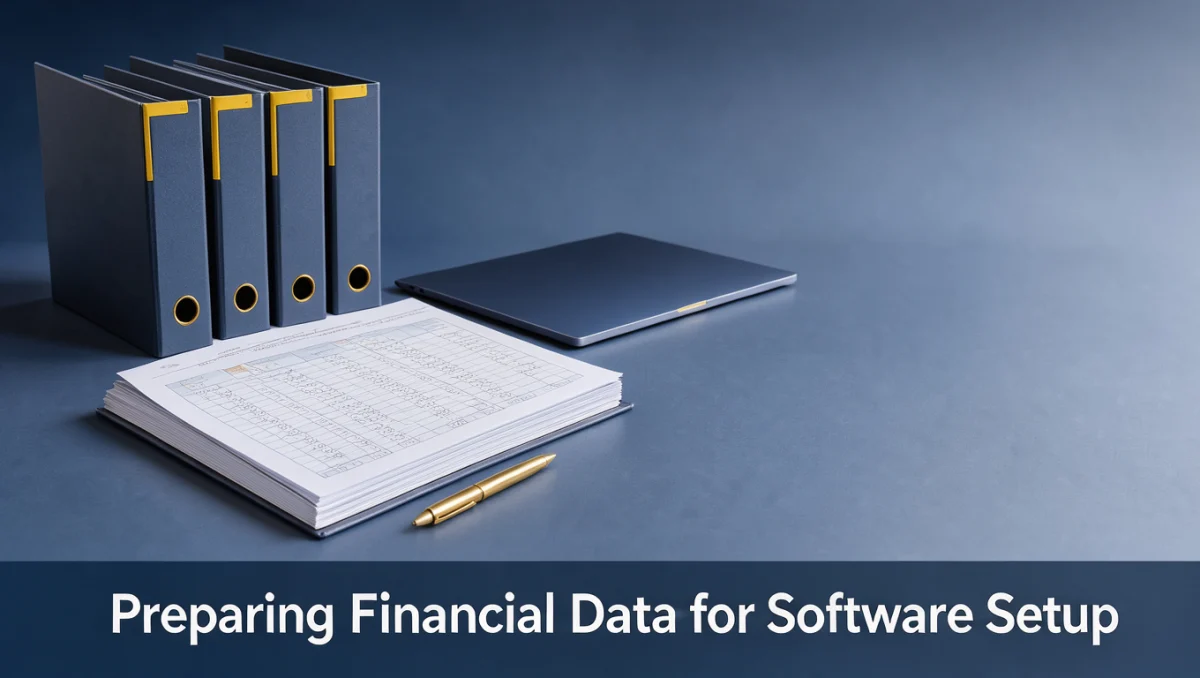
Before rolling out any financial planning software, your team should collect core transaction records and agree on reporting standards. Preparing source files in advance prevents data mismatches during later consolidation stages, especially when aligning multiple business units across distributed subsidiaries in your Accounting operations.
- Historical general ledger extracts and trial balances covering the relevant fiscal years.
- Standardized chart of accounts definitions, including department codes, cost centers, and intercompany elimination accounts.
- Existing spreadsheet reporting workbooks, such as profit and loss sheets, balance sheets, and cash flow projections.
- Administrative access credentials for your enterprise resource planning platform and external payroll databases.
- Documentation of your current month-end close schedule, approval hierarchy, and internal audit requirements.
3. Step-by-step workflow: how to use Datarails
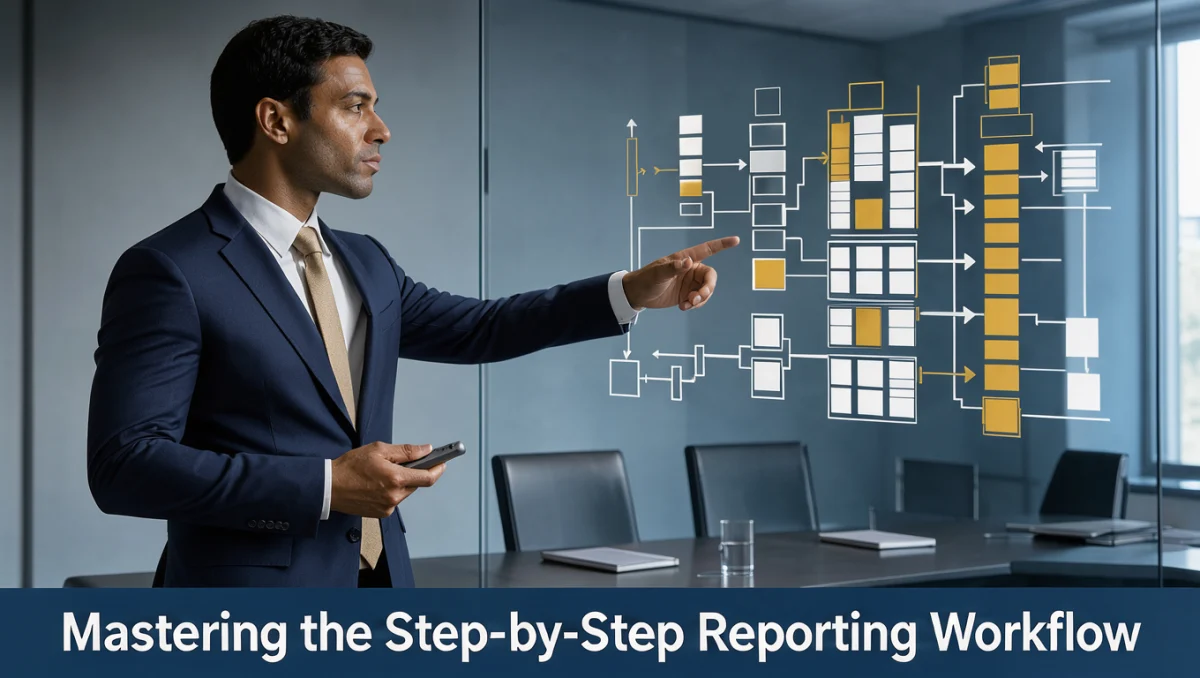
Mastering this tool means setting up a disciplined sequence that connects familiar desktop workbooks with centralized database structures. Following these milestones keeps reporting reliable without disrupting ongoing quarterly operations.
- Audit and clean existing spreadsheets to remove broken formula references, hardcoded plugs, and conflicting naming conventions before connecting data sources.
- Map internal spreadsheet ranges to centralized database schemas so that each account number and entity tag matches your organization's financial hierarchy.
- Run an initial baseline consolidation to confirm that imported general ledger balances match audited financial statements exactly.
- Build standardized reporting templates for routine management packs, variance reviews, and rolling cash forecasts.
- Set up automated refresh cycles that pull regular general ledger updates directly into dynamic board presentation decks.
- Run scenario models to evaluate budget adjustments, headcount updates, and revenue shifts against baseline performance targets.
4. Your first 30 days
A phased adoption schedule keeps implementation organized while team members adjust to automated reporting routines. Guidance published on the Best Coupon Blogs software portal emphasizes staged rollout milestones over abrupt operational cutovers.
| Week | Routine to build | Why it matters |
|---|---|---|
| Week 1 | Data mapping and chart reconciliation | Establishes a single source of truth across historical general ledger numbers. |
| Week 2 | Template standardization and test syncs | Verifies that existing spreadsheet logic aligns with centralized records. |
| Week 3 | Parallel month-end reporting run | Identifies discrepancies between manual calculation workbooks and automated rollups. |
| Week 4 | Management deck review and routine scheduling | Lets analysts publish recurring financial packages without repetitive manual rework. |
5. Common mistakes and how to avoid them
Financial software rollouts often run into problems caused by disorganized legacy practices rather than technical barriers. Watch for these common oversights to protect the integrity of your reporting.
- Importing workbooks with inconsistent column headers or merged cell blocks across different business units.
- Overlooking intercompany balances, which distorts consolidated revenue and expense totals.
- Neglecting access permission governance, allowing unauthorized staff to overwrite baseline financial assumptions.
- Skipping parallel manual reconciliation during the first month of deployment.
- Failing to document custom calculation formulas used in management reporting packets.
6. When to ask for help
Although structured software simplifies routine financial modeling, some complex scenarios call for specialized outside advice. Knowing when to escalate technical or functional challenges protects compliance and operational stability.
- Complex foreign currency translation adjustments that require specialized accounting treatment under international reporting standards.
- Major entity restructuring, acquisitions, or spin-offs that change fundamental consolidation rules.
- Unresolved synchronization discrepancies between enterprise resource databases and centralized financial tables.
- Statutory tax compliance reviews, where certified public accountants must verify regulatory reporting accuracy.
7. Frequently asked questions
What level of spreadsheet proficiency is needed for this platform?
Users should be comfortable with spreadsheet formulas, financial modeling conventions, and pivot structures. Because planning software often keeps familiar workbook environments, finance professionals who already manage budget templates can carry their existing skills over without learning full programming code.
How should a team handle multi-entity consolidation rules?
Teams should create a standardized chart of accounts mapping table that clearly specifies elimination accounts for intercompany transactions. Verifying foreign exchange translation methods with certified accounting advisors before automating consolidation cycles prevents reconciliation errors during audits.
What steps ensure data consistency during onboarding?
Running parallel reporting cycles alongside your existing manual spreadsheets is the most reliable safeguard. Comparing line-by-line outputs for profit and loss balances, gross margins, and balance sheet lines over a full month-end cycle surfaces discrepancies before final management sign-off.
Where can administrators confirm user permission limits?
Account administrators should check the official software documentation and plan specification pages to confirm role assignments. Verifying access tiers directly with vendor support ensures that sensitive salary, bonus, and profit details stay restricted to authorized leadership roles.
8. Next steps on how to use Datarails
Successfully adopting financial planning technology takes deliberate organization, careful verification, and consistent maintenance routines. Teams looking to get the most out of how to use Datarails should take these next actions:
- Audit all budget templates currently circulating across your finance department.
- Visit the official vendor documentation portal to confirm the technical prerequisites for your general ledger system.
- Schedule planning workshops with department heads to standardize reporting criteria before automating workflows.
- Run a complete parallel consolidation cycle during your next close to validate automated outputs against historical benchmarks.
Have a question about choosing software? Send it to the Best Coupon Blogs team through our contact page, or follow Best Coupon Blogs on LinkedIn for new reviews and comparisons.