bestcouponblogs may earn a commission when you buy through links on this page, at no extra cost to you. This does not affect our ratings.
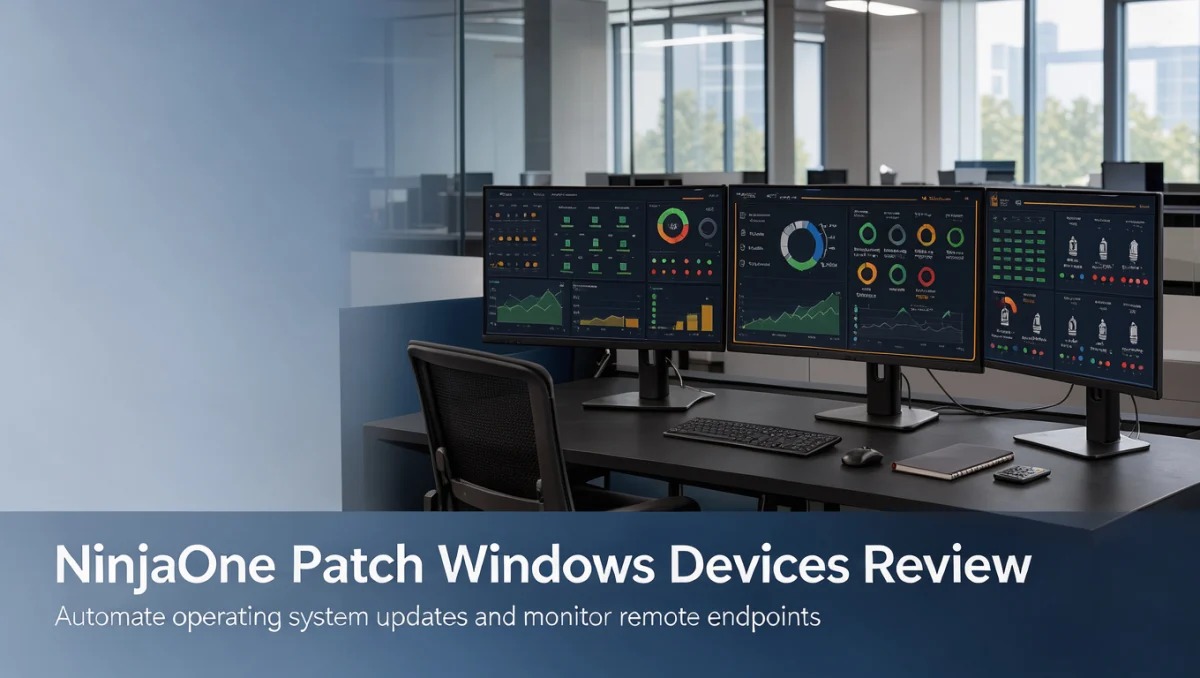
Keeping Windows machines current is one of the most demanding jobs in systems administration. ninjaone patch windows devices workflows aim to take that burden off technical staff by spotting missing operating system updates, automating recurring fixes, and giving administrators a single place to monitor remote computer health. Before standardizing on any endpoint management platform, buyers want clear answers about core capabilities, deployment effort, and total cost of ownership. bestcouponblogs examines how this platform organizes maintenance work so you can make a confident purchasing decision.
Managing update cycles across scattered office hardware calls for dependable policy automation, transparent status reporting, and steady agent communication. The real question for many organizations is whether a dedicated remote management tool suits their team size, or whether a different systems administration approach better matches how they are structured.
Quick verdict: NinjaOne earns a 7.8/10 bestcouponblogs score for handling operating system updates and endpoint oversight. It suits internal technical teams and managed service providers looking for unified maintenance routines. It is less suitable for solo owners who want simple software without the overhead of dedicated IT administration.
| Evaluation Metric | Summary Details |
|---|---|
| bestcouponblogs score | 7.8/10 |
| Best for | Organizations wanting centralized oversight for distributed workstation and server maintenance |
| Not ideal for | Non-technical teams without dedicated systems personnel to supervise administrative policies |
| Key strengths | Automated update deployment, remote device visibility, and centralized policy enforcement |
| What to check before buying | Review contract minimums, endpoint billing tiers, and technician licensing requirements on the official vendor site |
1. How bestcouponblogs Reviewed NinjaOne
This review considers what NinjaOne is designed to do, who it serves, and how it stacks up against comparable tools. We applied seven bestcouponblogs criteria: features, ease of use, pricing and value, integrations, audience fit, support, and competitive position. Plans, prices, and limits change frequently, so we flag the details you should confirm on the official website before buying. This article was researched and drafted with the help of AI tools, then reviewed and edited by the bestcouponblogs Editorial Team.
2. What is NinjaOne and who is it for?
NinjaOne belongs to the remote monitoring and management software category. It is built to help technical professionals supervise, maintain, and secure computing hardware across organizational networks. The system focuses on tracking device availability, automating maintenance tasks, and distributing operating system updates to connected workstations and servers.
The product serves managed service providers that look after client technology environments, as well as internal corporate IT departments that handle employee hardware. Through centralized consoles, administrators inspect device telemetry, deliver software packages, and run remote commands without needing physical access to each machine.
For technology leaders reviewing Collaboration & Productivity tools and systems infrastructure, dependable update routines are essential to keeping operations running. The right choice depends on matching your device count, operating system mix, and staff technical maturity against what the vendor offers.
3. Core features of NinjaOne
Remote monitoring and management systems remove operational bottlenecks by replacing manual workstation visits with automated routines. Understanding how each core functional area works helps decision-makers judge whether the platform is viable for their environment.
3.1. Operating system patch automation
Automating operating system updates lets administrators approve, decline, and schedule maintenance without disrupting end-user productivity. When teams configure ninjaone patch windows devices policies, they define scan windows, approval criteria, and reboot behavior to keep systems consistently stable.
Centralized console views highlight machines missing critical security fixes, waiting on a reboot, or with failed installations. Automated maintenance policies help prevent configuration drift by enforcing regular vulnerability remediation across distributed desktop fleets.
3.2. Remote device monitoring and alerting
Continuous monitoring gives real-time visibility into machine availability, processor load, memory use, and disk capacity. Administrators set notification thresholds to catch potential hardware degradation or service interruptions before end users report problems.
Device telemetry feeds into centralized dashboards where technicians filter hardware groups by operating system version, directory domain, or department. This structured visibility streamlines routine troubleshooting and asset tracking across physically separate offices.
3.3. Remote script deployment and management
Scripting capabilities let technical staff run administrative tasks, change registry settings, or collect diagnostic logs on remote computers. Operators store reusable script libraries within the platform so resolution procedures stay consistent across technician tiers.
Automating administrative scripts reduces human error during routine configuration changes. Administrators can schedule tasks for off-peak hours so background adjustments finish without interrupting daily business.
4. Ease of use and learning curve
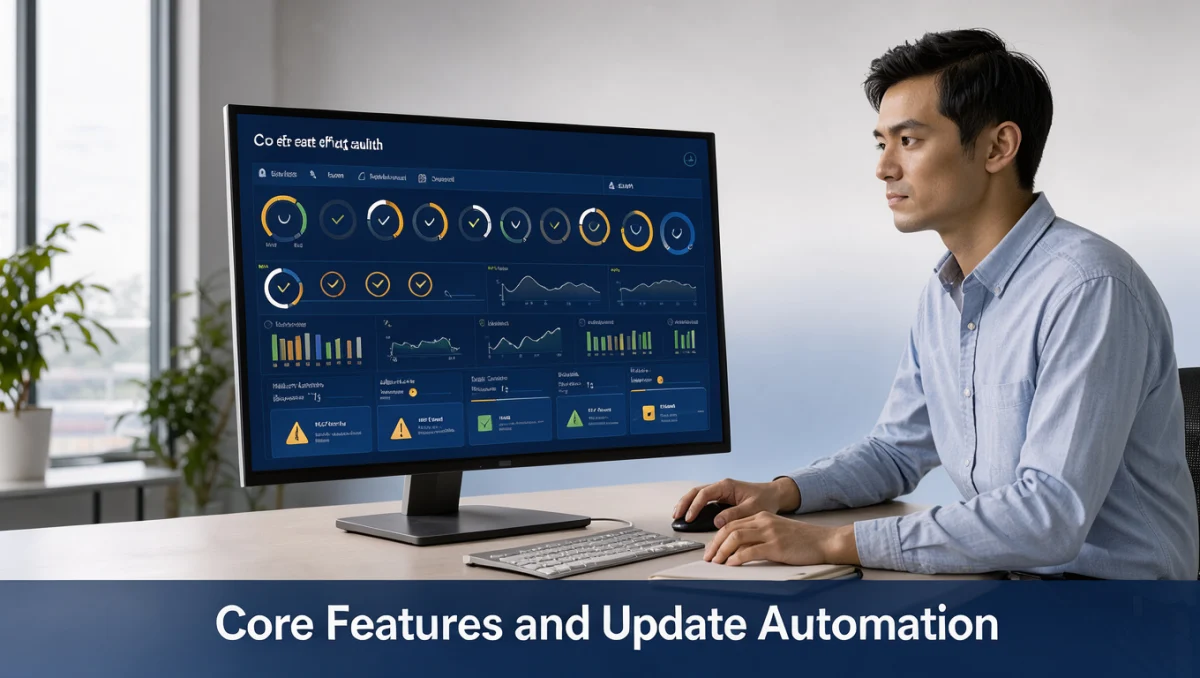
Endpoint administration platforms carry an inherent learning curve because they package complex operating system mechanics into graphical controls. Technicians familiar with systems engineering generally find their way through device trees, script repositories, and policy templates without much difficulty.
Teams without dedicated systems engineers may hit early friction when setting deployment schedules, reboot policies, and notification rules. Remote management platforms require careful planning to avoid reboots during business hours or misconfigured policy overrides.
Organizations onboarding entry-level support staff should write standard operating procedures for reviewing pending update queues and device alert triggers. Documenting internal workflows keeps management consistent across the entire support organization.
5. Pros and cons of NinjaOne
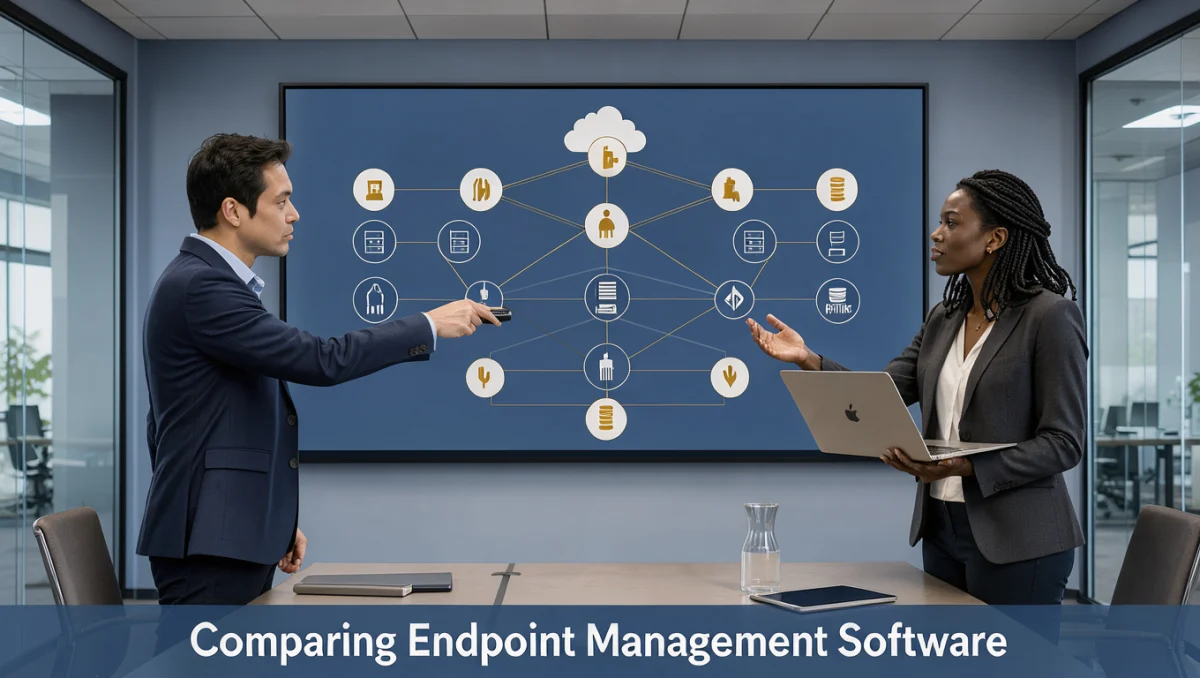
Weighing operational strengths against possible workflow constraints helps buyers choose the right administrative system for their scale.
5.1. Pros
- Centralized administrative oversight simplifies managing distributed hardware across multiple branch offices.
- Automated operating system update scheduling reduces repetitive manual maintenance work for support technicians.
- Device telemetry collection enables proactive identification of system errors and capacity constraints.
- Remote management controls let technicians resolve configuration issues without physical intervention.
5.2. Cons
- Complex initial configuration requires technical expertise to structure appropriate policy inheritance rules.
- Organizations without dedicated IT personnel may find the administrative depth overwhelming for basic office needs.
- Policy changes need careful staging across pilot device groups to prevent unintended application conflicts.
6. NinjaOne vs similar tools
The endpoint administration market includes established platforms built for different operational scales and service models. Comparing their general positioning helps buyers narrow the field.
| Platform | Target Audience | General Market Positioning |
|---|---|---|
| NinjaOne | Managed service providers and internal IT teams | Centralized endpoint monitoring, automated update deployment, and remote support administration |
| ConnectWise Automate | Established managed service providers | Scripting-heavy remote management designed for complex client servicing workflows |
| Datto RMM | Managed service provider support organizations | Cloud-centered endpoint supervision emphasizing integrated client management architectures |
| ManageEngine Endpoint Central | Midsize to enterprise corporate departments | Client management software focused on desktop configuration, patching, and enterprise asset governance |
Buyers should decide whether their priority is serving external clients or managing internal corporate assets. Managed service providers often prioritize multi-tenant separation, while internal teams focus on directory synchronization and local network compatibility.
7. Who should use NinjaOne?
Choosing software means aligning operational requirements with staff capabilities. Different organizations get very different value from dedicated endpoint management.
7.1. Internal IT departments
Corporate technology teams supporting remote and hybrid employees benefit from consolidated device inventories and automated update controls. Technicians keep oversight of company-owned laptops whether employees work in the office or from home.
7.2. Managed service providers
Firms delivering outsourced technology management need tools that keep client environments separate. Technicians move between client accounts from a single framework while maintaining distinct policy sets for each agreement.
7.3. Organizations not suited for the platform
Small offices without dedicated technical staff often find enterprise endpoint tools excessive for daily operations. Businesses with only a handful of workstations may be better served by native operating system controls rather than deploying management agents across every device.
8. How to choose the right plan
Subscription structures vary across endpoint management vendors based on licensing models, feature bundles, and target scale. Review the specifics directly on official vendor pages before committing budget.
| What to Check on the Official Vendor Page | Why It Matters to Your Organization |
|---|---|
| Endpoint volume requirements | Many vendors mandate minimum device commitments that set baseline annual spend. |
| Technician seat licensing | Some platforms charge per managed machine, while others bill per administrative user account. |
| Operating system coverage | Confirm that every workstation and server distribution in your fleet receives supported agent coverage. |
| Optional add-on modules | Tools such as ticketing, network monitoring, or backup storage may require separate subscription lines. |
9. Frequently asked questions
9.1. How should teams prepare device fleets before implementing automated update policies?
Administrators should audit existing hardware inventories, document legacy software dependencies, and set up dedicated pilot device groups. Testing updates on non-critical computers confirms that scheduled reboots and system changes do not break core departmental applications.
9.2. What factors influence the total cost of endpoint management software?
Total spend typically depends on overall machine volume, administrative seat counts, and supplementary modules. Buyers should clarify onboarding fees, support tiers, and growth requirements with sales representatives before finalizing an agreement.
9.3. Why do organizations separate pilot groups during update deployments?
Rolling out updates through pilot rings lets technical teams catch driver conflicts or software bugs on sample machines before wider distribution. Phased rollouts protect productivity by limiting unexpected incompatibilities to isolated test hardware.
9.4. How can businesses evaluate remote management software suitability before purchase?
Technology leaders should list mandatory management requirements, calculate exact fleet counts, and arrange tailored vendor demonstrations. Testing platform workflows against realistic administrative scenarios shows whether the interface fits how the team actually works.
10. Final verdict
Independent assessments from Best Coupon Blogs focus on practical utility, operational transparency, and category fit. The evaluation below summarizes key platform dimensions for prospective buyers.
| Criterion | Score /10 | Reason |
|---|---|---|
| Features | 8.5/10 | Provides comprehensive patch scheduling, device monitoring, and administrative automation workflows. |
| Ease of Use | 8.0/10 | Logical interface layout, though complex policy rules require technical systems administration knowledge. |
| Pricing and Value | 7.0/10 | Requires direct sales consultation to establish fleet quotes, contract minimums, and per-device rates. |
| Integrations | 7.5/10 | Connects with standard professional services automation platforms and common IT service desks. |
| Audience Fit | 8.5/10 | Directly satisfies the operational requirements of IT teams and managed service providers. |
| Support | 7.0/10 | Buyers should verify official service level agreements and support coverage windows during procurement. |
| Competitive Position | 8.0/10 | Maintains a distinct profile among established remote monitoring and endpoint management platforms. |
Overall score: 7.8/10
NinjaOne is a solid choice for technical departments and service providers that need structured, automated operating system maintenance across distributed hardware. Organizations with dedicated administrators will appreciate centralized fleet oversight, while non-technical teams should consider simpler alternatives with less administrative overhead.
For more software selection advice or personalized questions, contact our editorial team through our contact page or follow bestcouponblogs updates on LinkedIn.