bestcouponblogs may earn a commission when you buy through links on this page, at no extra cost to you. This does not affect our ratings.
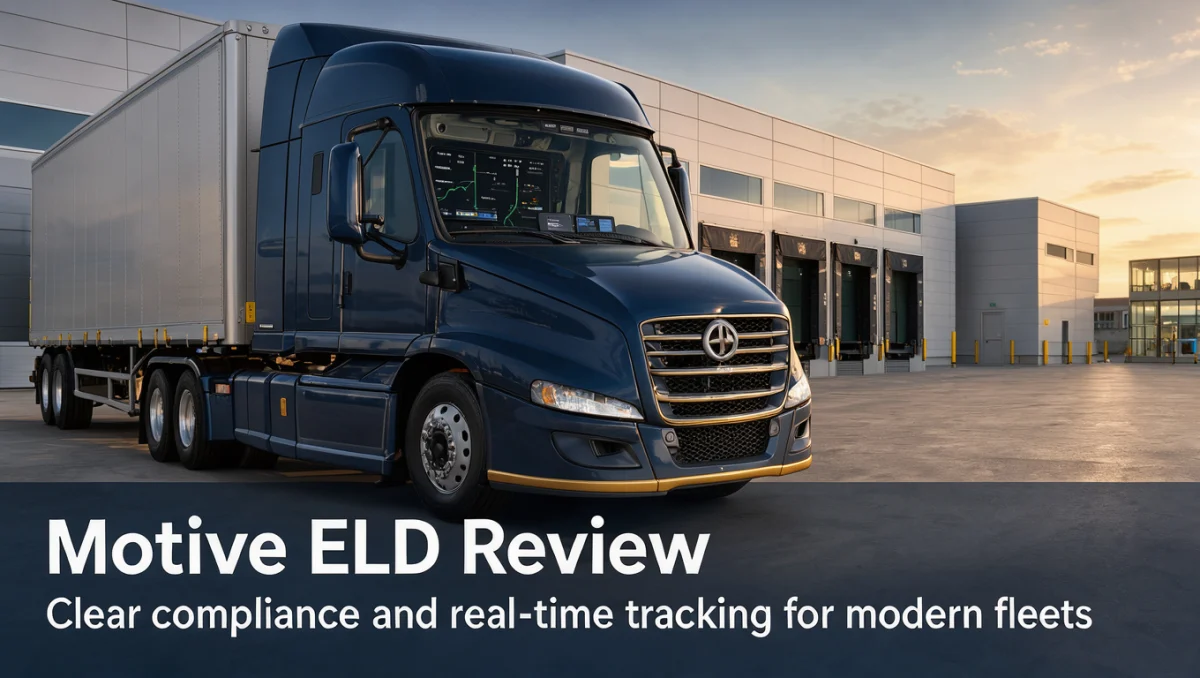
Fleet managers, safety directors, and owner-operators often ask whether a compliance platform will fit their daily routine. This motive eld review looks at how the software handles dispatching, driver logs, and vehicle inspections, without relying on dated marketing copy or unverified prices. Picking the right hardware and software pairing keeps operations within legal driving limits and cuts down on administrative slowdowns.
Electronic logging is no longer optional for commercial motor vehicles under federal and regional duty rules. The real question is how drivers use the mobile screen during roadside checks, how dispatchers review duty status changes, and which hidden costs appear as a fleet grows. The sections below outline the strengths and the evaluation points every manager should check on the vendor site before committing.
Quick verdict: Motive ELD earns a bestcouponblogs score of 7.9 / 10. It suits commercial trucking operations and mixed fleets that want streamlined duty logging and centralized oversight. It is less suitable for casual operators who want non-contract hardware or who need diagnostic features sold separately from software subscriptions.
| Metric | Summary |
|---|---|
| bestcouponblogs score | 7.9 / 10 |
| Best for | Fleets that want centralized electronic logs, automated duty recording, and fleet safety oversight. |
| Not ideal for | Part-time operators who need pay-as-you-go logging without ongoing software subscriptions. |
| Key strengths | Driver-focused log editing, vehicle inspection documentation, and centralized asset tracking. |
| What to check before buying | Hardware warranty terms, per-vehicle subscription renewal terms, and contract cancellation policies. |
1. How bestcouponblogs Reviewed Motive ELD
This review examines what Motive ELD is designed to do, who it serves, and how it compares with similar tools. We used seven bestcouponblogs criteria: features, ease of use, pricing and value, integrations, audience fit, support, and competitive position. Plans, prices, and limits change often, so we flag what to confirm on the official website before buying. This article was researched and drafted with the help of AI tools, then reviewed and edited by the bestcouponblogs Editorial Team.
2. What Is Motive ELD and Who Is It For
Motive ELD is an electronic logging device system built to record commercial driver hours of service automatically. It pairs in-vehicle telematics hardware, connected to engine diagnostics, with software for drivers and back-office administrators. By digitizing record of duty status documentation, the platform reduces paperwork errors and streamlines roadside inspection handoffs.
The system serves a broad range of commercial road transport organizations, including long-haul freight carriers, regional delivery services, passenger transport fleets, and field construction contractors. Carriers bound by strict rest break rules and drive-time limits use such platforms to reduce violation risk. Safety directors also rely on it to see vehicle health and driving behavior across dispersed teams.
Organizations moving away from paper logs or basic digital timers often find that dedicated telematics hardware creates accountability across maintenance and dispatch. For broader fleet strategy, aligning regulatory logging with back-office Customer Service management helps delivery teams give clients realistic arrival windows based on actual remaining driver hours.
3. Core Features of Motive ELD
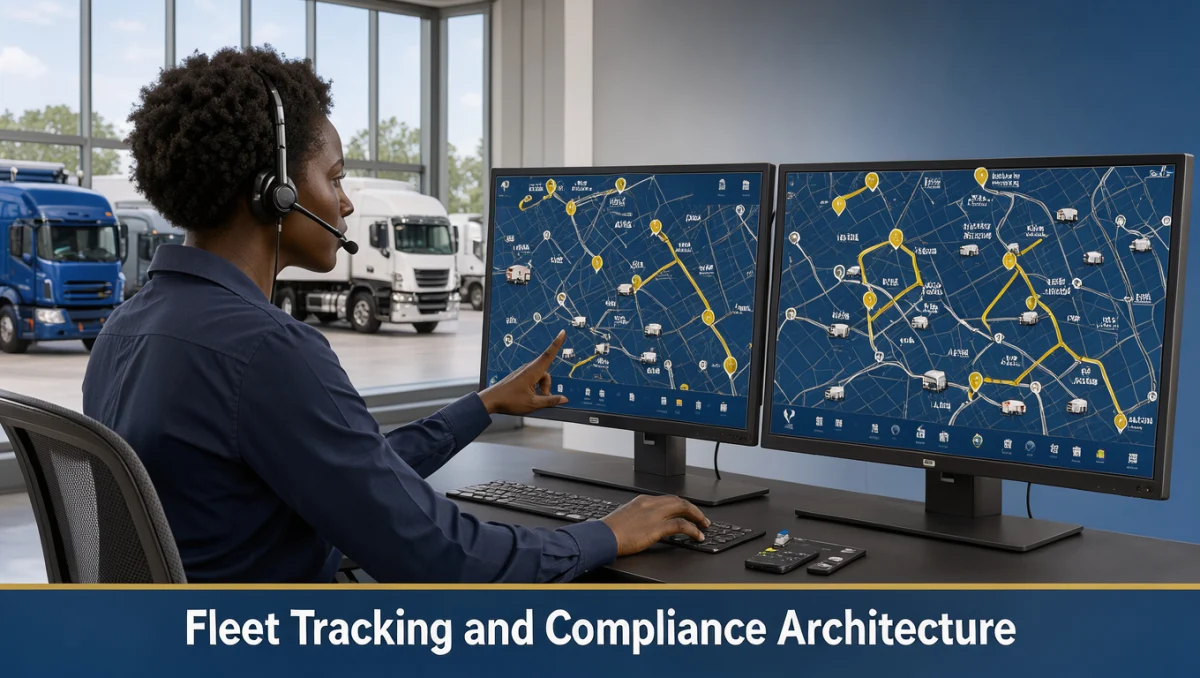
Commercial compliance platforms are defined by functional systems that automate driver duty tracking, vehicle inspections, and route monitoring. Rather than focusing on proprietary plan bundles, buyers should judge how these core functions handle everyday logistics.
3.1. Electronic Hours of Service Recording
Automated hours of service recording connects to the vehicle diagnostic port to detect engine motion, odometer readings, and operating hours. When the vehicle passes motion thresholds, the system switches the driver status to driving, which helps prevent retroactive log changes. Drivers can adjust non-driving statuses, such as on-duty not driving, sleeper berth, or off-duty, directly in the mobile interface.
For administrative staff, centralized compliance screens gather driver logs, flag missing certifications, and warn about potential violations before penalties occur. The admin portal also supports annotated log corrections when a duty period needs a legitimate manual explanation, keeping a clear audit trail for safety reviews.
3.2. Driver Vehicle Inspection Reporting
Daily vehicle condition reports are an essential safety requirement. The platform offers structured digital inspection workflows that drivers complete before departure and at the end of a shift. Drivers mark components such as brakes, lights, steering parts, and tires as satisfactory or defective.
When a driver logs a defect, the system flags the vehicle in maintenance views. Technicians can document repairs and sign off on corrections inside the software. This shared visibility helps keep unsafe vehicles off the road until issues are resolved.
3.3. Dispatch and Location Tracking
Real-time location monitoring lets dispatchers see vehicle positions on centralized digital maps. Dispatch managers use these coordinates to assign routes, estimate delivery times, and verify detention periods at loading docks. Automated location updates reduce phone calls between dispatchers and drivers, so drivers can stay focused on the road.
Historical route playback lets supervisors review transit paths, idle durations, and unscheduled stops. Location history helps resolve billing disputes over arrival timestamps and provides evidence when investigating cargo delays.
3.4. Fleet Safety and Behavior Monitoring
Connected hardware monitors aggressive driving events such as rapid acceleration, harsh braking, and sharp turns. Safety directors review aggregated event summaries to find habits that increase wear or collision risk. Spotting risky patterns early lets managers launch targeted driver coaching.
By combining sensor data with duty logs, the platform builds unified driver performance summaries. Safety leadership can set driver retention benchmarks and recognize drivers who maintain clean records over long periods.
4. Ease of Use and Learning Curve
Driver adoption is the biggest hurdle in any electronic compliance rollout. A complicated interface leads to resistance, logging errors at roadside stops, and heavier training demands for terminal staff. Assessing usability means looking at both the in-cab driver experience and the back-office console.
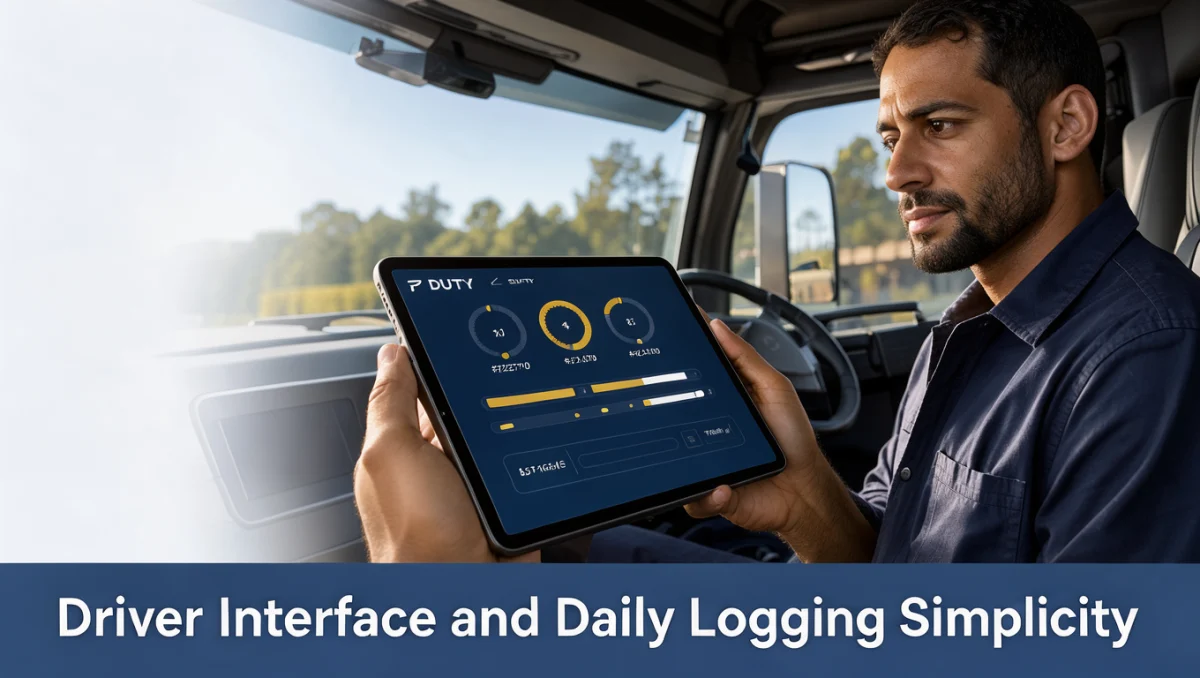
The driver mobile interface emphasizes high-contrast displays showing remaining driving time, on-duty hours, and cycle balances. Clear countdown timers help drivers plan mandatory rest breaks and fuel stops. In roadside inspection mode, administrative settings are locked, so officers can view required compliance data or receive logs electronically without access to non-public fleet communications.
For fleet managers, the admin dashboard shows aggregated fleet status through categorized menus. New safety managers, however, must move through several modules to adjust fleet-wide compliance rules, configure terminal time zones, and assign asset profiles. Carriers should budget structured onboarding sessions for dispatch staff to prevent configuration errors during deployment.
5. Pros and Cons of Motive ELD
Evaluating telematics technology means weighing regulatory convenience against operational obligations. Looking at both strengths and tradeoffs helps buyers set realistic expectations.
5.1. Operational Strengths
- An intuitive driver interface simplifies remaining duty time tracking and log certification.
- Standardized inspection workflows speed up maintenance reporting and mechanic sign-offs.
- Centralized asset mapping gives transparent location visibility across dispersed vehicles.
- Roadside inspection mode protects driver privacy by isolating required compliance data.
5.2. Practical Limitations
- Hardware depends on stable diagnostic connections and reliable mobile data signals.
- Fleet-wide rollouts require ongoing driver training to prevent uncertified log buildup.
- Multi-year service agreements often govern equipment use, limiting immediate cancellation flexibility.
- Hardware replacements and vehicle transfer cables need proactive administrative management.
6. Motive ELD vs Similar Fleet Management Tools
The telematics sector includes several prominent platforms built for commercial carriers. Understanding how Motive compares with common alternatives helps buyers choose the right software architecture.
Samsara focuses on comprehensive enterprise operations, serving large municipal, industrial, and national transport fleets that need extensive sensor arrays, complex routing logic, and advanced facility tracking. Motive, by contrast, concentrates on core commercial transport, freight logistics, and a streamlined driver logging experience.
Geotab operates mainly through open-platform diagnostic hardware sold via third-party authorized resellers. It offers deep engine diagnostics and relies on partner solutions for industry-specific functions. Motive offers a more unified ecosystem in which hardware, compliance software, and admin dashboards come from one provider.
Fleet operators should weigh whether they want an expansive enterprise IoT platform like Samsara, an open-architecture engineering tool like Geotab, or a compliance-focused transport management environment like Motive.
7. Who Should Choose Motive ELD
The right electronic logging system depends on fleet size, regulatory classification, and available administrative support. Different operating models get different benefits from the platform.
7.1. Long-Haul Freight Carriers
Long-haul operations must comply with multi-state duty cycles, sleeper berth splits, and interstate inspection rules. Motive gives drivers clear cycle countdowns that help avoid inadvertent violations on long corridors. Dispatchers benefit from continuous location updates when coordinating load handoffs.
7.2. Regional Delivery and Field Service Fleets
Regional fleets running box trucks, utility vehicles, and passenger vans benefit from standardized digital inspections and automated duty tracking. Service managers can confirm when crews reach customer sites without manual check-in calls, while keeping clean inspection records for safety audits.
7.3. Owner-Operators
Independent owner-operators running single tractors need straightforward logging that clears roadside inspections quickly. A clean mobile interface reduces administrative work after long shifts. Solo drivers should, however, review contract lengths carefully so that multi-year commitments match their business outlook.
7.4. When Motive Is Not the Best Fit
Operations running non-commercial vehicles that are exempt from statutory duty tracking usually do not need heavy compliance hardware. Likewise, temporary rental operations and short-term project fleets that cannot commit to term agreements should look at flexible, non-contract hardware alternatives.
8. How to Choose the Right Plan for Your Fleet
Subscription pricing for fleet telematics varies with fleet size, optional safety sensors, and reporting depth. Before committing budget, managers should check the official Motive pricing page and confirm the key contract terms.
| What to Check on the Official Website | Why It Matters for Your Fleet |
|---|---|
| Subscription commitment lengths | Long-term contracts can carry termination penalties if fleet size shrinks. |
| Diagnostic cable compatibility | Different engine types need specific harnesses; confirm hardware matches your vehicle models. |
| Cellular data network coverage | Log transfers and live tracking rely on cellular connections; confirm coverage on remote routes. |
| Hardware warranty and replacement terms | In-cab hardware failures cause compliance gaps; confirm replacement speed and costs. |
| Driver mobile license allocations | Verify whether driver app access is billed per driver profile or tied to vehicle hardware. |
Buyers can read this independent review alongside operational checklists to judge system reliability before requesting formal vendor quotes. Mapping out daily workflows before contract talks helps avoid paying for software modules you won't use.
9. Frequently Asked Questions
How should a fleet prepare drivers for electronic logs?
Fleet managers should run hands-on training covering status changes, editing unassigned driving time, and launching roadside inspection transfer mode. Clear procedures for end-of-day log certification prevent administrative backlogs and help drivers feel confident during roadside stops.
What equipment is needed in each commercial vehicle?
A standard setup needs a telematics gateway connected to the diagnostic port, the correct wiring harness, and a compatible display or smartphone running the driver app. Managers should confirm mobile devices have dependable mounts in the cab so the system runs continuously.
What should safety managers do during a roadside inspection?
Drivers should open the inspection mode in the mobile app before handing the device to an officer. This view shows only required duty records, protects admin settings, and supports electronic data transfer through standard regulatory channels.
How does maintenance documentation connect with daily inspections?
When a driver records a defective component on a daily inspection report, the software alerts the maintenance team in the admin dashboard. Technicians review the defect, document repairs, and sign off electronically before the vehicle returns to service.
What should operators review before signing a long-term telematics contract?
Buyers should confirm total contract length, auto-renewal notice windows, per-vehicle deactivation fees, and hardware warranty terms. Clarify how seasonal vehicles are handled so you aren't paying active subscription rates on trucks parked during off-peak months.
10. Final Verdict on Motive ELD
Motive ELD offers a dependable, compliance-focused telematics platform that meets rigorous duty tracking requirements while giving dispatchers clear operational oversight. Its intuitive driver interface is a real asset for carriers trying to reduce training friction during a technology rollout. Buyers should weigh multi-year commitments, hardware replacement policies, and cable requirements against their own fleet profile.
| Evaluation Criterion | Score /10 | Evaluation Rationale |
|---|---|---|
| Features | 8.5 / 10 | Comprehensive core tools for hours of service, digital inspections, and asset location mapping. |
| Ease of Use | 8.8 / 10 | Driver-centric mobile layout with straightforward timers and accessible roadside inspection mode. |
| Pricing and Value | 7.2 / 10 | Requires careful review of multi-year terms, hardware commitments, and possible renewal fees. |
| Integrations | 7.5 / 10 | Supports standard fleet workflows, though buyers should confirm specific back-office software links. |
| Audience Fit | 8.4 / 10 | Particularly suited to commercial trucking carriers and delivery fleets with strict compliance needs. |
| Support | 7.0 / 10 | Verify dedicated support channels and replacement turnaround times directly with the vendor. |
| Competitive Position | 8.0 / 10 | Holds a balanced position between heavy enterprise platforms and basic diagnostic add-ons. |
Overall Score: 7.9 / 10
For growing transport companies that prioritize driver compliance and practical safety oversight, Motive provides the functional base needed to keep clean safety records. Independent operators and smaller carriers should confirm contract flexibility on the vendor site before signing. For more software comparisons and editorial reviews, visit Best Coupon Blogs and explore our full library of technology guides.
Readers with questions about telematics evaluations or fleet management systems can contact our editorial team at https://bestcouponblogs.com/contact/ or follow bestcouponblogs on LinkedIn at https://www.linkedin.com/company/bestcouponblogs/.