Best Coupon Blogs may earn a commission when you purchase through links on this page, at no additional cost to you. Our ratings remain independent.
Deciding between these two email services comes down to how your team manages subscriber data, schedules deliveries and automates outreach. A campaigner email marketing vs mailchimp comparison helps clarify which platform matches your daily operations. Best Coupon Blogs prepared this side-by-side look to highlight the differences that matter most in practice.
Both tools aim to lift subscriber engagement through timed broadcasts and list segmentation. Campaigner leans toward disciplined campaign execution and structured delivery, while Mailchimp presents itself as a broader marketing hub that pairs newsletters with wider audience tools.
Our overall take: campaigner email marketing vs mailchimp is a close call, and Campaigner earns a 7.7 out of 10 from our reviewers. It suits teams that want dedicated email workflows and tight campaign controls. It is less suited to solo creators who want the quickest possible setup with minimal verification steps.
| Metric | Details |
|---|---|
| Best Coupon Blogs score | 7.7 / 10 |
| Best for | Organizations focused on dedicated email execution, advanced subscriber filtering and structured contact management |
| Not ideal for | Casual senders who want one-click templates or solo users sending occasional newsletters |
| Key strengths | Subscriber segmentation, recurring campaign automation, contact list management |
| What to check before buying | Review list size tiers, contact overage policies and workflow limits on the official vendor websites |
1. How Best Coupon Blogs Reviewed Campaigner and Mailchimp
This review examines what each platform is built to do, who it serves and how it stacks up against similar tools. We applied seven Best Coupon Blogs criteria: features, ease of use, pricing and value, integrations, audience fit, support and competitive position. Plans, prices and limits change frequently, so we flag what to confirm on each official website before purchasing. This article was researched and drafted with AI assistance, then reviewed and edited by the Best Coupon Blogs Editorial Team.
2. Short Answer: The Core Differences
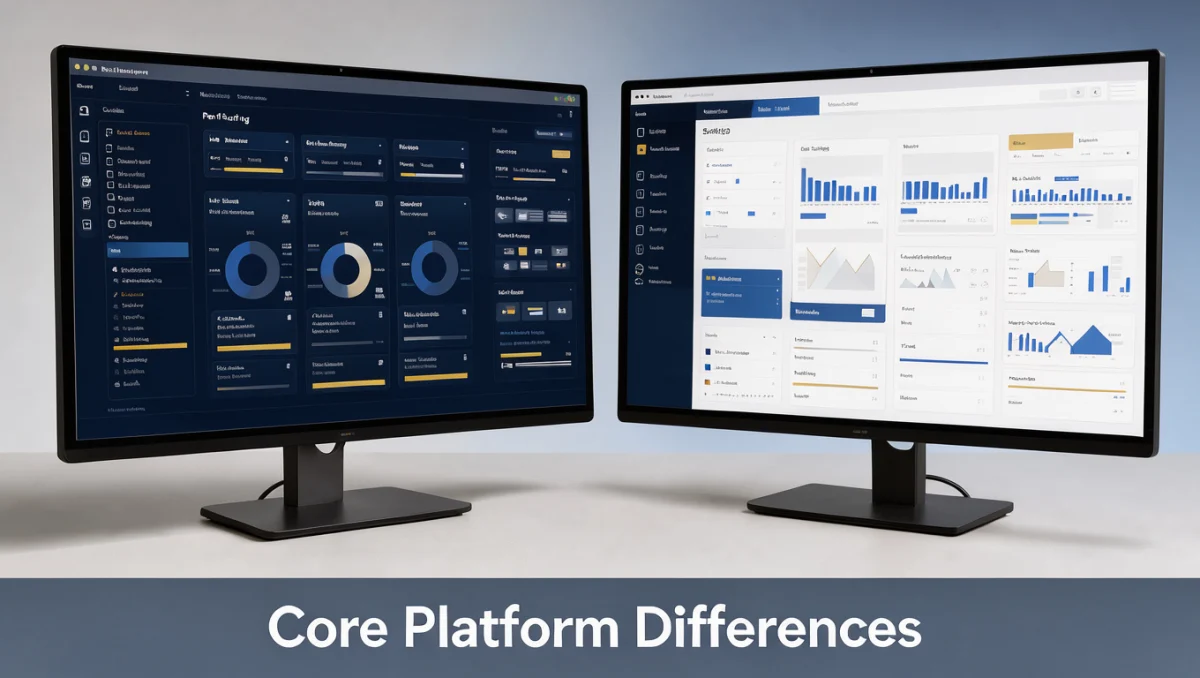
Your choice depends on whether you need a dedicated email marketing platform or a wider marketing suite. Campaigner concentrates on list segmentation, campaign delivery and message personalization for recurring marketing operations. Mailchimp organizes its software around audience relationship management, landing pages and cross-channel campaigns.
Buyers reviewing the wider marketing software category should decide whether deep subscriber segmentation or multi-channel breadth is the higher priority. Each platform handles contact organization and template editing differently, which shapes everyday team productivity.
| Tool | Best for | Core strength | Consider if |
|---|---|---|---|
| Campaigner | Growing teams that need advanced list segmentation | Detailed subscriber targeting and delivery controls | You want focused email operations with structured list management |
| Mailchimp | Small businesses seeking multi-channel marketing tools | Integrated audience management and visual builders | Your team wants landing pages and social posting alongside newsletters |
3. Detailed Comparison Across Evaluation Criteria
3.1. Features
Campaigner offers email design tools, list segmentation, autoresponders and reporting on open rates and click behavior. Users can build layered subscriber filters based on interaction history and custom contact fields, which makes the platform effective for recurring promotional schedules and segmented drip sequences.
Mailchimp provides drag-and-drop template editors, pre-built customer journey maps, audience tagging and signup forms. It also includes tools for landing page creation and basic social media scheduling. Compare the depth of workflow automation on both official websites to confirm your target triggers are supported without higher-tier add-ons.
3.2. Ease of Use
Campaigner uses a traditional dashboard organized around contact lists, message creation and sending schedules. Teams used to conventional email software will find it easy to navigate, although configuring multi-condition audience filters takes patience during initial setup.
Mailchimp emphasizes a visual interface with guided steps for building campaigns and automated journeys. Beginners often find the visual builder intuitive for standard newsletters, but managing audience tags across many campaigns can add complexity as contact lists grow.
3.3. Pricing and Value
Email platforms generally scale costs by contact volume, sending limits or feature access. Subscription structures vary between monthly base plans and tiered contact thresholds, so neither platform should be judged on introductory rates alone.
Verify subscriber count policies on the official Campaigner pricing page and the official Mailchimp pricing page. Some providers count unsubscribed or duplicate contacts toward billing thresholds, while others tally only active recipients. Confirming these calculations prevents unexpected charges as your list expands.
3.4. Integrations
Integrations determine how easily an email tool exchanges data with e-commerce platforms, customer relationship managers and form builders. Both Campaigner and Mailchimp offer integration capabilities, though the directness of connections differs.
Rather than assuming a specific third-party connection is included, check the official app directory for each vendor before committing. If your business depends on syncing purchases or CRM records, confirm whether data syncs require third-party connector subscriptions or custom webhooks.
3.5. Audience Fit
Campaigner suits marketing teams that treat email as a core sales channel. It serves organizations that need detailed contact management, scheduled promotional broadcasts and targeted list filtering, and teams that value disciplined campaign scheduling will appreciate its focused toolset.
Mailchimp serves small business owners, freelancers and growing brands that want an all-around communication tool. Teams that value pre-built designs, visual customer journeys and supplementary tools like landing pages will find it better suited to broader outreach.
3.6. Support
Support availability can affect campaign deadlines, especially during technical verification or delivery troubleshooting. Vendors offer varying support tiers, including knowledge bases, chat and email assistance.
Confirm current response times and contact channels directly on each official vendor page. Check whether live assistance requires a particular plan tier so your team can get help during critical sending windows.
3.7. Competitive Position
In the broader email marketing landscape, Campaigner holds a focused position for structured email practitioners. It competes by delivering reliable campaign controls without peripheral tools that complicate navigation.
Mailchimp positions itself as a broad marketing platform for businesses that want several marketing tools under one subscription. Each tool targets different buyer preferences, so align the choice carefully with your organizational workflow.
4. How to Decide Between Campaigner and Mailchimp
Selecting the right platform means assessing your team's capabilities, list structure and communication goals. A systematic evaluation helps you avoid a costly migration later.
- Assess your primary channel: If email is your sole focus, Campaigner provides dedicated campaign controls. If you also need social posting and landing pages, evaluate Mailchimp.
- Review audience complexity: Teams with extensive custom contact fields and layered segmentation should verify Campaigner's list capabilities.
- Calculate true list volume: Check official billing definitions for active versus inactive subscribers on both websites.
- Inspect team workflow: Test whether your staff prefers traditional list-based navigation or visual drag-and-drop builders.
5. Frequently Asked Questions
How should a business evaluate contact list limits before subscribing?
Review the official pricing pages to see whether contact tiers charge for unsubscribed addresses or duplicate entries across lists. Understanding overage fees keeps software expenses predictable as your audience grows.
What determines the learning curve for an email marketing platform?
The learning curve depends on interface structure, template editing and automation logic. Visual builders shorten onboarding for simple newsletters, while advanced conditional segmentation takes more time to configure on any platform.
Why verify integration requirements before switching platforms?
Checking official integration directories ensures your CRM, checkout forms and analytics tools exchange data smoothly. Missing native integrations may require third-party middleware, adding complexity and cost to your software stack.
How do team roles affect the choice of email marketing software?
Multi-member teams often need role-based permissions, draft approval stages and separate sending authorizations. Verify user permission structures on the official product pages to avoid workflow bottlenecks.
6. Final Verdict

| Criterion | Score / 10 | Reason |
|---|---|---|
| Features | 8.2 | Robust segmentation and autoresponder capabilities tailored to structured email campaigns |
| Ease of Use | 7.4 | Functional interface that takes some time to master for complex filter configurations |
| Pricing and Value | 7.6 | Requires verifying contact calculation rules and list overage thresholds on the official site |
| Integrations | 7.2 | Connects with key business platforms, though users must confirm specific software compatibility |
| Audience Fit | 8.0 | Well matched for dedicated email marketers who need targeted subscriber list controls |
| Support | 7.5 | Assistance options depend on plan level, so check the official vendor portal |
| Competitive Position | 7.7 | Steady positioning as a dedicated email solution against all-in-one marketing suites |
Overall Best Coupon Blogs score: 7.7 / 10
For small businesses seeking a versatile marketing suite with landing pages and visual templates, Mailchimp is an adaptable option. For teams focused on deep subscriber segmentation and structured campaign delivery, Campaigner is a solid platform. Confirm your contact counts and feature requirements on both official websites before deciding.
If you have questions about choosing the right software or want personalized recommendations, contact our editorial team at https://bestcouponblogs.com/contact/ or connect with Best Coupon Blogs on LinkedIn at https://www.linkedin.com/company/bestcouponblogs/.