bestcouponblogs may earn a commission when you buy through links on this page, at no extra cost to you. This does not affect our ratings.
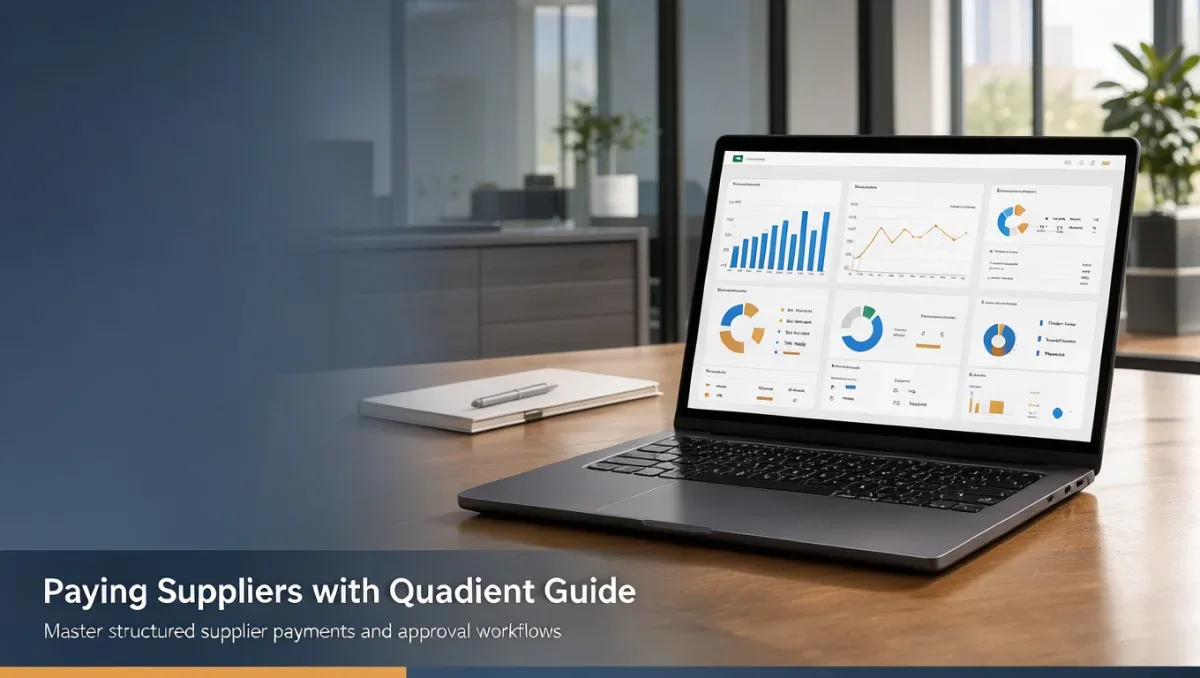
Settling supplier invoices with Quadient starts with clean vendor master data, invoices checked against approved orders, and disbursements released through controlled electronic channels. Finance teams often adopt accounts payable automation software once manual verification and disconnected spreadsheets begin causing late settlements or audit concerns. At bestcouponblogs, we review business tools objectively to help finance leaders work through complicated setups with confidence.
Knowing how to pay suppliers with Quadient helps organizations keep consistent oversight of outgoing funds and avoid duplicate records across internal ledgers. Current payables platforms bring together vendor correspondence, invoice intake, and payment execution so each transaction remains traceable. Building these routines deliberately protects vendor relationships while freeing accounting staff from repetitive tasks.
Quick answer: Automated supplier payments with Quadient generally follow four core stages: confirming vendor bank information, capturing incoming bills and matching them to purchase orders, obtaining required internal sign-offs, and sending payments through approved electronic channels before posting final settlement entries to your central general ledger.
| Evaluation area | Operational requirement |
|---|---|
| Who this guide is for | Finance managers, accounts payable clerks, and controllers responsible for vendor disbursements. |
| What you need before starting | Active vendor bank records, tax documentation, approved purchase orders, and internal disbursement policies. |
| What you will have at the end | A repeatable settlement routine with documented approval checkpoints and reconciled payment batches. |
1. How bestcouponblogs Put This Guide Together
This guide blends a review of the features this software is designed to deliver with the bestcouponblogs buying framework, helping you choose the option that suits your operation. Pricing, plan tiers, and usage limits change frequently, so confirm current details on the official website before purchasing. This article was researched and drafted with AI assistance, then reviewed and edited by the bestcouponblogs Editorial Team.
2. Before you start
Before running any payment cycle, your team should gather essential company documentation and set clear role boundaries. In modern Accounting departments, separation of duties protects company funds by ensuring one person cannot both create a vendor profile and approve a payment batch.
- Verified supplier payment instructions: Collect confirmed bank account details, routing codes, remittance email addresses, and completed tax forms directly from authenticated supplier contacts.
- Defined approval hierarchies: Set clear spending limits for department managers, financial controllers, and executive officers within your internal governance policies.
- Configured bank connection: Confirm on the official Quadient website how your banking partners exchange transaction files and process outbound settlement files.
- Matched purchase documentation: Make sure corresponding purchase orders and delivery receipts are filed for every open supplier invoice.
3. Step-by-step workflow
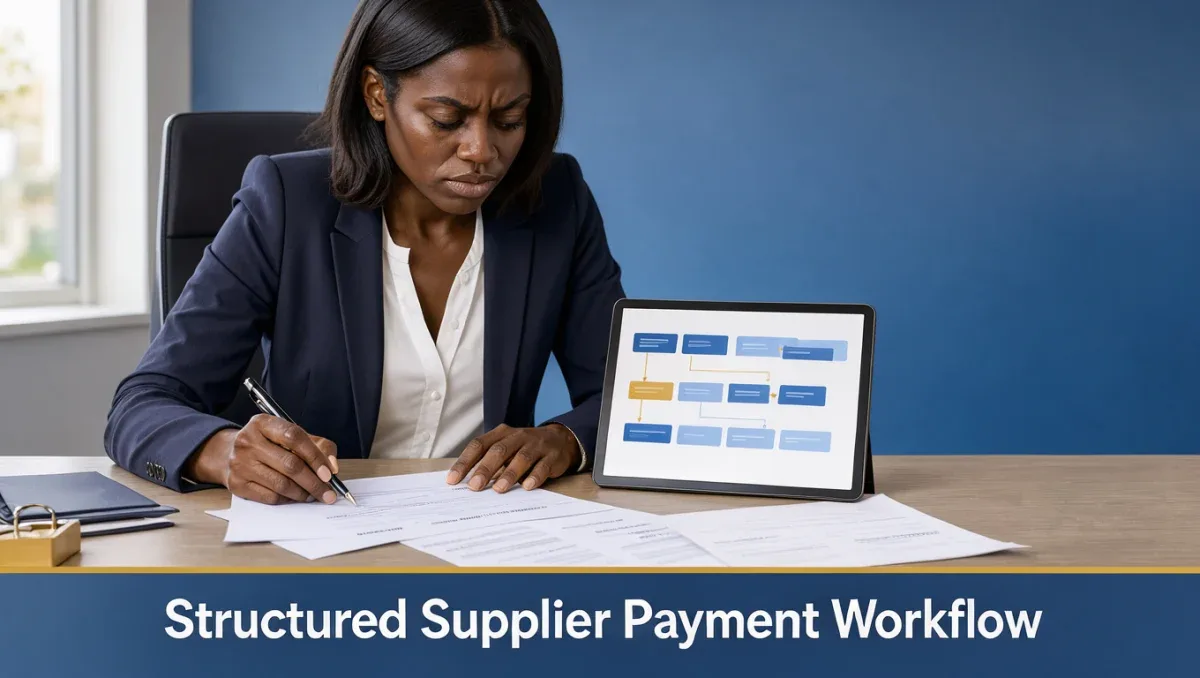
Carrying out vendor payments means following a sequence of verification, validation, and settlement actions in order. Check the exact interface guidance in the official Quadient documentation to match these principles to your live setup.
- Verify supplier master records: Compare supplier banking details against confirmed onboarding documents to prevent fraudulent redirection of company funds.
- Ingest and index pending invoices: Capture invoice data into your payables queue and match line items to the relevant purchase order and delivery receipt.
- Resolve price and quantity discrepancies: Send any gap between billed amounts and agreed purchase orders back to department purchasers before scheduling payment.
- Assign multi-tier payment approvals: Route verified payment requests through your established supervisory chain so designated managers approve based on invoice value.
- Group transactions into disbursement batches: Combine approved supplier obligations by payment method and due date to optimize settlement timing and preserve working capital.
- Transmit settlement instructions: Release the authorized payment batch through your connected banking network or integrated corporate payment channel.
- Reconcile transaction records: Match processed disbursement confirmations against outgoing bank statements and post settlement entries to your main chart of accounts.
4. Your first 30 days

A reliable supplier payment rhythm develops through steady iteration during early rollout. The bestcouponblogs team recommends a phased plan across your first month to validate transaction accuracy without disrupting critical supplier relationships.
| Week | Routine to build | Why it matters |
|---|---|---|
| Week 1 | Audit supplier master files and verify payment credentials. | Prevents payment rejections and protects capital from incorrect routing data. |
| Week 2 | Process small test batches with low-value recurring vendor bills. | Allows staff to confirm approval routing logic without exposing large cash balances. |
| Week 3 | Introduce standard weekly batch runs for general suppliers. | Establishes predictable working capital cycles and streamlines accounts payable workload. |
| Week 4 | Conduct full ledger reconciliation and review audit logs. | Ensures external banking records align with internal accounting entries. |
5. Common mistakes and how to avoid them
Automation reduces manual workload, but procedural lapses can still create financial problems when controls weaken. Keeping disciplined review habits guards against the most frequent pitfalls in recurring payment cycles.
- Skipping out-of-band vendor verification: Never change supplier bank details based only on an emailed request without independently confirming the change through a known telephone contact.
- Bypassing multi-person approvals for urgent invoices: Rushing payments past established review thresholds creates compliance gaps and invites duplicate disbursements.
- Ignoring partial credit notes: Always reconcile credit memos and early payment discounts before authorizing net payment amounts to avoid overpaying accounts.
- Postponing bank reconciliation: Delaying general ledger reconciliation leaves unresolved bank discrepancies unnoticed until end-of-month reporting deadlines arrive.
6. When to ask for help
Although software handles much of the payment logistics, some obstacles call for outside expertise or vendor support. Spotting these situations early protects your cash flow.
- Complex cross-border tax withholding: Consult a certified public accountant when scheduling international supplier payments subject to local statutory withholdings or complex cross-border remittance rules.
- Unresolved banking transmission failures: Reach out to your commercial bank relationship manager if automated payment files return unexplained technical clearing errors.
- Platform configuration challenges: Confirm workflow guidance in the official Quadient knowledge base whenever custom approval hierarchies or ERP field mappings cause synchronization errors.
- Suspected security discrepancies: Engage your corporate security team immediately if mismatched vendor banking data appears across consecutive disbursement files.
7. Frequently asked questions
What information should teams gather before issuing a supplier payment?
Teams need authenticated supplier bank details, verified tax identification documents, approved purchase orders, and receiving documentation. Having these items organized before batch creation prevents settlement rejections and maintains clean financial audit trails.
Why is dual authorization important for accounts payable disbursements?
Dual authorization ensures that no single employee can both enter payment details and release funds. This separation of duties prevents internal fraud, catches accidental data entry errors, and maintains strict compliance with financial governance standards.
Which steps help prevent duplicate payments to vendors?
Verifying supplier invoice numbers against previously cleared records and enforcing strict purchase order matching prevent double disbursements. Organizations should also centralize invoice intake so duplicate copies submitted via different channels are detected immediately.
When should an organization reconcile its supplier payment batches?
Finance teams should reconcile payment batches as soon as bank settlement confirmations become available, ideally within two business days. Prompt reconciliation ensures that failed disbursements are identified quickly and prevents discrepancies between your bank statement and accounts payable ledger.
8. Next steps
Setting up an efficient supplier payment process takes ongoing oversight and disciplined recordkeeping. Acting on the points in this guide will help your organization tighten its payment workflows.
- Review your existing supplier master directory to identify outdated contact details and unverified banking records.
- Document your formal approval matrix and confirm authorization thresholds with your internal audit department.
- Visit the official Quadient support resources to verify technical requirements for your specific general ledger environment.
- Schedule a routine review with your procurement team to streamline purchase order matching rules across recurring vendor contracts.
Have a question about choosing software? Send it to the bestcouponblogs team through our contact page or follow bestcouponblogs on LinkedIn for new reviews and comparisons.