bestcouponblogs may earn a commission when you buy through links on this page, at no extra cost to you. This does not affect our ratings.
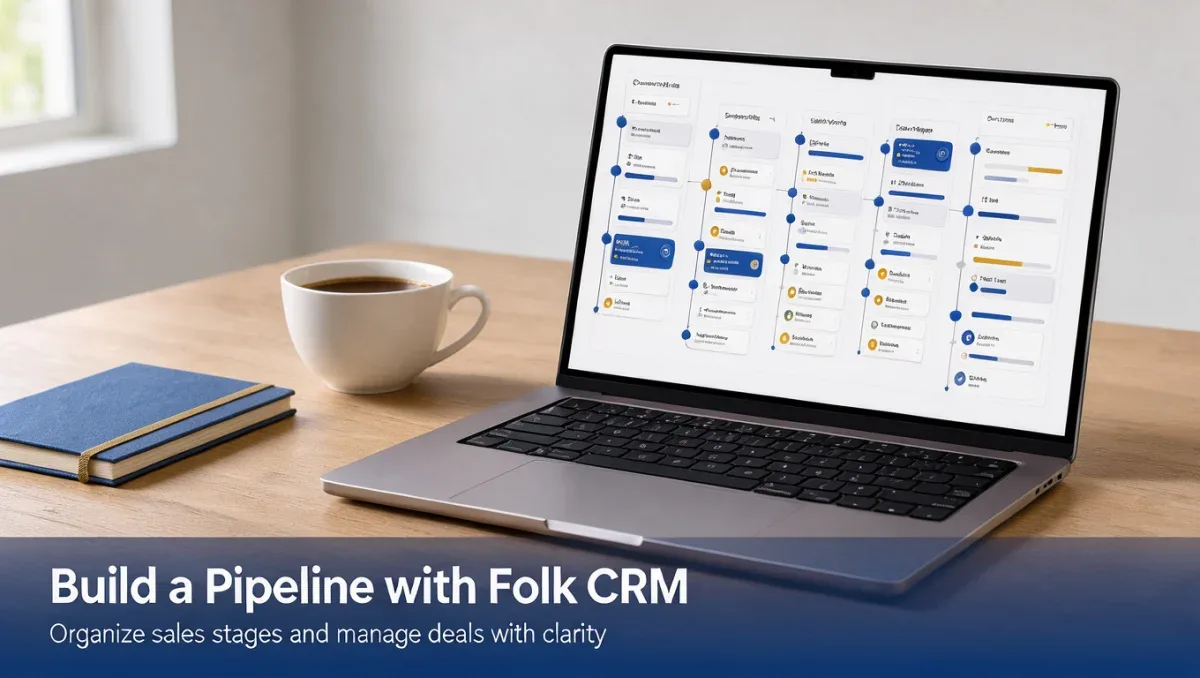
Creating a pipeline in Folk CRM begins with translating how your prospects actually move through conversations into a visual, stage-based view. At Best Coupon Blogs, we review productivity and relationship management tools to help growing teams build workflows that run smoothly from day one.
A well-structured pipeline gives founders, consultants, and sales professionals one place to follow every opportunity from the first message to the signed agreement. Getting your stages right early keeps deal histories tidy and stops follow-ups from slipping as your list grows.
Quick answer: To build a pipeline in Folk CRM, import qualified contacts, define a short sequence of stages, add fields for deal value and close timing, and log every interaction consistently. Clear rules for moving a prospect between stages, combined with a weekly pipeline review, keep conversations progressing toward a decision.
| Element | Details |
|---|---|
| Who this guide is for | Freelancers, small business owners, and agency founders organizing client acquisition. |
| What you need before starting | A clean list of prospect contacts, defined deal milestones, and target deal values. |
| What you will have at the end | A functional, organized sales pipeline that tracks prospective revenue and relationship history. |
1. How Best Coupon Blogs Put This Guide Together

This guide pairs what the software does with the Best Coupon Blogs buying framework, so you can choose the setup that suits your business. Plans, prices, and limits change frequently, so check the official website before you commit. This article was researched and drafted with AI tools, then reviewed and edited by the Best Coupon Blogs Editorial Team.
2. Before you start
Solid groundwork prevents messy contact databases and keeps your pipeline aligned with real revenue opportunities. Gather these assets before configuring Folk CRM:
- A clean contact inventory: Compile prospect records, company names, email addresses, and decision-maker titles in a spreadsheet and check them for accuracy.
- Documented qualification criteria: Decide what qualifies an inquiry for active negotiation so cold prospects don't crowd your pipeline.
- Stage milestone definitions: Set three to six clear milestones that describe exactly where a conversation stands, such as Lead, Discovery Call, Proposal Sent, and Won.
- Field specifications: Choose the attributes that matter most for reporting, such as estimated deal value, expected close date, and deal owner.
- Access credentials: Confirm that team members handling sales outreach have the right workspace permissions on the official Folk website.
3. Step-by-step workflow

Setting up an effective workflow in Folk CRM takes five stages. Follow this order to bring clarity and consistency to your deal management:
- Prepare your contact records: Remove duplicate entries and verify contact details before importing, so your database starts out organized.
- Create your pipeline structure: Set up a column for each stage of your sales cycle, naming each stage after an observable action rather than an assumption.
- Configure essential property fields: Add tracking attributes such as deal amount, target close date, primary contact, and lead source so every record carries key commercial context.
- Populate existing opportunities: Move qualified contacts into the stage that matches their current negotiation status, checking each assignment against recent email exchanges.
- Establish interaction routines: Log notes, schedule reminders, and record touchpoints against each contact so your whole team sees the full history.
Browsing Sales resources on Best Coupon Blogs can help professionals find modern software practices that keep operations simple and reliable.
4. Your first 30 days
Building disciplined habits in the first month keeps your pipeline an accurate reflection of expected revenue. Use this four-week framework to stay consistent:
| Week | Routine to build | Why it matters |
|---|---|---|
| Week 1 | Daily contact entry and stage assignment for incoming leads | Prevents backlog and ensures new inquiries receive timely first contact. |
| Week 2 | Midweek audit of property fields and missing deal values | Keeps forecasts accurate and flags incomplete prospect files. |
| Week 3 | Weekly pipeline review to identify stalled conversations | Surfaces opportunities that need follow-up before prospects lose interest. |
| Week 4 | Monthly cleanup of inactive or lost opportunities | Clears clutter from active views so your attention stays on viable deals. |
5. Common mistakes and how to avoid them
Many teams run into avoidable problems when setting up relationship-driven sales tracking. Watch for these errors as you configure Folk CRM:
- Creating too many stages: More than six or seven stages creates confusion; keep stages concise and tied to clear milestones in the buyer journey.
- Neglecting stale records: Leaving unresponsive prospects in active stages distorts revenue forecasts; archive or mark inactive deals promptly.
- Inconsistent data entry: Missing deal values or meeting notes leave teammates uninformed; set standard guidelines for logging every conversation.
- Skipping official documentation checks: Features, record limits, and collaboration settings can vary by plan, so confirm current capabilities on the official Folk website.
6. When to ask for help
You can manage a pipeline internally for a long time, but certain growth points call for outside expertise or direct vendor input:
- Data migration complexity: If you are moving thousands of contacts from a legacy database, work with a data specialist to prevent record corruption.
- Advanced sales process design: When expanding an outbound team across several regions, a sales operations consultant can help design multi-stage funnels.
- Account and permission questions: For inquiries about user roles, team access rules, or subscription limits, contact the official Folk support team through the official Folk website.
7. Frequently asked questions
What information should be prepared before importing contacts into Folk CRM
A clean spreadsheet with verified email addresses, prospect names, company affiliations, and current conversation status saves a lot of setup time. Removing duplicates beforehand keeps your contact database uncluttered from the start.
How many pipeline stages work best for a small sales team
Most small teams stay clear with four to six distinct stages, typically lead qualification, initial discovery, proposal submission, negotiation, and closed status.
Should non-sales contacts be kept in the same pipeline
Separating groups into different views or pipelines keeps your active sales workflow free of clutter. Investors, hiring candidates, and partners are better tracked in dedicated lists, so revenue projections reflect only qualified commercial prospects.
When should an opportunity be moved to a lost stage
Move an opportunity to a lost or closed stage when a prospect clearly declines or stops responding after several structured follow-ups. Archiving these contacts keeps your daily focus on prospects who are still engaged.
8. Next steps
Now that you know how to build a sales pipeline with Folk CRM, keep the momentum going with these actions:
- Review your current prospect communications and assign each contact to the matching milestone stage.
- Set a recurring weekly calendar slot to review stalled opportunities and plan follow-up outreach.
- Confirm plan limits, seat policies, and collaboration options on the official Folk pricing page before adding more team members.
Have a question about choosing software? Reach the Best Coupon Blogs team through our contact page, or follow us on LinkedIn for new reviews and comparisons.