bestcouponblogs may earn a commission when you buy through links on this page, at no extra cost to you. This does not affect our ratings.
Many merchants start looking for feedvisor alternatives when they need lighter pricing structures, simpler setup, or tools built around multichannel inventory. The right repricing and marketplace software depends on your catalog size, operational complexity, and the channels you sell on. At Best Coupon Blogs, we review business software so merchants can compare options clearly.
Feedvisor is designed for enterprise sellers who want algorithmic pricing and advertising intelligence together. Growing sellers, however, often prefer focused tools that fit their daily selling routines, so they pay only for the features they actually use.
Quick answer: Leading options include Seller Snap for game-theory repricing, Repricer.com for merchants across several marketplaces, and Aura or Bqool for operators who want focused Amazon repricing routines. Your best pick depends on whether you prioritize multichannel coverage, specific pricing strategies, or streamlined daily catalog management.
| Alternative | Switch to it if | Main trade-off |
|---|---|---|
| Seller Snap | You want game-theory repricing focused on Amazon competitive behavior. | You prioritize Amazon over multichannel selling platforms. |
| Repricer.com | You sell across multiple distinct marketplaces beyond Amazon. | You need to coordinate cross-channel inventory and pricing rules yourself. |
| Aura | You want an automated repricing platform focused on core Amazon workflows. | You require advanced enterprise consulting or full-service ad management. |
| Bqool | You prefer rule-based and conditional repricing flexibility for targeted catalogs. | You manage high-complexity custom enterprise bidding strategies. |
1. How Best Coupon Blogs Put This Guide Together
This guide combines what the software covered here is built to do with the Best Coupon Blogs buying framework, so you can make the decision that fits your business. Plans, prices, and limits change often, so we point out what to confirm on each official website before you buy. This article was researched and drafted with the help of AI tools, then reviewed and edited by the Best Coupon Blogs Editorial Team.
2. Why People Look Beyond Feedvisor
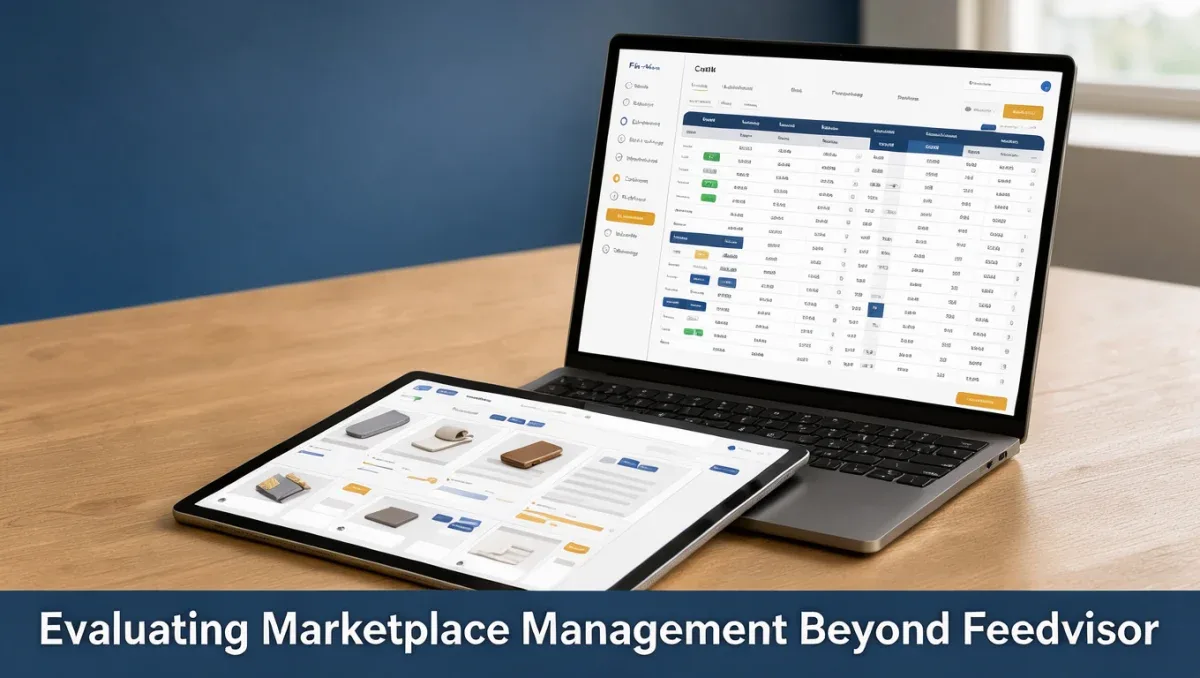
Feedvisor focuses on enterprise marketplace sellers, large brands, and organizations that need algorithmic repricing paired with advertising optimization. For businesses with modest catalogs or specialized multichannel needs, enterprise platforms can add operational friction. Complex configurations often demand dedicated administrative time that smaller teams cannot spare.
Another common consideration is scope. When companies evaluate E-commerce repricing platforms, many find that paying for bundled advertising intelligence or managed account services does not match their internal resources. A more focused tool lets teams manage repricing directly while keeping overhead manageable.
- Enterprise platforms often require dedicated team members to configure and monitor complex algorithmic rules.
- Merchants expanding to non-Amazon channels frequently seek platforms built for varied marketplace ecosystems.
- Sellers who want direct control over repricing rules often prefer tools with straightforward configuration routines.
3. Switching Triggers
Deciding to migrate from one repricing platform to another should stem from specific operational bottlenecks. Reviewing these triggers helps you identify which category of alternative matches your current priorities.
| Reason you want to switch | Type of alternative to consider | What to check first |
|---|---|---|
| Expansion beyond Amazon to other marketplaces | Multichannel repricing software | Verify supported sales channels and currency handling on the official website. |
| Desire for game-theory repricing logic | Automated algorithmic Amazon repricer | Confirm strategy customization options on the provider's official plan comparison page. |
| Preference for manual rule creation and conditional triggers | Rule-based repricing software | Check rule limit structures and minimum update intervals with the vendor directly. |
| Need for faster operational onboarding | Focused specialist repricing software | Examine available documentation and administrative setup requirements on official product pages. |
4. The Alternatives
When reviewing potential feedvisor alternatives, consider how each candidate matches your team size, sales volume, and marketplace focus. Below are the primary options available for modern e-commerce operators.
4.1. Switch from Feedvisor to Seller Snap if You Prioritize Game-Theory Repricing
Seller Snap positions itself as an automated repricing platform for Amazon sellers who want game-theory technology. It targets merchants who want the software to analyze competitor behavior dynamically and avoid destructive price wars. The main trade-off is its focus on Amazon, which makes it less suitable for businesses that need uniform rules across several platforms. Before migrating, review the official Seller Snap catalog limits and tier structures to confirm that your inventory size fits its plan specifications.
4.2. Switch from Feedvisor to Repricer.com if You Manage Multiple Sales Channels
Repricer.com is built for multichannel merchants selling across Amazon, eBay, and independent web stores. It provides centralized repricing management across distinct platforms, serving retailers who need cross-channel price parity. The primary trade-off is the added effort required to maintain varied channel configurations at the same time. Confirm on the official Repricer.com website how extra channel connections and SKU volumes affect subscription terms before you decide.
4.3. Switch from Feedvisor to Aura if You Want Streamlined Amazon Repricing
Aura targets Amazon merchants who want focused algorithmic repricing without enterprise-level overhead. The platform emphasizes automated Buy Box pursuit and straightforward daily administration. The trade-off is that it concentrates on Amazon repricing rather than full-funnel advertising management or agency services. Check the official Aura documentation for inventory threshold guidelines and account connection policies.
4.4. Switch from Feedvisor to Bqool if You Want Structured Rule Control
Bqool serves Amazon sellers who value conditional repricing logic, historical tracking, and flexible rule combinations alongside algorithmic options. It suits catalog managers who want precise control over how prices move based on competitor fulfillment types. The trade-off is that custom rule management requires consistent monitoring from your staff. Confirm on the official Bqool pricing page how repricing speed and active SKU allocations vary across plan tiers.
5. How to Switch Without Losing Data
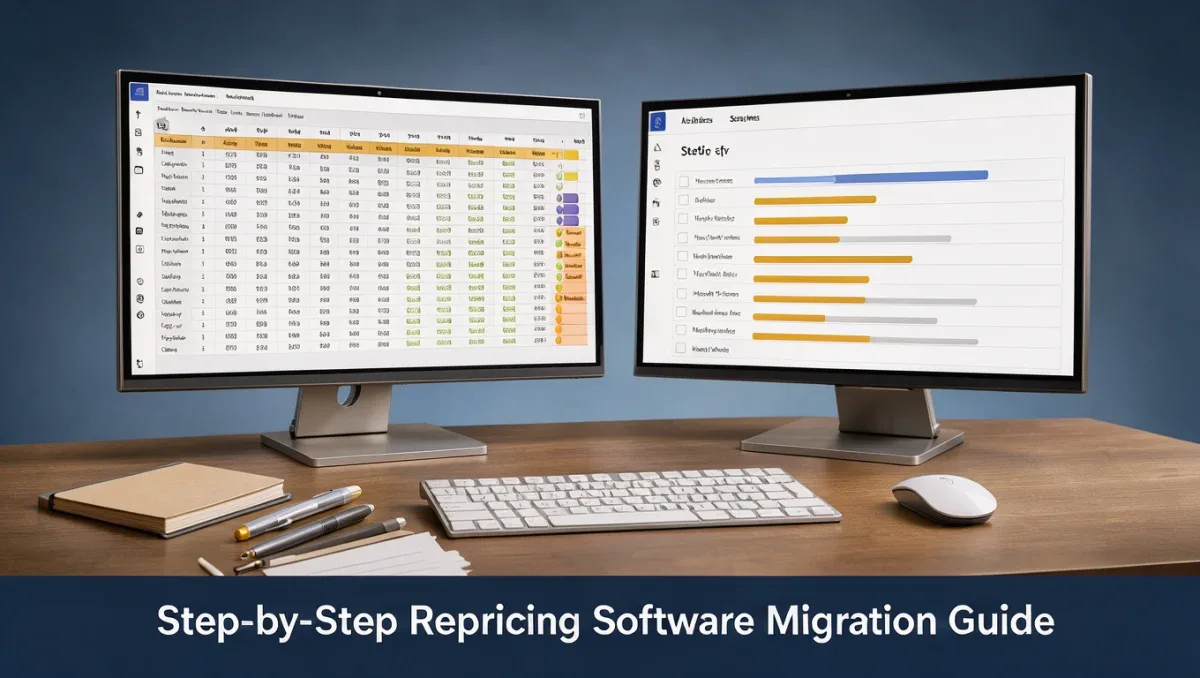
Migrating between repricing solutions requires careful preparation to avoid pricing errors or inventory disruption during the transition. A structured migration plan protects your profit margins throughout the process.
- Audit and export your existing pricing boundaries, including minimum floor prices and maximum ceiling prices, into a secure backup spreadsheet.
- Verify that your target alternative supports your current inventory identifiers and channel configurations by reviewing its official integration checklist.
- Configure floor and ceiling prices in the new platform while keeping repricing automation paused, so nothing updates live before validation.
- Run a parallel test on a small sample of non-critical inventory for several days to observe how the new software applies price updates.
- Disable repricing actions in Feedvisor completely once testing is done, then activate live automation on your chosen alternative.
- Monitor listing activity and marketplace notifications closely during the first week to confirm that all SKU price adjustments stay within your defined profit margins.
6. Frequently Asked Questions
6.1. When Does It Make Sense to Stay With Feedvisor Instead of Switching?
Staying with Feedvisor makes sense for large enterprise brands that rely heavily on unified repricing and integrated advertising intelligence. If your business operates at an organizational scale where dedicated account advisory and proprietary demand-based modeling are essential daily workflows, an enterprise platform remains appropriate.
6.2. How Much Staff Effort Does Changing Repricing Platforms Require?
Switching platforms generally requires several days of preparation to export SKU parameters, define pricing floors, and verify integration connections. The overall workload depends mainly on your total catalog size and whether you need to train team members on new administrative routines across your selling channels.
6.3. What Data Should Sellers Prepare Before Starting a Migration?
Sellers should compile accurate cost of goods sold, minimum viable price thresholds, maximum price caps, and target profit percentages for every active listing. Having these figures organized in advance prevents repricing mistakes and keeps your new platform within secure commercial guardrails from day one.
6.4. Can a Business Run Two Repricing Platforms at the Same Time?
Running two automated repricers on the same marketplace account and SKU list at once creates conflicting API calls and unpredictable price swings. If you want to test a new tool, assign non-overlapping catalog segments to each system, or evaluate the alternative with automated publishing paused until your review is complete.
7. Bottom Line
Choosing among the available feedvisor alternatives comes down to matching your operational scope with the right software category. Enterprise brands with integrated advertising demands may justify complex platforms, multichannel retailers will likely fit better with Repricer.com, and focused Amazon sellers can benefit from the targeted logic of Seller Snap, Aura, or Bqool. For broader software evaluations across business tools, visit E-commerce resources at Best Coupon Blogs to plan your software stack responsibly.
Have a question about choosing software? Send it to the Best Coupon Blogs team through our contact page, or follow us on LinkedIn for new reviews and comparisons.