Editorial disclosure: We may collect affiliate remuneration when readers purchase through our published links, which never alters our objective evaluation standards.
Assessing modern amplemarket features reveals a unified system engineered to bridge contact intelligence, sequence automation, and sales communication under one umbrella. As outbound acquisition grows increasingly technical, modern revenue groups must look past promotional claims to see how well an application manages day-to-day prospect workflows. Here at Best Coupon Blogs, our team scrutinizes B2B sales utilities by evaluating real operating overhead, daily team demands, and software reliability.
Rather than jumping between disconnected lead databases and email dispatch systems, modern sales forces need cohesive tooling that safeguards sender reputation while keeping manual entry minimal. Below, we break down how this outbound platform performs in actual execution so your commercial leaders can determine if it matches your pipeline strategy.
Executive summary: The platform receives an aggregate rating of 7.6/10. It suits outbound sales squads requiring built-in B2B intelligence alongside multichannel cadences. Conversely, it is ill-fitted for individual operators requiring sporadic single-message delivery or businesses preferring bare-bones contact address books.
| Evaluation Metric | Operational Assessment |
|---|---|
| Overall Rating | 7.6/10 |
| Optimal Target | Outbound squads seeking combined data discovery and automated multichannel cadences |
| Suboptimal For | Single operators needing rare messaging or businesses wanting low-configuration setups |
| Primary Advantage | Direct alignment between prospective buyer enrichment, automated emailing, and calling tasks |
| Pre-purchase Tip | Check official vendor resources to clarify seat floors, search credit caps, and data check rules |
1. Evaluation Framework for Outbound Software
Our review process dissects this software across seven defined benchmarks: feature set, usability, cost-to-value relationship, platform integrations, target fit, customer assistance, and market posture. Because software tiers and usage limits shift frequently, prospective customers should verify current terms on the vendor's site before signing agreements. Our editorial desk compiled this assessment using structured AI research paired with rigorous human review.
2. Platform Overview and Ideal User Profiles
Amplemarket operates as an all-in-one prospecting and sales engagement ecosystem created to help commercial teams discover prospective accounts, execute outbound workflows, and supervise ongoing buyer dialogues. By bringing lead discovery and multi-step cadences together, it removes the friction of synchronizing disparate lead scrapers with distinct email tools.
This architecture is aimed primarily at business development reps, pipeline leaders, and quota-carrying account executives who run continuous outbound outreach. Operations centered on outbound pipeline generation capture the greatest efficiency by managing prospect sourcing and engagement within an integrated pipeline.
Within the expanding sphere of Artificial Intelligence and enterprise acceleration software, the solution eliminates mundane prospecting bottlenecks by standardizing background research, queueing outbound touches, and logging interaction outcomes. Commercial teams should keep in mind that software alone cannot replace solid positioning, rigorous qualification steps, and compelling message strategy.
3. In-Depth Breakdown of Key Platform Capabilities

To grasp the overall practical value of the platform, it is necessary to examine the primary functional modules governing each phase of outbound prospecting.
3.1. Prospect Sourcing and Profile Enrichment
The integrated enterprise directory allows sales specialists to search for relevant companies and specific decision-makers using granular firmographic and demographic filters. Filters such as geographic market, company size, vertical industry, and organizational seniority make it straightforward to assemble tailored outreach segments.
Once prospective targets are flagged, the platform reveals phone coordinates and corporate email addresses via its built-in data verification engine. Because database density fluctuates by territory and sector, revenue operations leaders should verify monthly enrichment caps and list extraction terms directly on the provider portal prior to rollout.
3.2. Coordinated Multichannel Sequencing
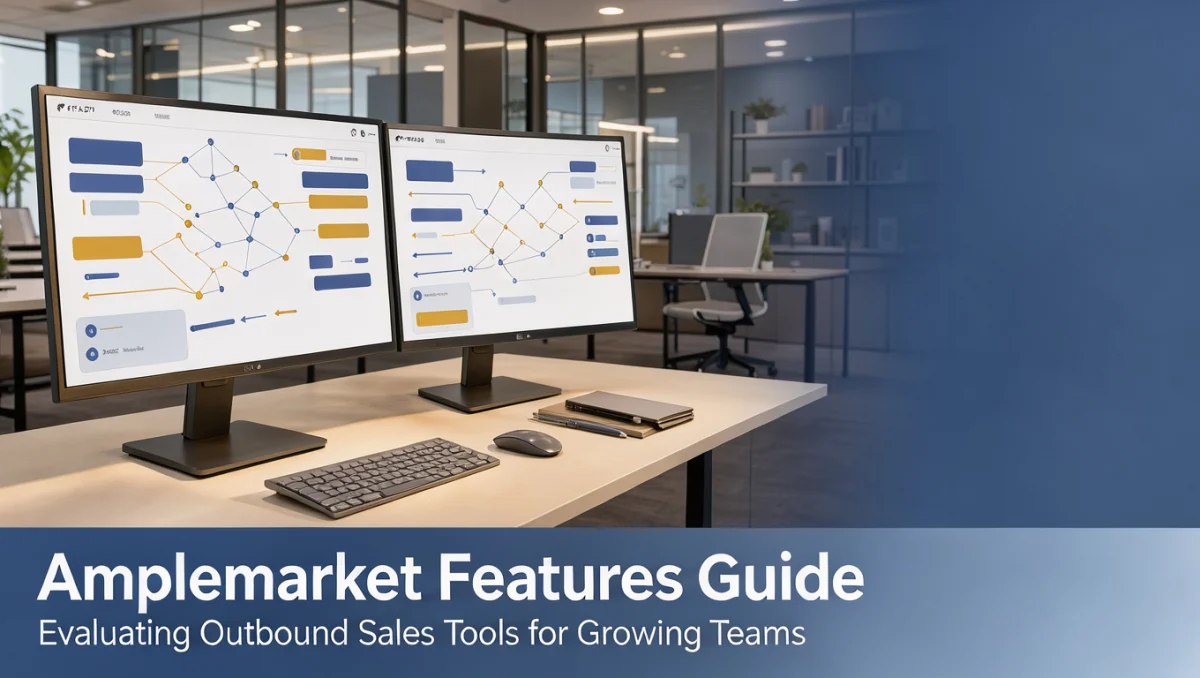
Through its sequence builder, the platform lets outreach reps construct automated schedules featuring scheduled emails, telephone calls, social connection steps, and manual checkpoint reviews. Users can configure precise spacing between individual touches to maintain regular follow-up pacing.
Automating these complex outreach schedules allows prospecting teams to maintain continuous contact across expansive target lists without setting calendar reminders. Nevertheless, campaigns still depend on relevant messaging and accurate audience categorization to elicit genuine engagement from buyers.
3.3. Mailbox Health and Reply Management
Maintaining solid deliverability is central to the platform's architecture. It provides automated safeguards such as message pacing controls, staggered distribution schedules, and domain warmup guidance to protect domain trust across outbound sender accounts.
Furthermore, an integrated inbox module consolidates replies across campaigns, letting reps classify buyer intent, filter responses, and promptly engage positive leads from a shared console. Sales managers should check the vendor's current specifications regarding authorized secondary domains and mailbox connection quotas.
3.4. Integrated Calling and Telephony Tools
For operations integrating direct cold calling into their cadences, built-in calling tools let representatives initiate calls straight from assigned sequence steps. The dialer presents prospect details and past interaction history simultaneously to inform real-time conversations.
Standardized outcome dispositions let representatives record conversation highlights, schedule follow-up actions, and aggregate team calling statistics. Sales leadership must verify regional regulatory compliance guidelines, phone provisioning prerequisites, and geographic calling rates on the official Amplemarket documentation.
3.5. Campaign Performance and Activity Metrics
The built-in analytics suite tracks crucial sequence milestones, including delivery rates, message views, buyer replies, and completed telephone interactions. These operational benchmarks enable supervisors to spot high-performing cadences across differing buyer personas.
Activity views spotlight operational constraints, evaluate individual rep capacity, and optimize outreach intervals. However, leadership must balance these tactical metrics against down-funnel milestones such as validated pipeline creation and finalized contracts inside their core CRM.
4. Operational Complexity and Implementation Curve
Onboarding this tool involves an unavoidable acclimation phase, particularly for teams migrating away from basic single-function software. Handling both contact extraction and multichannel dispatch requires users to master search parameters, cadence branch logic, and domain technical records during early configuration.
Organizations equipped with established sales operations talent typically navigate setup faster than self-managed sales teams. Correctly configuring DNS authentication records, daily sending limits, and administrative controls requires structured preparation before publishing active outbound cadences.
To shorten the learning process, sales managers must establish internal protocols governing list curation, sequence enrollment rules, and CRM status tagging. Clear operational standards protect overall CRM data health and reduce operational missteps during daily pipeline building.
5. Core Advantages and Notable Drawbacks
Determining whether this system matches your sales team requires weighing significant workflow consolidations against operational maintenance requirements.
5.1. Major Strengths
- Integrates contact sourcing with multichannel dispatch, eliminating manual spreadsheet imports across separate databases.
- Provides structured cadence building across email, manual calling tasks, and social media interactions.
- Includes dedicated technical deliverability controls to support sender reputation and throttle sending spikes.
- Aggregates incoming messages into a single view to accelerate prospect response times.
- Features comprehensive operational metrics tracking team activity benchmarks and outreach response rates.
5.2. Practical Limitations
- Demands meticulous initial setup of DNS records, inbox connections, and throttling parameters before launching sequences.
- Requires strict daily maintenance to keep contact registries clean and avoid duplicate cadence assignments.
- Teams must track data credit allotments and user seat minimums to prevent surprise operational constraints.
- The expansive interface can intimidate newer sales professionals without structured onboarding programs.
6. Market Alternatives and Positioning

The sales engagement sector features multiple well-regarded alternatives, each designed around specific operational profiles and team models.
Apollo.io provides a comprehensive contact database merged with cadence tools, serving early-stage companies and expansive commercial teams alike. It is widely recognized for wide-ranging data catalogs and accessible self-serve tiers.
Salesloft serves mid-market to enterprise commercial departments, with an emphasis on buyer engagement, opportunity management, and seamless alignment with complex CRM ecosystems. Large enterprises favoring structured opportunity governance commonly select it.
Outreach caters to enterprise revenue organizations requiring rigorous sales execution controls, pipeline management tools, and deep administrative governance for large teams. Adopting Outreach generally demands dedicated sales enablement staff and established revenue frameworks.
When reviewing these choices, teams must decide whether their top requirement is seamless lead-to-cadence execution or advanced enterprise CRM governance.
7. Target Use Cases: Suitability Breakdown
Different sales departments, expanding startups, and service firms face distinct priorities when selecting outbound engagement technology.
7.1. Dedicated Business Development Units
Teams running sustained outbound operations gain immediate efficiency by uniting prospect sourcing with immediate cadence dispatch. Eliminating manual lead uploads between separate contact databases and email platforms frees up valuable selling hours every week.
7.2. High-Growth B2B Startups
Emerging ventures building their outbound motion benefit from an integrated technology stack. Unifying contact data and outreach automation within a single subscription decreases vendor complexity and simplifies onboarding handoffs.
7.3. Outbound Lead Generation Agencies
Firms managing outbound lead generation across numerous client engagements can leverage structured cadences to orchestrate targeted campaigns. Agency decision-makers should, however, confirm multi-tenant switching features and client data privacy controls on the official portal.
7.4. Teams That Should Seek Alternative Options
Individual practitioners, occasional prospectors, and businesses relying strictly on inbound funnels or client referrals will likely find the software over-engineered. Groups running light outreach are better served by standard email marketing platforms or simpler personal inbox utilities.
8. Selecting an Appropriate Tier
Evaluating commercial tiers requires thorough inspection of your team headcount, monthly data usage, and administrative requirements.
| Pricing Factor to Verify | Practical Significance |
|---|---|
| Seat structure and licensing floors | Headcount floors dictate baseline contractual spending and access distribution across team members |
| Data discovery credit packages | Monthly credit pools cap how many new accounts and phone numbers your team can uncover |
| Mailbox and secondary domain quotas | Connection limits directly influence total messaging bandwidth across outbound cadences |
| Dialer allocations and coverage | Calling allowances impact outbound teams that rely heavily on phone cadences |
| Onboarding and technical support | Dedicated rollout guidance determines how quickly your team reaches daily operational efficiency |
Before executing a subscription agreement, conduct an internal review of your team's historical data requirements. Analyzing regular monthly prospect consumption prevents unforeseen plan limitations or expensive tier upgrades.
9. Common Questions Regarding the Platform
What primary purpose does Amplemarket serve?
It is an integrated sales engagement and lead intelligence environment that combines contact sourcing, data enrichment, multichannel cadences, calling tools, and inbox deliverability management into a coordinated workspace for B2B sales organizations.
How should organizations audit prospect data precision?
Commercial teams should run sample queries across their core industry targets and verify data guarantee terms on the vendor's portal. Reviewing contact density across your primary geographic territories ensures the system supports your pipeline targets.
What setup steps are mandatory before initiating cadences?
Organizations must establish authenticated secondary domains, set up inbox connections, configure technical DNS records, and build segmented contact lists. Preparing these technical configurations safeguards domain health prior to launching automated sequences.
In what ways does the system protect domain deliverability?
The platform protects domain health using sending throttles, daily volume caps, distributed sending windows, and structured domain warmup cadences. These protective measures keep sender accounts from triggering spam filters caused by abrupt spikes in outbound emails.
What variables determine overall deployment expenses?
Total expenditure typically depends on seat counts, prospect enrichment credit allowances, phone usage minutes, secondary sending domains, and vendor implementation fees. Auditing these factors on the official pricing page ensures precise budget forecasting.
10. Final Recommendation and Scorecard
The platform delivers a cohesive outbound framework that neatly merges prospect discovery with automated cadence management. For commercial organizations looking to consolidate a fragmented sales stack, it brings significant productivity gains by keeping list building, sequencing, calling, and reply handling inside one operational hub.
Nevertheless, long-term success requires disciplined technical setup, close deliverability oversight, and regular message optimization. Prospective buyers should confirm current plan features, enrichment allocations, and user seat policies on the official Amplemarket website before finalizing their decision.
| Core Dimension | Score /10 | Operational Justification |
|---|---|---|
| Feature Breadth | 8.5/10 | Robust integration of contact data, automated cadences, inbox triage, and dialer functions |
| Setup and Usability | 7.0/10 | Demands meticulous technical setup and organized training to utilize the full toolkit effectively |
| Value & Cost Structure | 7.2/10 | Replaces several separate subscriptions, though buyers must verify credit limits and seat minimums |
| Integrations | 7.5/10 | Integrates with standard CRM platforms, requiring validation against your organization's data schema |
| Target Market Fit | 8.0/10 | Engineered specifically for structured B2B outbound teams running continuous sales cadences |
| Vendor Support | 7.0/10 | Teams should verify available support tiers and implementation services directly with the provider |
| Competitive Strength | 7.8/10 | Carves out a distinct position by blending built-in contact intelligence with multichannel sequence tools |
Composite Evaluation Score: 7.6/10
For sales organizations seeking tailored evaluation guidance or platform comparisons, explore our resources or connect directly with the review team. Send your software questions through our contact channel or follow our updates on LinkedIn for ongoing enterprise software evaluations.