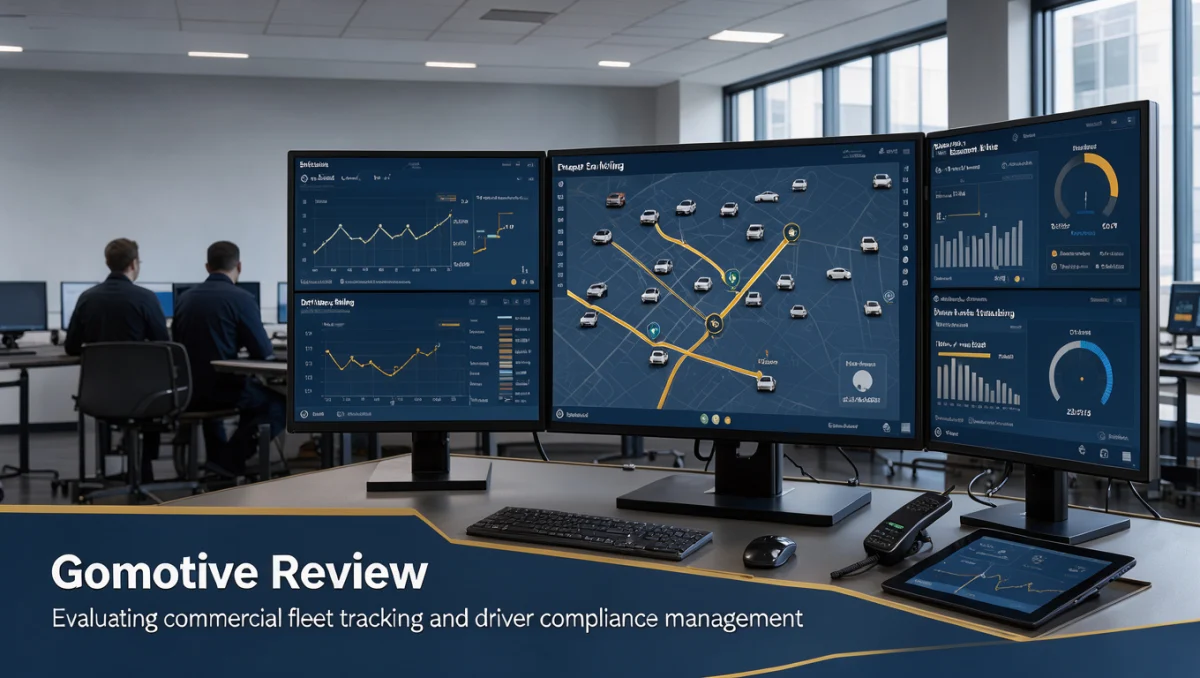
Commercial fleet operators often ask whether Motive justifies its cost and hardware commitment. This gomotive review explores how the platform supports dispatch coordination, regulatory compliance and day-to-day fleet administration, so logistics managers and business owners can judge fit before signing anything. Independent editorial analysis at Best Coupon Blogs focuses on practical operational needs rather than marketing claims.
Fleet software brings together vehicle location, driver hour records, safety reporting and maintenance schedules inside one administrative dashboard. Before committing, a gomotive review should help you compare the benefits of centralized oversight against setup time, installation work and the training your team will need across office and mobile users.
Quick verdict: Motive earns an overall Best Coupon Blogs score of 7.9/10. It suits commercial fleets that need unified telematics, driver hour compliance and safety monitoring across scattered vehicles. It is a poor match for individual owner-operators who only want a simple offline mileage log and have no interest in vehicle hardware or recurring service plans.
| Metric | Summary Details |
|---|---|
| Best Coupon Blogs score | 7.9/10 |
| Best for | Commercial fleets handling driver compliance, vehicle upkeep and dispatch safety |
| Not ideal for | Owner-operators who only need manual expense logging without vehicle hardware |
| Key strengths | Vehicle telematics, electronic driver logs, maintenance scheduling, dispatch tools |
| Check before buying | Hardware warranty, contract length and renewal terms on the official Motive website |
1. How Best Coupon Blogs Reviewed Motive
This review measures Motive against seven Best Coupon Blogs criteria: features, ease of use, pricing and value, integrations, audience fit, support and competitive position. Plans and prices change frequently, so we flag the details you should confirm on the official site before purchase. The article was researched and drafted with AI assistance, then reviewed and edited by the Best Coupon Blogs Editorial Team.
2. What Motive Is and Who Uses It
Motive is an enterprise fleet management and operations platform that pairs connected vehicle hardware with administrative software. It handles real-time location monitoring, hours-of-service electronic logging, preventive maintenance tracking and driver safety assessment. Data flows in from vehicle diagnostic ports and onboard sensors, giving dispatchers and compliance officers continuous insight into where assets are and what drivers are allowed to do.
The platform is built for businesses running transport trucks, delivery vans, shuttles, construction equipment and field service vehicles. Transportation, logistics, agriculture and construction firms use this category of software to stay compliant and remove operational blind spots. Any evaluation should sit within your wider customer service and fleet administration strategy so communication stays reliable on every route.
3. Core Features
Fleet tracking tools combine vehicle telemetry, administrative oversight and mobile coordination to simplify transport management.
3.1. Telematics and Vehicle Location Tracking
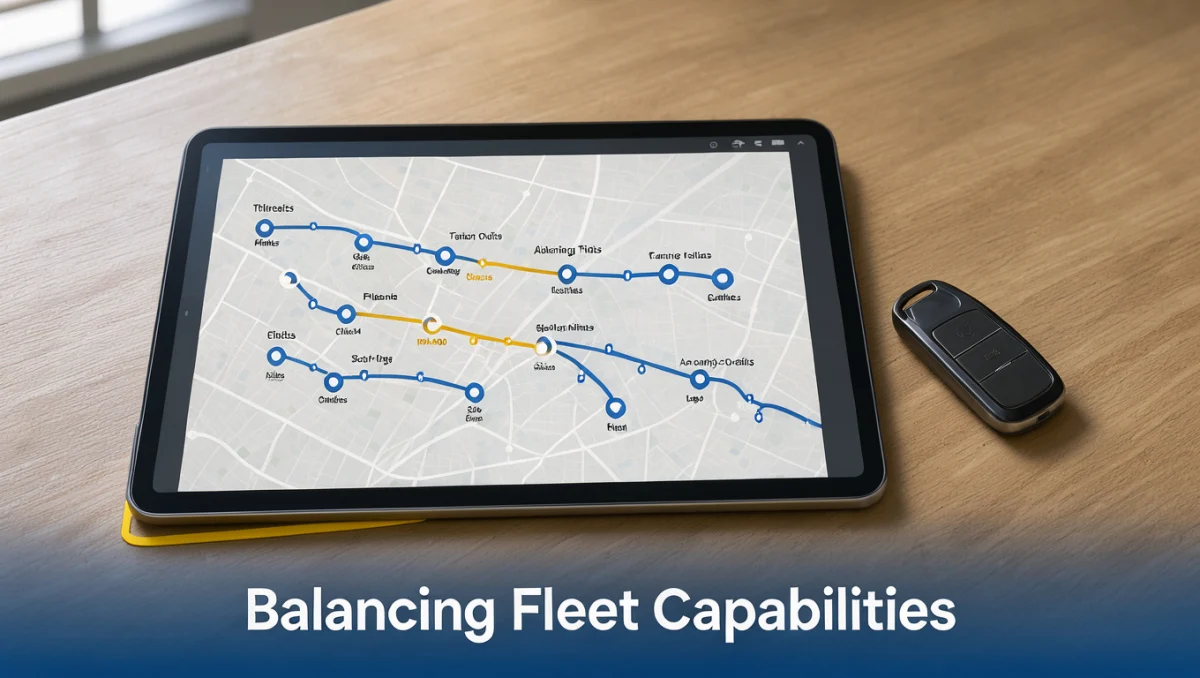
Live tracking lets dispatchers follow vehicles on interactive maps. The software logs route history, idle time, speed and route deviations. Supervisors review past trips to refine future routing, confirm delivery arrival times and react quickly to delays.
3.2. Compliance and Electronic Logging
The electronic logging function records driver hours, driving periods and rest breaks to satisfy regulatory requirements. Drivers update their duty status through mobile apps linked to the vehicle's diagnostic device. The system calculates remaining legal drive time, warns staff about possible violations and produces inspection-ready records for roadside officers.
3.3. Driver Safety and Coaching
Safety tools review driving behavior using telemetry and optional road-facing or cabin-facing cameras. The platform flags harsh braking, aggressive cornering, speeding and tailgating. Safety managers examine recorded incident clips to design coaching programs and recognize strong driving habits.
3.4. Equipment Maintenance and Vehicle Inspections
Maintenance modules capture diagnostic trouble codes, odometer readings and engine hours. Mechanics and fleet managers schedule routine service, store pre-trip inspection checklists completed by drivers, and track work orders to head off roadside breakdowns.
4. Ease of Use and Learning Curve
Office administrators and field drivers experience the software very differently. Office users work in dashboards filled with operational maps, diagnostic alerts and regulatory reports. New administrators need structured training to use filters, set alert thresholds and export compliance documents for audits.
Drivers mainly use a phone or tablet app. Driver screens emphasize large buttons, a clear countdown of remaining driving hours and simple inspection forms. Installing hardware in vehicles takes planned downtime and physical work, which means maintenance crews must adjust their schedules during rollout.
5. Pros and Cons
Weighing the trade-offs helps operations teams balance full fleet visibility against the commitments involved.
5.1. Advantages
- Asset location, regulatory compliance and vehicle diagnostics come together in a single web environment.
- Mobile workflows make daily inspection logging and duty status changes straightforward during transit.
- Maintenance tracking relies on direct engine diagnostic data rather than manual mileage entry.
- Driver coaching metrics built from real telemetry events support proactive safety policies.
5.2. Disadvantages
- Physical installation in each vehicle adds upfront setup time for maintenance departments.
- Multi-year service agreements create ongoing costs that require careful contract review.
- Dense reporting screens can overwhelm small teams without dedicated dispatch or compliance staff.
6. Motive vs Similar Tools
The telematics and fleet compliance market includes several established competitors, each suited to different operational profiles.
Samsara serves mid-market and large enterprises that manage logistics, warehouses and connected industrial sites alongside vehicles. Organizations that want broad physical operations monitoring, not just vehicle tracking, often evaluate Samsara.
Geotab emphasizes deep vehicle engineering telemetry, an open software architecture and wide diagnostic hardware compatibility. Fleets that need detailed mechanical sensor data and custom data export pipelines frequently shortlist Geotab.
Verizon Connect offers fleet tracking, field service management and workforce scheduling for transport operators and mobile trade contractors. Operators who need route planning, job dispatching and field billing tightly aligned often consider Verizon Connect.
| Platform | Primary Positioning | Best For | Key Consideration |
|---|---|---|---|
| Motive | Unified fleet operations and driver compliance | Commercial trucking and field logistics | Requires vehicle hardware setup and recurring subscription terms |
| Samsara | Industrial IoT and integrated fleet technology | Enterprises monitoring transport and facilities | Suited to broad physical operations across large corporate fleets |
| Geotab | Engineering diagnostics and open telematics architecture | Technical teams needing detailed mechanical sensor data | Requires technical expertise to configure reports and data feeds |
| Verizon Connect | Mobile workforce management and fleet logistics | Service fleets pairing vehicle tracking with technician dispatch | Setup varies depending on field service or long-haul focus |
7. Who Should Use Motive
Different business models get different value from fleet management technology.
7.1. Small Business Owners and Regional Delivery Operators
Regional distributors running delivery vans benefit from route tracking, customer arrival verification and scheduled maintenance alerts. Centralized tracking lets small management teams stop calling drivers for status updates during delivery shifts.
7.2. Long-Haul Trucking and Logistics Companies
Long-distance carriers must keep rigorous compliance logs to meet transport agency rules. Automated hours-of-service calculations reduce the risk of violations and produce clear inspection summaries during roadside audits.
7.3. Field Service Technicians and Trade Contractors
Plumbing, electrical and HVAC companies gain better oversight of technician travel times, job-site arrival records and vehicle security. Managers should make clear to crews that tracking supports dispatch coordination rather than personal surveillance.
7.4. When Another Approach Is Better
Independent contractors, occasional couriers or businesses with seasonal transport needs may find vehicle hardware contracts impractical. Light users should check whether a phone navigation app and a simple digital logbook meet their needs without recurring hardware fees.
8. How to Choose the Right Plan
Fleet tracking vendors price their services through layered subscriptions that depend on vehicle count, hardware choices and software features. Confirm exact terms directly with the vendor before committing.
| What to check on official pricing channels | Why it matters for your budget |
|---|---|
| Hardware purchase versus hardware lease terms | Buying hardware raises upfront capital costs, while leasing folds equipment fees into monthly charges. |
| Per-vehicle subscription rates across fleet sizes | Per-asset pricing can shift depending on whether you run a few vans or hundreds of heavy trucks. |
| Camera hardware and video storage options | Road-facing or driver-facing cameras bring hardware fees plus ongoing video storage charges. |
| Contract duration and auto-renewal terms | Multi-year commitments often carry termination penalties for leaving early. |
| Installation and onboarding fees | Professional installation or self-install kits create different cost considerations for maintenance crews. |
9. Frequently Asked Questions
9.1. What should fleet managers review in contract commitments?
Check the agreement length, hardware replacement terms, early termination policy and automatic renewal dates. Telematics contracts are often multi-year, so clarify what happens when a vehicle is sold or retired before the contract ends.
9.2. What hidden costs can appear during deployment?
Budget for vehicle downtime during installation, diagnostic connection harnesses, extra dash mounts and staff training time. If cameras are added, include recurring cloud video storage fees in total operating costs.
9.3. How should companies prepare drivers for tracking?
Set clear policies explaining how telemetry data will be used. Showing drivers that electronic logs protect them from unfair dispatch pressure and confirm legitimate rest periods builds trust and speeds up app adoption.
9.4. How should buyers evaluate installation requirements?
Inventory the diagnostic port types across your vehicles so you order the correct cable adapters. Heavy-duty trucks and light-duty vans often use different connectors, so confirm the hardware list with the vendor before rollout begins.
10. Final Verdict
Choosing fleet software means balancing regulatory safety needs against long-term contractual obligations. Motive offers a cohesive ecosystem that combines vehicle telemetry, hours-of-service compliance, driver coaching and preventive maintenance in one web environment.
| Evaluation Criterion | Score /10 | Reasoning |
|---|---|---|
| Features | 8.5 | Comprehensive asset tracking, driver hour logs, maintenance oversight and safety review workflows. |
| Ease of Use | 7.5 | Driver mobile screens are clear, while administrative portals take training to master. |
| Pricing and Value | 7.0 | Value depends on negotiated pricing, hardware terms and multi-year commitments confirmed with sales. |
| Integrations | 7.5 | Connects operational data with maintenance and transportation management systems through integration channels. |
| Audience Fit | 8.5 | Aligns well with commercial transport operators, regional delivery fleets and field trade services that need strict compliance. |
| Support | 7.5 | Check technical assistance channels, hardware replacement speed and onboarding resources on official company channels. |
| Competitive Position | 8.5 | Holds a strong telematics position alongside Samsara, Geotab and Verizon Connect. |
Overall Best Coupon Blogs score: 7.9/10
For commercial fleets that want one platform to manage driving hour compliance, maintenance schedules and telemetry, Motive offers an established operational ecosystem. Before deploying, list your vehicles' diagnostic port types, decide on camera preferences and confirm multi-year subscription terms on the official Motive pricing page.
Readers with questions about fleet management platforms or telematics purchasing can contact our editorial team through the Best Coupon Blogs contact page at https://bestcouponblogs.com/contact/ or follow us on LinkedIn at https://www.linkedin.com/company/bestcouponblogs/.