bestcouponblogs may earn a commission when you buy through links on this page, at no extra cost to you. This does not affect our ratings.
Growing software revenue beyond your internal sales team often means building a partner network. A partnerstack guide approach brings affiliates, referrers and resellers into one managed ecosystem, giving you a repeatable way to recruit partners, track attributed deals and deliver commission payouts. Our editors evaluate business software against consistent criteria, so you can pick tools that fit your operational scale. For a closer look at the platform itself, read our full PartnerStack guide.
A channel that performs well depends on three foundations: clear attribution rules, standardized onboarding materials and disciplined commission management. Technical teams need to track software leads accurately, while channel managers need to handle relationship tiers as partners grow. Settle your channel strategy and understand where automated tracking fits in your sales workflow before you commit to specialized partner software.
Quick verdict: With an overall bestcouponblogs score of 7.6/10, PartnerStack is built for software and technology teams running affiliate, referral and reseller programs from one hub. It is less suited to solo creators who only need basic referral links, or to physical goods retailers managing conventional storefront inventory.
| Metric | Evaluation |
|---|---|
| bestcouponblogs score | 7.6/10 |
| Best for | Growing software businesses running coordinated affiliate, referral and reseller partner channels |
| Not ideal for | Website owners who only need single-link affiliate tracking without channel partner management |
| Key strengths | Unified partner management across channel formats, automated payout handling and a dedicated partner portal |
| What to check before buying | Confirm plan structures, payout terms and technical connector requirements on the official PartnerStack website |
1. How bestcouponblogs Reviewed PartnerStack
Our review covers what PartnerStack is built to do, who it serves and how it compares with similar tools. We apply seven bestcouponblogs criteria: features, ease of use, pricing and value, integrations, audience fit, support and competitive position. Plans, prices and limits change frequently, so we flag what to confirm on the official website before purchase. This article was researched and drafted with AI tools, then reviewed and edited by the bestcouponblogs Editorial Team.
2. Before You Launch Your Partner Program

A channel program needs strategic clarity before you configure any partner relationship platform. Decide whether your growth depends on content affiliates, customer advocates submitting referrals or certified agency resellers bringing in enterprise contracts. Each partner category needs its own contract structure, marketing collateral, reward schedule and verification milestones.
Also define how partner revenue attribution interacts with your internal sales pipeline. When an affiliate generates a sign-up that an account executive later closes, clear attribution terms prevent disputes between internal reps and external contributors. Document attribution timelines and crediting logic before onboarding outside partners to protect trust and operational stability.
Plan your resourcing as well. Partner ecosystems need steady administrative attention, including reviewing applications, verifying deal registrations and approving payout cycles. In modern marketing departments, channel growth depends as much on dedicated program management as on automated tracking technology.
3. Getting Started: A Phased Workflow for Partner Operations
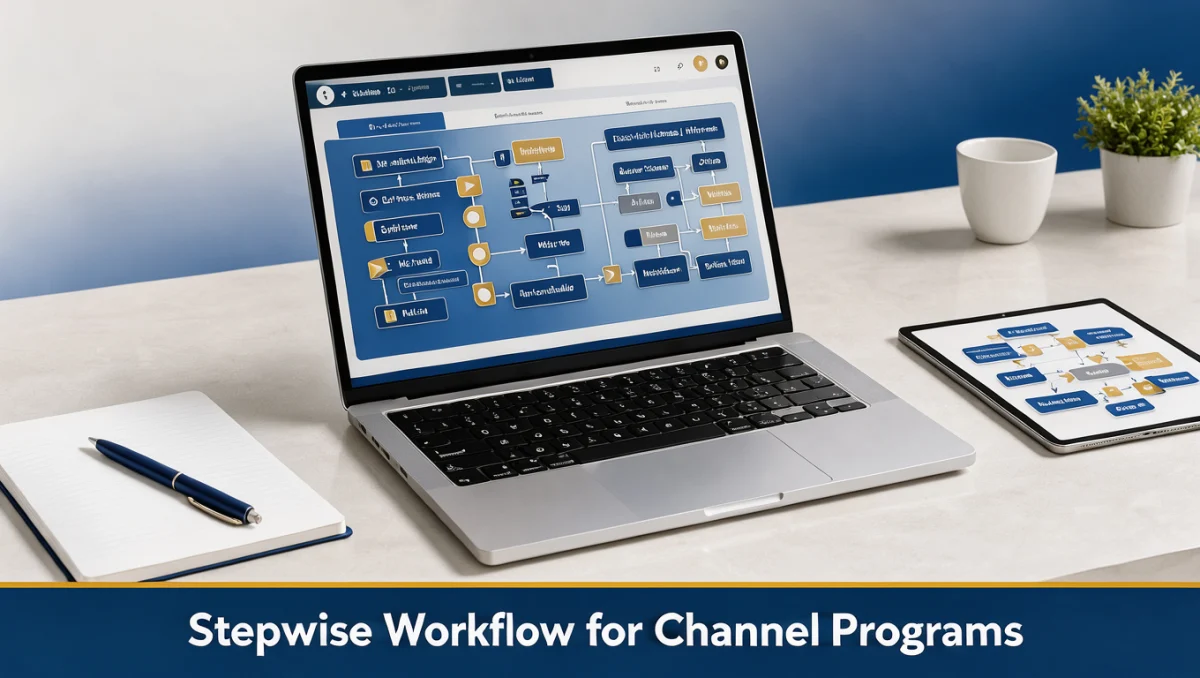
Set up partner operations in phases that align your product catalog with external distribution networks. A structured rollout reduces confusion, keeps partner data organized and keeps payout schedules dependable from day one.
Phase 1: Define Partner Tracks and Reward Rules
Divide your prospective channel into tracks such as affiliate marketers, customer ambassadors and solution partners. Each track should have its own reward parameters, such as one-time bounties for lead captures or recurring revenue shares for active subscription accounts. Setting these rules internally first ensures your platform configuration matches your business model.
Phase 2: Configure Lead Capture and Event Tracking
Accurate attribution depends on connecting sign-up events, customer conversions and recurring payment milestones to your partner management engine. Technical teams should map how tracking links, webhooks or database callbacks record user actions. Vendors update tracking libraries and webhook structures often, so technical leads should check setup requirements in the official PartnerStack documentation.
Phase 3: Design the Partner Onboarding Experience
Partner engagement drops when external advocates lack clear collateral and quick access to referral links. Build an asset library with approved brand logos, product one-pagers, demo recordings and promotional guidelines. Organizing these materials in the partner portal lets external representatives learn product positioning without constant direct oversight.
Phase 4: Set Deal Registration and Lead Submission Rules
For consultant and reseller tracks, structured lead registration prevents channel conflict when two agencies pursue the same prospect. Establish clear submission forms, validation timelines and exclusivity windows for registered opportunities. Recording lead status updates in a central portal keeps your reseller network transparent.
Phase 5: Automate Reward Verification and Payment Reconciliation
Reviewing reward schedules is a recurring milestone for channel managers. Confirm whether commissions trigger on customer invoicing or only after a mandatory refund-holding window. A predictable monthly payout reconciliation reduces administrative friction and builds partner confidence.
4. Best Practices for Sustainable Channel Growth
Scaling a partner ecosystem requires ongoing optimization of partner engagement, not passive software adoption. A sustainable program balances automated workflows with structured relationship management to keep key distributors active.
- Maintain Tiered Reward Progression: Motivate partners with milestone tiers that unlock higher revenue percentages or exclusive marketing materials when they reach specific volume thresholds.
- Audit Lead Quality Consistently: Track conversion rates from partner leads to see which promotional channels produce customers who stay.
- Standardize Communication Schedules: Send regular product release summaries, promotional templates and program updates so external sellers stay current.
- Clarify Program Terms and Prohibited Tactics: State policies on trademark bidding, search advertising and cold messaging explicitly to protect brand reputation.
5. Common Mistakes to Avoid in Partner Management
Many organizations launch partner programs expecting fast revenue gains without investing in channel enablement. Recognizing common pitfalls helps teams protect brand equity and keep unit economics efficient.
- Launching Without Dedicated Program Ownership: Treating partner management as a side task for general sales staff often leads to neglected inquiries and delayed deal approvals.
- Overcomplicating Initial Commission Structures: Intricate formulas with many conditional rules confuse partners and increase reconciliation errors.
- Neglecting Technical Attribution Audits: Failing to test tracking paths across customer onboarding flows can cause missed conversion events and attribution disputes.
- Ignoring Regional Tax and Billing Requirements: Partner payouts involve international compliance considerations, so review documentation policies in the official PartnerStack compliance guide before disbursing funds.
6. Frequently Asked Questions
What signs show that a business needs partner management software?
Dedicated partner management software becomes worthwhile when tracking referrals in spreadsheets consumes too much administrative time. Companies with growing inbound partner requests, recurring subscription products and multi-tier reseller agreements need automated tracking, structured deal registration and streamlined payouts to avoid bottlenecks.
What administrative resources does an active partner program require?
Running a partner program takes consistent staff time to evaluate applications, update collateral, validate reseller deal registrations and approve monthly payout batches. Assign ownership to a dedicated partner manager or marketing specialist rather than spreading these duties across several teams.
How should organizations structure partner attribution rules?
Attribution models must define whether partners earn credit through first-touch discovery, last-touch conversion links or formal deal registration. Companies with direct sales teams should set explicit rules on lead exclusivity windows and credit splits to prevent friction between internal account executives and external agency partners.
What should teams verify on the official website before buying partner software?
Review the official PartnerStack pricing page and technical documentation to confirm plan tier differences, seat allowances, payment gateway transaction rules and supported software connections. Checking these details first ensures your choice fits your current infrastructure and budget.
7. Final Verdict on PartnerStack
| Criterion | Score /10 | Reason |
|---|---|---|
| Features | 8.5/10 | Unified management across affiliate, referral and reseller channels |
| Ease of Use | 7.0/10 | Workable onboarding, though setup takes planning |
| Pricing and Value | 7.0/10 | Value depends on partner volume and confirmed plan terms |
| Integrations | 7.5/10 | Solid connector coverage; confirm requirements for your stack |
| Audience Fit | 8.5/10 | Strong fit for B2B software companies building partner channels |
| Support | 7.0/10 | Adequate guidance, with documentation doing much of the work |
| Competitive Position | 8.0/10 | Competitive among dedicated partner management platforms |
Overall score: 7.6/10
PartnerStack gives business-to-business software companies a central operational foundation for growing distribution through affiliates, customer referrers and value-added resellers. Dedicated partner software needs careful planning and ongoing administrative commitment, but organizations with proven product-market fit can use these structured workflows to build scalable partner networks.
If you are evaluating channel automation, compare platform requirements with your existing internal systems and confirm current plan structures on the official PartnerStack website. Have questions about software selection? Contact our editorial team at https://bestcouponblogs.com/contact/ or follow bestcouponblogs on LinkedIn at https://www.linkedin.com/company/bestcouponblogs/.
See More Best Coupon Blogs