Best Coupon Blogs may earn a commission when you buy through links on this page, at no extra cost to you. This does not affect our ratings.
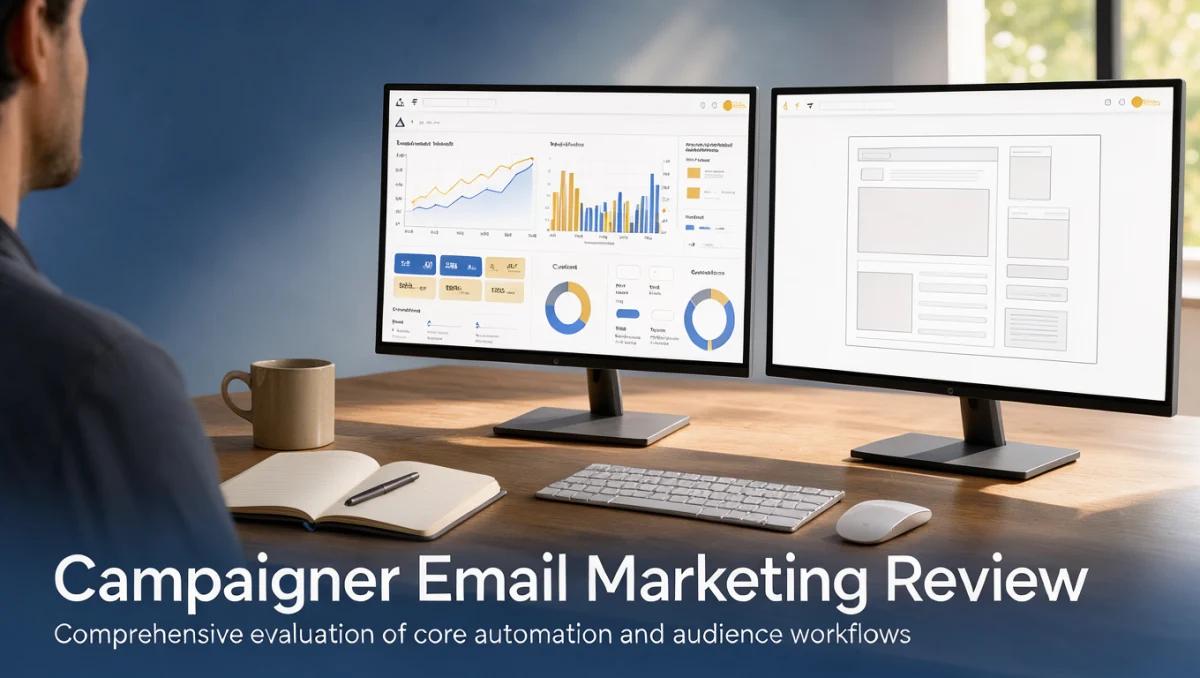
Campaigner's recent email marketing capabilities cover automated audience messaging, contact management, and delivery tracking. Before choosing an email service provider, buyers need a practical framework for judging how message creation, subscriber segmentation, and campaign measurement actually work day to day. Our independent review shows how the platform performs on core messaging tasks and points out the subscription details you should confirm on the official vendor site.
Promotional claims only tell part of the story. Teams investing in subscriber messaging should check whether the functions match their real production needs, whether that means follow-up sequences, contact segmentation, or consistent template design. Judging software by how useful it is in practice is the most reliable route to a worthwhile return.
Quick verdict
We give Campaigner an overall score of 7.6/10. Its contact segmentation and workflow automation are solid, though the interface takes some training to master. It suits structured marketing teams that run regular, coordinated contact broadcasts. Solo users who only need quick newsletters may find simpler message builders more practical.
| Metric | Summary |
|---|---|
| Best Coupon Blogs score | 7.6/10 |
| Best for | Marketing teams that manage structured subscriber databases and coordinated multi-stage broadcast sequences. |
| Not ideal for | Occasional senders who only send infrequent announcements or basic text updates. |
| Key strengths | Contact list organization, multi-condition campaign dispatch, visual template creation, and detailed broadcast reporting. |
| What to check before buying | Confirm current package limits, subscriber storage tiers, and add-on channels directly on the official Campaigner website. |
1. How Best Coupon Blogs Reviewed Campaigner
This review looks at what Campaigner is built to do, who it serves, and how it compares with similar tools. We used seven criteria: features, ease of use, pricing and value, integrations, audience fit, support, and competitive position. Plans, prices, and limits change often, so we flag what to confirm on the official website before buying. This article was researched and drafted with AI assistance, then reviewed and edited by the Best Coupon Blogs Editorial Team.
2. What is Campaigner and who is it for?
Campaigner is an email marketing platform that helps businesses build, send, and analyze commercial email messages to subscriber lists. It centralizes audience databases, provides structured template creation, and offers automated distribution rules so organizations can stay in touch with prospects, active customers, and corporate partners.
The platform mainly serves commercial enterprises, agency teams, and specialized marketing departments that need structured list handling rather than ad hoc correspondence. Teams with varied customer journeys use tools like this to group contacts by engagement history, past purchases, or demographics, keeping messages relevant to each recipient group.
Teams moving away from basic inbox clients gain standardized formatting, unsubscribe compliance, and consistent delivery oversight by adopting a dedicated email platform. Understanding these baseline responsibilities helps you decide whether a feature-rich dispatch engine matches your team's capacity.
3. Core features of Campaigner
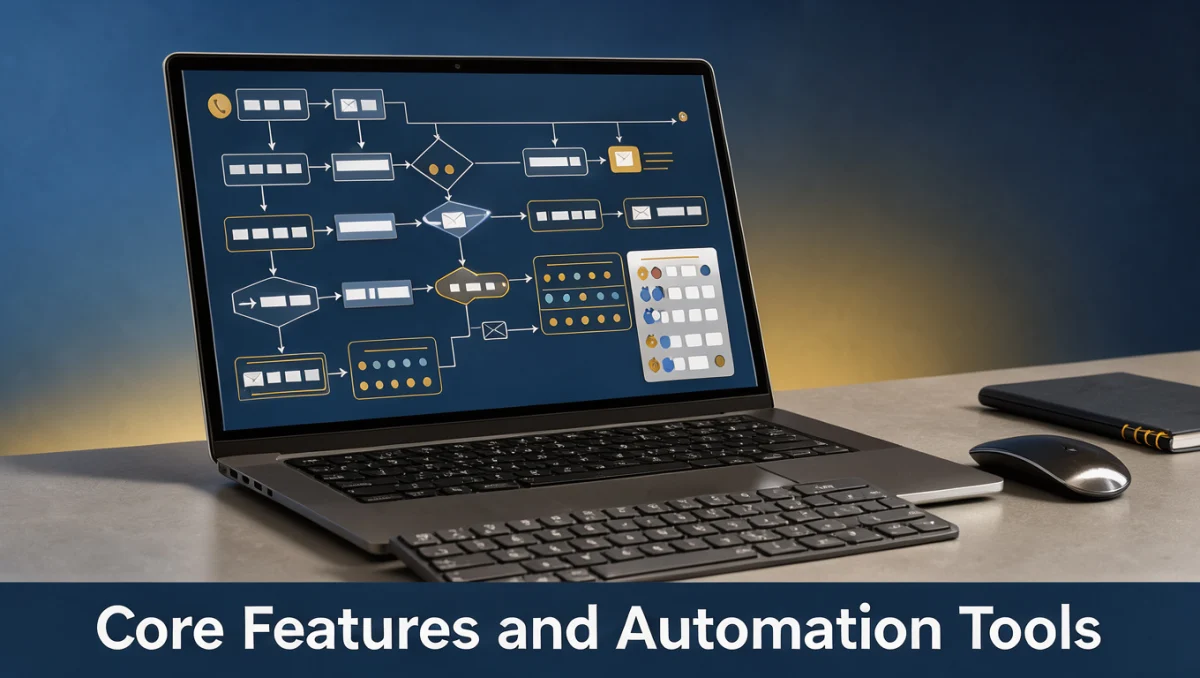
Evaluating Campaigner's email marketing features means looking at the functional groups that define enterprise-grade email systems. Rather than focusing on temporary promotional updates, buyers should examine how the core software handles everyday list management, message composition, triggered sequences, and performance analytics.
3.1. Contact list management and subscriber segmentation
Contact management is the backbone of any email service provider. It lets teams store, categorize, and maintain subscriber records over long periods. Campaigner lets marketers group contacts into distinct lists, define custom recipient fields, and apply filters based on subscriber attributes or interaction history.
Segmentation tools let operators isolate engaged subscribers, separate prospects from existing customers, and suppress inactive addresses to protect recipient interest. Clean database organization directly affects broadcast success, so robust filtering is a prerequisite for systematic marketing.
3.2. Email campaign builder and responsive template design
Message creation centers on structured design environments where users assemble visual layouts, insert text blocks, add promotional imagery, and format call-to-action buttons. These tools produce mobile-responsive layouts without hand-coding each message.
Beyond visual assembly, email marketing software typically offers source-code editing for technical teams that need precise brand styling and strict layout control. Reviewing the template workflow helps organizations confirm that both non-technical creators and developers can draft on-brand messages efficiently.
3.3. Automated workflows and triggered messaging
Marketing automation schedules messages based on subscriber actions, time intervals, or database field updates. Campaigner's automation tools trigger welcome messages, sequential nurture tracks, and re-engagement notices when contacts meet predefined criteria.
Multi-step branching logic lets businesses send relevant follow-up content depending on whether a recipient opened a previous message or clicked an internal link. Automated sequences remove repetitive manual sending while keeping consistent touchpoints across longer sales cycles.
3.4. Campaign reporting and performance tracking
Tracking outcomes is essential for judging audience response and refining subject lines or content formats. Campaigner tracks standard delivery metrics, including transmission totals, opens, click distribution, bounce classifications, and opt-out requests.
Comparative analytics let operators measure individual broadcasts against historical baselines to spot successful patterns. These aggregate metrics guide editorial adjustments and help identify the best sending days and themes over time.
4. Ease of use and learning curve
Campaigner's operational experience reflects its focus on structured list management and multi-branch automation. Basic newsletter creation is straightforward once templates are configured, but building multi-stage branching rules and complex demographic segments takes dedicated training and disciplined procedures.
Teams adopting the platform should expect an onboarding period focused on importing contact databases, mapping custom fields, and setting up verification records. Organizations with experienced digital marketers will find the menu structure manageable, while newer creators may struggle at first with advanced query builders.
To speed adoption, document standard procedures for list hygiene, template approval, and test sends before granting broad access to production environments.
5. Pros and cons of Campaigner
Weighing functional strengths against practical limitations gives marketing leaders an honest basis for choosing software.
5.1. Operational strengths
- Structured segmentation tools that sort contacts using custom data fields and interaction history.
- Multi-path automation builders that handle multi-stage onboarding and nurture sequences.
- Reporting dashboards covering delivery rates, click engagement, and bounce categories.
- Design environments that support both visual template assembly and custom markup editing.
5.2. Operational considerations and workarounds
- Steeper onboarding for non-technical users than lightweight newsletter tools; standardized campaign templates can ease this.
- Advanced query building requires careful database planning, which teams can manage by agreeing on field naming conventions before importing contacts.
- Detailed administrative settings call for documented permission protocols to prevent accidental broadcasts.
6. Campaigner vs similar email marketing tools
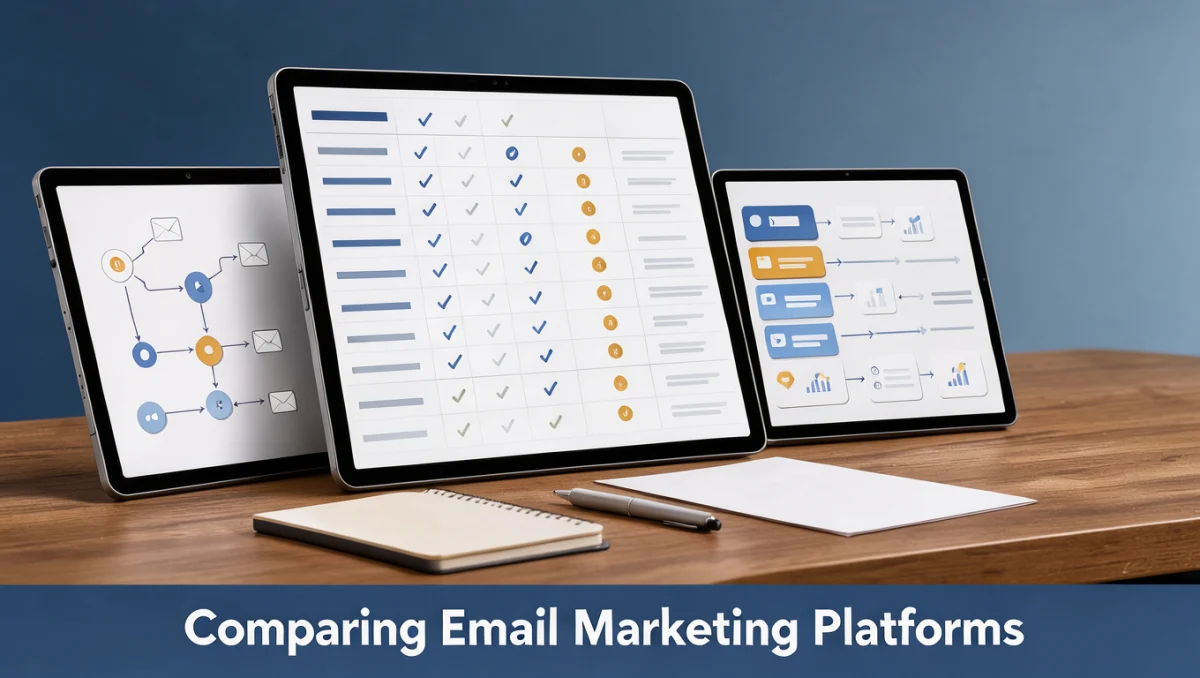
Comparing Campaigner with established peers clarifies its place in the marketing technology landscape.
| Platform | Target Audience | Primary Positioning | Key Operational Focus |
|---|---|---|---|
| Campaigner | Growing mid-market teams and agencies | Advanced contact segmentation and systematic workflow automation | Complex subscriber logic and structured automated sequences |
| Mailchimp | Small business owners and generalist teams | Broad marketing hub with multi-channel publishing tools | Accessible template design and all-in-one promotional utilities |
| Constant Contact | Local businesses and community organizations | User-friendly event promotion and newsletter communication | Simple drag-and-drop creation with guided list building |
| ActiveCampaign | Sales-aligned organizations and digital marketers | Deep customer experience automation and behavioral messaging | Granular lifecycle automation and cross-channel tracking |
Mailchimp targets small businesses that want an intuitive design environment and multi-channel marketing tools. Constant Contact focuses on straightforward layouts for community organizations and local merchants who value quick sends over complex database queries.
ActiveCampaign emphasizes sophisticated behavioral branching for businesses coordinating customer journeys across sales pipelines. Campaigner sits between basic newsletter tools and large marketing suites, focusing mainly on high-capacity email automation and database segmentation.
7. Who should use Campaigner?
Suitability depends on team skills, sending volume, and campaign frequency.
7.1. Freelance marketing consultants
Freelancers managing email for several clients benefit from clear contact separation and repeatable sequence building. Consultants handling simple announcement lists for local clients may prefer tools with less setup overhead.
7.2. Small business owners
Small operators running targeted retail or business-to-business communications can use automated follow-up sequences to nurture leads consistently. A business that only sends quarterly updates will often find a simpler broadcast tool more cost-effective.
7.3. Dedicated digital marketers
Digital marketing specialists gain significant value from granular filters, scheduled trigger sequences, and post-campaign data exports. These capabilities let professionals test content variations and optimize retention across demographic segments.
7.4. Corporate communications personnel
Internal communications teams sending employee notices or partner bulletins need dependable segmentation to reach the right audiences. If corporate teams don't need complex sales automation, simpler publishing platforms may be enough.
7.5. Educational coordinators and students
University departments and student groups running campus newsletters generally find complex automation suites unnecessarily intricate for straightforward institutional bulletins. Lighter newsletter software is usually the better fit.
8. How to choose the right plan for your business
Vendors frequently revise plan limits, feature allocations, and prices, so review the specifics directly on the vendor site before committing.
| What to check on official pricing pages | Why it matters |
|---|---|
| Subscriber database caps | Email platform costs commonly scale with contact count, so sudden list growth can raise monthly expenses. |
| Monthly dispatch volume limits | Some tiers cap sending volume per billing cycle, which directly affects teams running frequent tests. |
| Automation workflow access | Vendors often reserve multi-stage branching or complex behavioral triggers for higher tiers. |
| Multi-user administrative seats | Collaborative teams need individual logins and permission controls, which may be capped on entry-level plans. |
| Additional messaging channels | Options like text messaging are often separately billed add-ons with their own usage fees. |
9. Frequently asked questions
9.1. What should marketing teams evaluate before migrating an existing subscriber list?
Check database cleanliness, custom field structures, and opt-in consent records before importing contacts. Confirming that unsubscribe histories and bounce records transfer accurately prevents delivery problems and protects your sending reputation during the move.
9.2. What determines whether a business needs advanced marketing automation?
Advanced automation makes sense when customer journeys involve multi-stage onboarding, behavioral re-engagement triggers, or separate content tracks by purchase category. Companies sending only uniform weekly bulletins rarely need complex branching.
9.3. What should buyers check regarding multi-user access permissions?
Confirm on the official pricing page whether your target tier supports role-based permissions such as editor, viewer, or administrator. Role restrictions prevent unauthorized list exports and make sure drafts are reviewed before broadcast.
9.4. What additional costs should businesses expect beyond the base subscription?
Budget for list verification services, graphic asset licensing, specialized template coding, and supplementary communication credits such as SMS. Reviewing these extras gives you an accurate total cost.
9.5. Should businesses consult a deliverability specialist before launching high-volume campaigns?
Organizations moving large subscriber databases benefit from deliverability guidance to set up domain authentication correctly. Proper domain verification and a gradual ramp-up in sending volume protect your sender reputation from early filtering.
10. Final verdict
Campaigner offers a capable, business-focused environment for organizations that prioritize disciplined list management and structured sequence automation over simple newsletter templates. Its administrative depth brings a learning curve, but marketing teams committed to structured segmentation will find its campaign tools well matched to commercial broadcast goals.
| Criterion | Score /10 | Reason |
|---|---|---|
| Features | 8.0/10 | Comprehensive contact segmentation, multi-stage automation logic, and full broadcast reporting. |
| Ease of Use | 7.2/10 | Requires dedicated onboarding and familiarity to configure advanced branching logic and queries. |
| Pricing and Value | 7.5/10 | Verify current contact tiers and sending allowances on the official website to confirm cost fit. |
| Integrations | 7.4/10 | Check the official application directory to confirm required CRM and ecommerce connections. |
| Audience Fit | 8.1/10 | Well suited to structured marketing departments and agencies running data-driven lead nurturing. |
| Support | 7.3/10 | Check available assistance channels and service hours in the official vendor support documentation. |
| Competitive Position | 7.7/10 | Holds a solid mid-market position against broader marketing suites by focusing on dedicated email workflows. |
Overall score: 7.6/10
For structured marketing departments that want disciplined contact filtering and automated sequence execution, Campaigner is a dependable platform. Organizations with modest sending needs should compare simpler alternatives to avoid paying for complexity they won't use.
Readers with questions about choosing email marketing software can contact our editorial staff through the Best Coupon Blogs contact page or follow us on LinkedIn via our company profile.