bestcouponblogs may earn a commission when you buy through links on this page, at no extra cost to you. This does not affect our ratings.
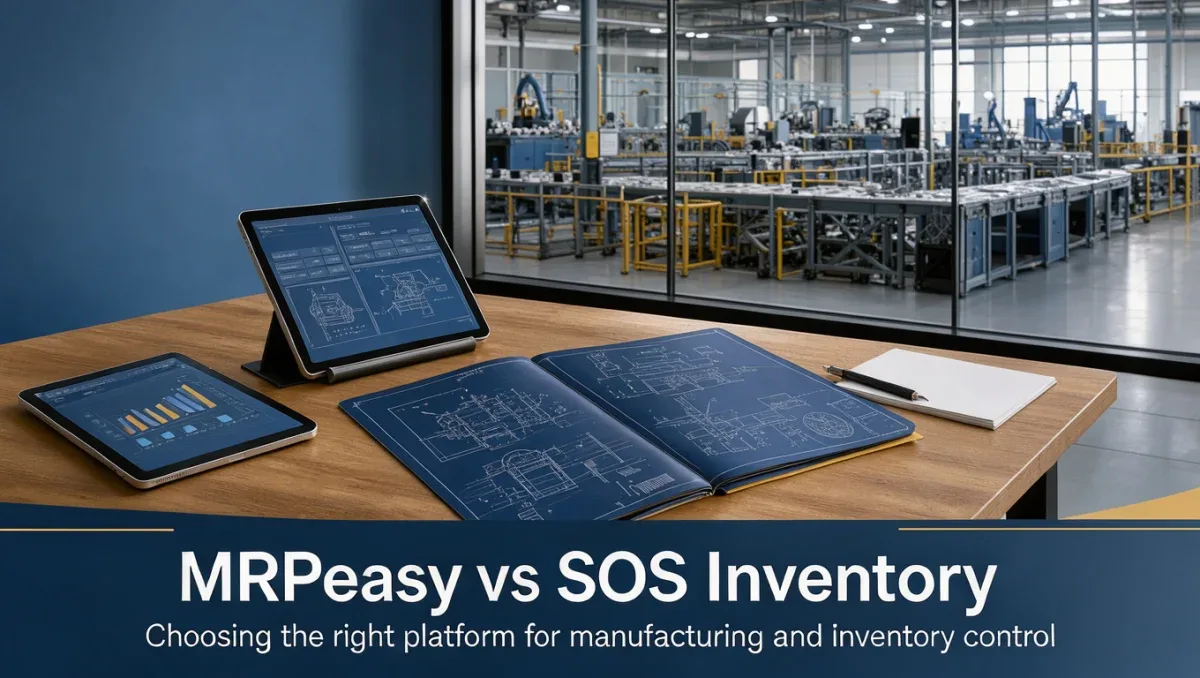
Deciding between MRPeasy and SOS Inventory often comes down to one question: is your business built around making products or moving them? Operations managers and business owners frequently turn to Best Coupon Blogs to weigh which platform better matches their assembly schedules, component purchasing, and fulfillment pipelines.
The right choice depends on whether your daily work centers on complex shop-floor production or on multi-channel distribution. Teams running E-commerce sales channels usually track very different data than workshops assembling multi-tier bills of materials.
Short answer: Pick MRPeasy if your core operation is discrete manufacturing, workstation capacity planning, and shop-floor scheduling, earning a bestcouponblogs score of 8.0/10. Pick SOS Inventory if your priority is handling sales orders, purchasing, and distribution across several locations alongside accounting records, earning a score of 7.9/10.
| Evaluation Factor | MRPeasy | SOS Inventory |
|---|---|---|
| bestcouponblogs score | 8.0/10 | 7.9/10 |
| Best for | Small to midsize manufacturers needing detailed workstation planning | Wholesale distributors and light assemblers prioritizing order workflows |
| Core focus | Manufacturing resource planning and shop-floor scheduling | Inventory tracking, sales order processing, and purchasing management |
| Consider if | Production stages require bill of materials routing and labor tracking | Your primary bottlenecks involve inventory fulfillment across sales channels |
1. How bestcouponblogs Compared MRPeasy and SOS Inventory
This review examines what each platform is designed to do, who it serves, and how to choose between them. We applied seven bestcouponblogs criteria: features, ease of use, pricing and value, integrations, audience fit, support, and competitive position. Plans, prices, and limits change often, so we flag what to confirm on each official website before purchasing. This article was researched and drafted with AI assistance, then reviewed and edited by the bestcouponblogs Editorial Team.
2. Where the Two Platforms Diverge
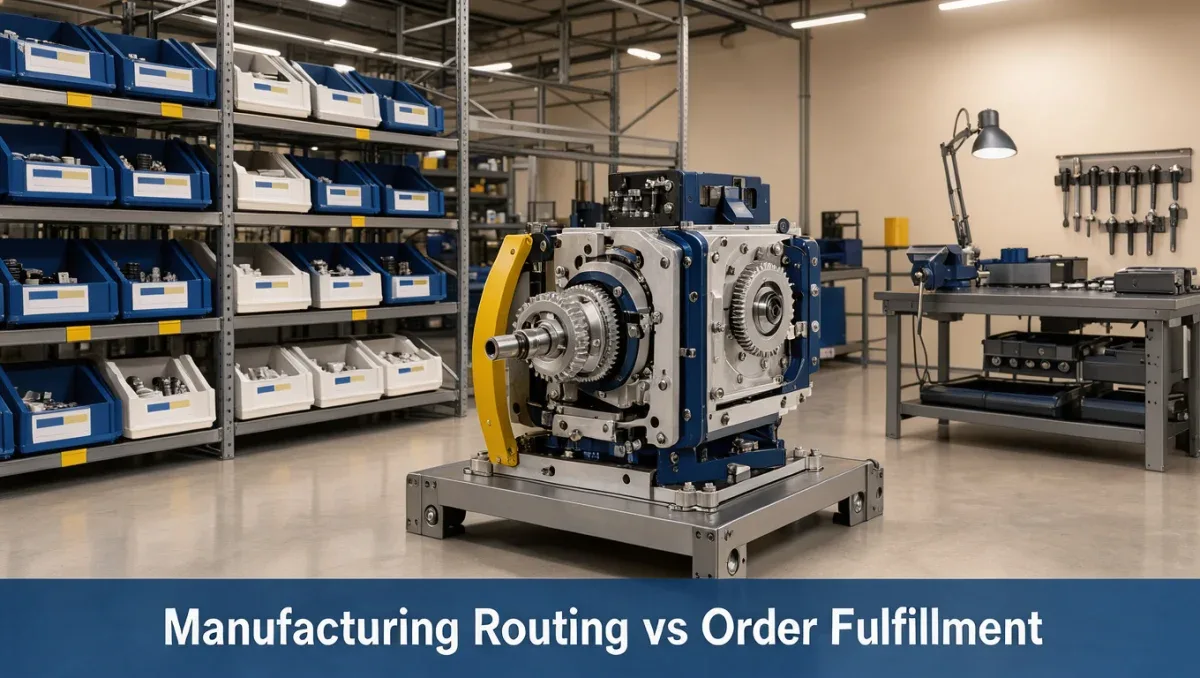
MRPeasy is built as dedicated manufacturing software for small and midsize producers. It handles production scheduling, material requirements planning, inventory control, and shop-floor tracking, connecting raw materials, intermediate assemblies, and finished goods to worker hours, equipment availability, and customer delivery dates.
SOS Inventory is positioned mainly as an inventory and order management solution with light manufacturing features. It serves businesses that need purchasing, order fulfillment, and stock tracking synchronized with their accounting software. Its strength lies in following items through sales channels, warehouses, and fulfillment stages, which suits wholesale operations, distribution hubs, and simpler assembly environments.
3. Which One Fits Your Situation
Choosing operational software means matching system capabilities to your everyday bottlenecks. The Best Coupon Blogs editorial approach stresses aligning real production constraints with software architecture rather than comparing feature counts alone.
| Situation | Choose MRPeasy if | Choose SOS Inventory if |
|---|---|---|
| Multi-level bills of materials | You build complex assemblies requiring sub-assemblies and strict routing stages | Your bills of materials are single-level kits or basic component bundles |
| Capacity planning | You need to assign tasks to specific machines and track worker station capacity | Your production relies on outsourced partners or basic assembly lines |
| Sales channel sync | Your primary focus is shop-floor execution rather than retail fulfillment | You manage high-volume wholesale shipments and retail distributor orders |
| Batch and lot tracking | You require strict traceability from raw material receipt through production lines | You track serial numbers and expiration dates primarily during warehouse handling |
| Implementation timeline | Your team is ready to define bill of materials routing before launch | You want warehouse inventory counts established before refining assembly steps |
4. How to Compare Them Yourself
The most reliable way to evaluate MRPeasy vs SOS Inventory is to test each platform with your own operational data. Consider these seven areas during your assessment period.
4.1. Features
Test how each platform handles your most intricate product structure. Build a complete bill of materials, generate a purchase order for missing components, and run a simulated production order to see how material reservations update inventory.
4.2. Ease of Use
Have your shop-floor staff and warehouse team complete basic data entry tasks. Count how many screens an operator must navigate to finish a job, update stock levels, or log labor hours during a standard shift.
4.3. Pricing and Value
Vendors adjust tier structures periodically. Confirm on the official MRPeasy pricing page and the official SOS Inventory pricing page how user seats, administrative licenses, and operational roles affect your recurring cost.
4.4. Integrations
Verify data exchange with your accounting system, shipping carriers, and storefronts. Check both official websites to see whether specific connectors require third-party middleware or separate subscriptions.
4.5. Audience Fit
Decide whether your business works primarily as a producer transforming raw materials or as a distributor managing finished goods. Align your choice with the operational profile each vendor targets.
4.6. Support
Review onboarding guidance, documentation libraries, and customer care options on each official site. Confirm what training is included during initial setup before signing a contract.
4.7. Competitive Position
Examine how each system differentiates itself in the manufacturing and inventory market. MRPeasy emphasizes shop-floor control, while SOS Inventory emphasizes streamlined order management alongside connected financial ledgers.
5. Cost Checklist for Both Tools
Total software expense often includes more than the base subscription. Use this checklist during sales conversations to uncover recurring and setup costs.
| Cost Item | Ask about MRPeasy | Ask about SOS Inventory |
|---|---|---|
| User seat access | Check how many full administrators and shop-floor viewers each plan includes | Confirm how administrative, sales, and warehouse roles are billed |
| Data storage and history | Verify whether file attachments and historical production logs have caps | Ask whether transaction volume limits apply to high-frequency order processing |
| Integration connectors | Check whether linking to your financial software requires a higher tier | Confirm whether multiple sales channel integrations add subscription charges |
| Onboarding guidance | Ask what assisted setup or implementation consulting packages cost | Check pricing for structured data migration and initial staff training |
6. How to Decide
- Map your process from raw material intake to final packing to determine whether your main need is shop-floor scheduling or warehouse dispatch.
- Prepare a sample data set of five real products, including sub-assemblies, vendor lead times, and storage locations.
- Run parallel trials by entering identical order scenarios into both platforms to compare navigation and reporting clarity.
- Ask your accountant to confirm that inventory valuation methods match your financial reporting practices.
- Review current pricing and subscription terms directly on each vendor's official website before signing an annual agreement.
7. Frequently Asked Questions
Which system fits discrete manufacturing environments better?
Operations that transform raw components through multi-stage machinery or dedicated assembly lines generally align more closely with MRPeasy. Its logic centers on bill of materials routing, workstation capacity management, and worker scheduling, helping planners balance bottlenecks against customer ship dates.
Can warehouse distribution teams run effectively on these platforms?
Distribution businesses and wholesale suppliers handling finished products often fit SOS Inventory well. The platform focuses on sales order management, purchase order generation, and multi-location stock movements, which suits teams whose daily work revolves around fulfillment rather than production lines.
How should small teams approach data migration for these tools?
Start by auditing existing part numbers, vendor catalogs, and bills of materials in spreadsheet form before importing. Standardizing item descriptions, reorder points, and units of measure prevents bad inventory values from carrying into your new database.
What role does accounting software play when choosing between them?
Both platforms share transactional data with external accounting ledgers. Because inventory adjustments, cost of goods sold, and asset valuations must reflect accurate balances, review integration guides with your bookkeeper to confirm how each platform handles journal entries.
8. Final Verdict
| Criterion | MRPeasy score /10 | SOS Inventory score /10 | Reason |
|---|---|---|---|
| Features | 8.5 | 7.4 | MRPeasy offers deeper production routing and capacity scheduling, while SOS Inventory centers on order fulfillment |
| Ease of Use | 7.2 | 8.4 | SOS Inventory has a gentler learning curve for order handling, whereas MRPeasy requires detailed manufacturing setup |
| Pricing and Value | Confirm before buying | Confirm before buying | Review official pricing pages directly because seat structures, plan tiers, and add-on modules vary |
| Integrations | Confirm before buying | Confirm before buying | Verify official documentation for supported accounting platforms and storefront connections |
| Audience Fit | 8.0 | 8.1 | MRPeasy fits dedicated manufacturers, while SOS Inventory fits distributors and light assemblers |
| Support | Confirm before buying | Confirm before buying | Check vendor websites for current onboarding options, response commitments, and training packages |
| Competitive Position | 8.3 | 7.7 | MRPeasy keeps a clear focus on small-scale industrial production, whereas SOS Inventory targets broader inventory operations |
| Overall score | 8.0 | 7.9 | Overall scores reflect the average of rated criteria based on operational focus and positioning |
Businesses struggling with machine scheduling, workstation loading, and detailed production routing will find MRPeasy structurally suited to those demands. Organizations whose main challenge is managing customer sales orders, wholesale shipments, and multi-location warehouse inventory will coordinate more smoothly with SOS Inventory.
Have a question about choosing software? Send it to the Best Coupon Blogs team through our E-commerce section or follow us on LinkedIn for new reviews and comparisons.