bestcouponblogs may earn a commission when you buy through links on this page, at no extra cost to you. This does not affect our ratings.
Merchants who ship daily often reach a point where printing labels one carrier portal at a time becomes a bottleneck. A shippo fedex setup pulls order data into one queue, so staff can generate labels, check destination addresses, and monitor parcels without switching between systems. Our reviewers at Best Coupon Blogs assess whether this kind of multi-carrier tool fits a given shipping volume and order mix.
The right dispatch tool depends on how your order volume, pickup schedule, and package sizes line up with carrier rules. Working through a few key checkpoints helps you avoid surprise surcharges and delays on the packing floor.
Quick verdict: With a bestcouponblogs score of 7.9/10, a shippo fedex integration suits growing merchants who need consistent label printing and tracking across sales channels. Occasional shippers with few parcels each month may be better served by direct carrier drop-off portals.
| Metric | Evaluation |
|---|---|
| bestcouponblogs score | 7.9/10 |
| Best for | Growing merchants handling multi-channel parcel fulfillment across several daily dispatches |
| Not ideal for | Occasional shippers sending sporadic parcels without recurring store orders |
| Key strengths | Unified label printing, automated order importing, and multi-carrier rate comparison |
| What to check before buying | Review account-specific carrier contract terms, volume tier conditions, and surcharge rules on the official carrier and software portals |
1. How bestcouponblogs Reviewed Shippo FedEx
This review examines what the platform is designed to do, who it serves, and how it stacks up against similar tools. We used seven bestcouponblogs criteria: features, ease of use, pricing and value, integrations, audience fit, support, and competitive position. Plans, prices, and limits change frequently, so confirm current details on the official website before purchasing. This article was researched and drafted with AI assistance, then reviewed and edited by the bestcouponblogs Editorial Team.
2. What Shippo Is and How Carrier Workflows Run
Shippo is a multi-carrier shipping management platform that connects ecommerce order data with parcel carrier networks. It gathers orders, runs address checks, and produces standardized shipping labels along with tracking updates. When a FedEx account is linked, merchants can print shipping documents against their negotiated enterprise account or a standard platform account.
Logistics is a core part of modern operations, and dispatch software sits alongside broader Collaboration & Productivity tools that keep teams coordinated. In fulfillment, these platforms remove the need to retype customer names, destinations, and package weights. Staging orders, preparing customs paperwork, and arranging pickup manifests can all happen from one digital dashboard.
3. Core Features for Carrier Shipping
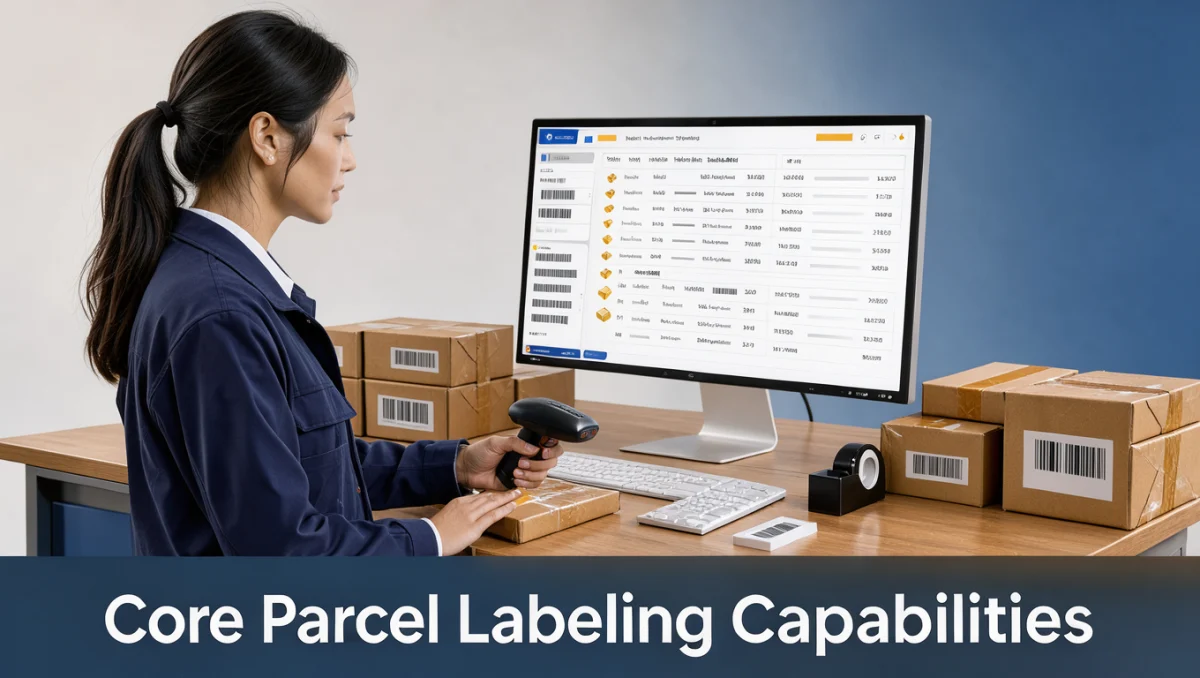
Shipping software typically centers on a few operational pillars that move products from warehouse shelves into carrier networks. Knowing these groups helps logistics managers match tool capabilities to real warehouse needs.
3.1. Automated Label Generation and Batch Processing
Label creation converts raw order data into scannable barcodes that meet carrier specifications. Users import orders from storefronts, enter weight details, and print labels formatted for thermal or laser printers. Batch workflows let teams process many pending orders at once and export packing slips and tracking numbers in consolidated files.
3.2. Address Validation and Rate Comparison
Address verification checks destination details against postal databases before labels are printed. This catches missing suite numbers, incorrect postal codes, and invalid street names, which helps reduce return fees and delivery delays. Rate comparison tools also display transit times and base freight estimates across service levels, so dispatch managers can weigh speed against cost.
3.3. Outbound Tracking and Post-Purchase Visibility
Tracking modules gather scan events from transport hubs into a single status view. After a parcel receives its first induction scan, automated notifications can send tracking links to customers. Consolidating tracking numbers for domestic ground, express, and international shipments lets support staff answer delivery questions without searching multiple carrier systems.
4. Ease of Use and Learning Curve
Dispatch platforms usually emphasize clean order queues and simple navigation to speed up warehouse onboarding. New fulfillment staff typically learn single-label generation within a short orientation. Moving between unfulfilled orders, print queues, and shipping history follows straightforward patterns that reduce data-entry mistakes.
Complexity rises when setting up custom automation rules, packaging presets, and international customs declarations. Configuring carrier account credentials, tariff codes, and commercial invoice settings needs careful administrative attention. Warehouse teams should define standard box sizes and item weights early to keep the packing floor running smoothly.
5. Pros and Cons of Managing Shipments via Software
Multi-carrier platforms trade centralized efficiency against platform dependence and the work of configuring carrier accounts.
5.1. Advantages of Centralized Shipping
- Multi-channel orders consolidated into one fulfillment dashboard.
- Automated address verification before labels are generated.
- Fewer manual copy-and-paste errors on the packing line.
- Pick lists, packing slips, and carrier labels created at the same time.
5.2. Operational Considerations and Limitations
- Carrier connections require ongoing upkeep of security credentials and billing details.
- Accessorial charges such as residential surcharges, fuel adjustments, and address correction fees appear on final invoices regardless of label estimates.
- Fulfillment remains tied to carrier transit schedules and pickup availability.
6. Shippo Compared with Similar Tools
Shipping management software serves distinct buyer profiles, so product positioning matters when matching a platform to your parcel volume and fulfillment setup.
| Platform | Target Audience | Primary Focus |
|---|---|---|
| Shippo | Growing ecommerce merchants and boutique retailers | Accessible multi-carrier label generation and straightforward order aggregation |
| ShipStation | High-volume warehouses and complex multi-channel operations | Advanced automation rules, barcode scanning, and multi-location inventory routing |
| EasyPost | Developers and enterprise product teams | API-first logistics infrastructure for custom software integrations |
Developer-focused platforms center on raw API access, and enterprise warehouse systems prioritize advanced sorting hardware. Shippo is built around approachable, web-based order handling. Buyers should determine whether their bottleneck is simple label printing speed or complex multi-warehouse routing before choosing a platform.
7. Who Should Use This Shipping Setup
Fulfillment needs differ across business models. Identifying your profile helps you balance software capability against administrative effort.
7.1. Small and Medium Online Retailers
Owners of independent web stores benefit from linking their sales channels directly to carrier label printing. Removing manual data entry saves hours during peak periods, and automatic tracking updates keep customers informed in transit.
7.2. Multi-Channel Sellers
Merchants selling across several marketplaces need central queues to avoid missed shipments. Bringing orders from different platforms into one dispatch screen keeps fulfillment consistent across every brand channel.
7.3. Solo Operators with Sporadic Shipping
People sending a few packages a month may not need specialized shipping software. Direct carrier drop-off portals or retail counters work well for infrequent shipping without extra configuration.
8. How to Choose the Right Plan and Carrier Configuration
Shipping software subscriptions usually scale by order volume, automation access, or carrier connection options. Checking specific operational details helps avoid unexpected costs.
| What to Check | Why It Matters |
|---|---|
| Carrier account connectivity rules | Confirm on the official platform portal whether linking your own negotiated carrier account requires a particular subscription tier. |
| Monthly label volume limits | Check official pricing pages for transaction fee thresholds or tier ceilings before volume spikes occur. |
| Automation rules and filter criteria | Review official software specifications to verify which automation presets each plan supports. |
| Multi-user seat allocations | Confirm the number of administrative users allowed so packing staff can work under appropriate permission levels. |
| Custom packing slip options | Check whether branded tracking pages and custom packing documents meet your customer experience standards. |
9. Frequently Asked Questions
9.1. Which factors determine shipping label costs for parcel carriers?
Label prices depend on dimensional weight, package measurements, destination zones, delivery speed, and variable surcharges such as fuel and residential delivery fees. Compare your typical package sizes on carrier rate calculators to establish cost baselines.
9.2. What should merchants review before connecting a carrier account?
Merchants should verify active carrier account credentials, negotiated discounts, meter numbers, and invoicing terms. Confirm on official platform configuration guides how billing responsibilities and label reconciliation are handled.
9.3. How do shipping platforms handle international customs declarations?
Software generates electronic commercial invoices and customs documents from item descriptions, values, country of origin codes, and harmonized system numbers entered during order preparation. Confirm export filing requirements on national customs portals before international dispatch.
9.4. What is the difference between retail rates and negotiated carrier rates?
Retail rates are standard counter prices for casual shippers, while negotiated rates reflect contracts between high-volume merchants and carriers based on annual freight commitments. Speak with carrier account representatives to learn which volume brackets qualify.
10. Final Verdict
Dedicated fulfillment platforms offer structured advantages for growing businesses. The full score breakdown across the seven bestcouponblogs criteria appears below.
| Criterion | Score /10 | Reason |
|---|---|---|
| Features | 8.2/10 | Covers core parcel needs including address verification, batch label generation, and tracking alerts. |
| Ease of Use | 8.5/10 | A simple visual layout lets packing staff learn order queues with minimal onboarding. |
| Pricing and Value | 7.5/10 | Buyers should compare official subscription tiers against projected monthly parcel volume to judge total value. |
| Integrations | 7.8/10 | Users should check official documentation to confirm compatibility with their storefront and carrier accounts. |
| Audience Fit | 8.0/10 | A strong match for growing ecommerce stores, though high-volume automated distribution centers may need specialized sorting logic. |
| Support | 7.2/10 | Prospective buyers should review official support channels and response guidelines against their fulfillment schedules. |
| Competitive Position | 8.1/10 | Sits between complex developer logistics APIs and standard carrier counter options. |
| Overall Score | 7.9/10 | A dependable, accessible option for standardizing parcel dispatches and reducing manual fulfillment errors. |
Growing merchants looking for structured order processing, clean thermal label printing, and reliable tracking will find value in unified shipping software. Evaluate your monthly parcel volume and review official carrier surcharge documentation to keep freight budgets under control.
Have questions about your fulfillment software stack? Contact the editorial team at https://bestcouponblogs.com/contact/ or follow bestcouponblogs on LinkedIn at https://www.linkedin.com/company/bestcouponblogs/ for ongoing updates on logistics technology and operational tools.