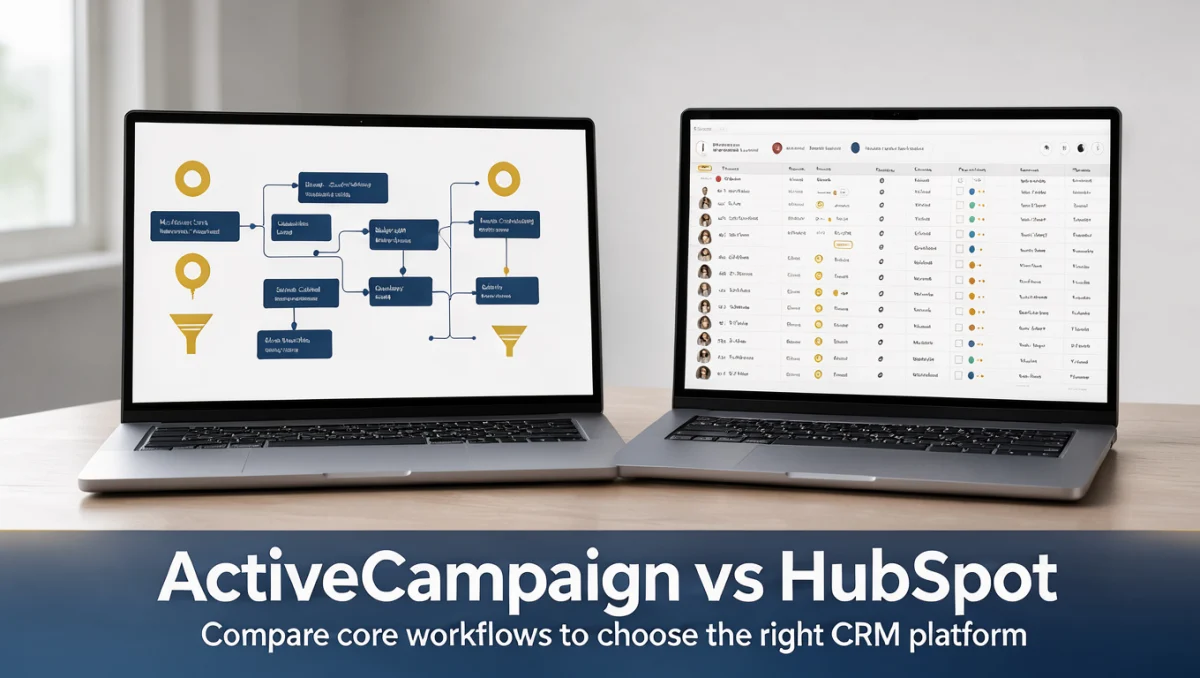
Editorial disclosure: While readers may generate affiliate commissions for our publication, this guidance remains strictly objective and independent. Selecting the optimal marketing engine represents a transformative milestone for any growing enterprise. When navigating activecampaign vs hubspot, professionals generally encounter two divergent philosophies: a hyper-specialized engine crafted for conditional subscriber paths, versus an expansive operational hub uniting customer lifecycles across diverse functional groups.
Assessing both platforms through the analytical framework at Best Coupon Blogs, it becomes clear that internal operational preferences dictate success far more than arbitrary feature checklists. The right software must naturally align with your team's existing skill sets, pipeline architecture, and long-range expansion goals.
Executive Summary: Evaluating both ecosystems produces a consolidated benchmark score of 8.0 out of 10. While ActiveCampaign is unmatched for complex visual sequence engineering, HubSpot delivers a unified ecosystem connecting service desks, sales pipelines, and inbound capture. Solo operators seeking basic blast-style email delivery without branching logic should seek simpler options.
| Evaluation Metric | Operational Summary |
|---|---|
| Consolidated Score | 8.0 / 10 |
| Optimal Audience | Enterprises balancing intricate nurturing trees with organized opportunity management |
| Unfavorable For | Single-user accounts seeking static broadcasts without behavioral tracking triggers |
| Standout Capabilities | Interactive customer mapping, responsive pipelines, deep tagging, and trigger-based actions |
| Pre-Purchase Precaution | Inspect live vendor sites regarding tier limits, seat constraints, and potential setup fees |
Evaluation Framework and Methodology

Our systematic review assesses these solutions through seven core functional parameters: capability depth, daily user friction, commercial structure, ecosystem connectivity, target user suitability, vendor reliability, and market strength. Because tier parameters and seat models shift periodically, we recommend validating exact provisions on vendor portals before purchase. This analytical document was drafted with modern research tools and finalized through our editorial review board.
Fundamental Architectural Differences
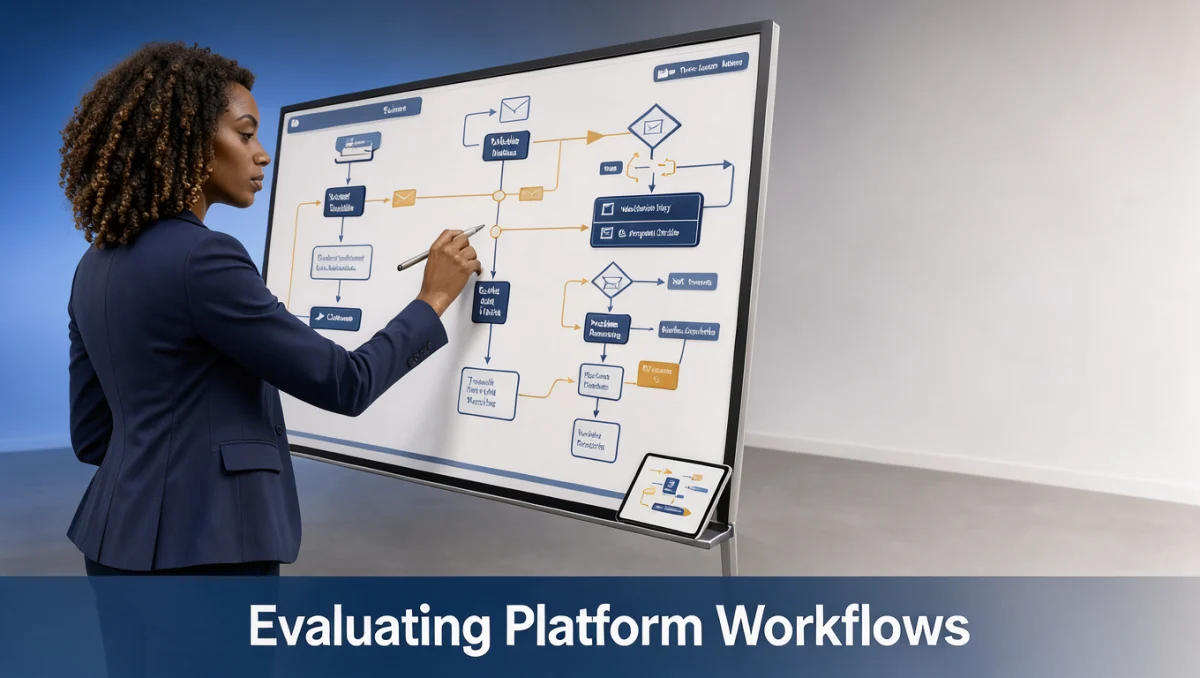
At its core, ActiveCampaign operates as an engine focused on behavioral responsiveness. The system excels when orchestrating conditional subscriber branches, event-driven triggers, and precise recipient categorization to power day-to-day engagement initiatives.
Conversely, HubSpot establishes an expansive, centralized database uniting fragmented enterprise activities. It offers a structured home base for teams requiring linked records across pipeline development, help desk management, website engagement, and lead acquisition.
When reviewing options in the wider Marketing ecosystem, operational requirements must precede purchasing commitments. If your team prioritizes granular, website-triggered email journeys, ActiveCampaign caters directly to that priority. If your goal centers on uniting departmental records across deal tracking and post-sale care, HubSpot delivers that cohesive foundation.
Strategic Positioning Matrix
Though both tools empower business expansion, their structural foundations diverge sharply. Here is an overview of their strategic market alignment:
| Solution | Primary Audience | Core Advantage | Optimal Context |
|---|---|---|---|
| ActiveCampaign | Groups prioritizing complex engagement funnels and activity-based actions | Sophisticated visual logic canvases and granular segmentation controls | Growth relies extensively on automated drip journeys |
| HubSpot | Enterprises seeking shared visibility across sales, support, and capture | Unified central record database pairing inbound capture with pipelines | Shared oversight across departmental boundaries is essential |
Detailed Criteria Evaluation
Functional Capabilities
ActiveCampaign delivers powerful tools for mapping sophisticated, branch-heavy campaign journeys. Administrators can construct dynamic paths responding to browsing actions, link interactions, and lifecycle phases. Its internal opportunity tracking is closely connected to these automations, advancing prospective clients through funnel stages via pre-set conditions.
HubSpot delivers an all-inclusive dashboard combining capture forms, message distribution, pipeline monitors, and help desk ticket queues into an unbroken timeline. Each contact page displays a transparent chronological record detailing page visits, inquiries, and staff correspondence across every department.
Teams must determine whether their daily activities revolve primarily around granular journey design or shared multi-role client records.
Platform Usability
Mastering ActiveCampaign entails familiarization with nested tags, specialized data properties, and automated triggers. Users accustomed to process flowcharts thrive quickly, whereas non-technical staff may find the initial setup curve steep when launching advanced sequences.
HubSpot prioritizes structural cohesion across its modular toolsets. Configuration panels, timeline feeds, and visual analytics adopt identical organizational patterns, reducing onboarding friction for multi-role employees who navigate different tools each day.
Functional sophistication often brings administrative demands, making it critical to align the interface with your staff's technical competence.
Financial Value and Licensing
Enterprise subscription commitments typically fluctuate based on stored audience scale, administrative user access, or premium utility gates. Total costs naturally rise as subscriber counts expand and additional staff require platform seats.
ActiveCampaign calculates its subscription tiers according to contact counts alongside feature access. Prospective clients must examine official ActiveCampaign billing documents to see how list thresholds shape ongoing expenses over time.
HubSpot divides its pricing across dedicated operational suites, pairing distinctive access tiers with specific seat types. Teams should inspect the official HubSpot catalog to determine if mandatory implementation packages or minimum seat rules affect their entry level.
Connectivity and Integrations
Smooth marketing workflows require reliable data flow between checkout portals, online forms, eCommerce systems, and streaming meeting platforms. Both providers feature mature directories that facilitate integration with external tools.
ActiveCampaign uses two-way synchronization to process commerce events and usage data, activating targeted messages automatically. Teams should review their integration listings to see if specific systems require secondary synchronization bridges.
HubSpot serves as an authoritative central repository, pulling external metrics into its timeline profiles. Stakeholders should check developer guides to ensure their desired connectors do not demand higher tier tiers.
Audience Alignment
ActiveCampaign caters naturally to direct-to-consumer retailers, creators, and specialized marketing teams that need sophisticated message delivery without deploying an enterprise-wide suite. It thrives where detailed email logic directly converts audiences.
HubSpot is engineered for scaling business-to-business organizations, sales-driven outfits, and multi-department teams requiring shared visibility across sales reps, account executives, and client retention agents in a single portal.
Choosing the best path comes down to whether your day-to-day focus centers on an isolated messaging funnel or an enterprise-wide revenue pipeline.
Customer Support Options
Vendor assistance is vital when resolving technical roadblocks during critical launches or complex database imports. Support access generally scales with the selected subscription level, spanning community knowledge bases, forum channels, chat options, and direct telephone help.
ActiveCampaign specifies support channels on its help portal. Users should check the live website to verify whether real-time chat or advisory sessions apply to their specific tier.
HubSpot supplements account-dependent customer assistance with comprehensive self-paced certifications and community forums. Prospective buyers should check current plan disclosures to confirm which immediate support channels accompany their planned tier.
Market Stature
ActiveCampaign enjoys a commanding presence among specialized automation solutions, serving teams that demand complete command over complex communication trees.
HubSpot commands a leading role in the holistic inbound ecosystem, frequently competing with major enterprise platforms by unifying the entire buyer journey inside one cohesive framework.
Both platforms are well-established industry standards, offering dependable software stability regardless of which direction you select.
Choosing the Right Fit for Your Business
Finalizing your selection between these tools calls for an honest audit of your technical resources, communication priorities, and budget limitations.
Identify Your Primary Operational Needs
Clarify whether your operational roadblocks stem from limited nurturing capabilities or disjointed team records. If your strategy focuses primarily on behavioral nurturing, ActiveCampaign matches that need. If friction stems from disconnected sales and support workflows, HubSpot provides the necessary alignment.
Prepare for Technical Onboarding
Transitioning between customer management tools involves cleansing lists, mapping custom fields, and rebuilding core campaign pathways. Preparing your infrastructure early prevents unnecessary launch delays.
- Organize existing tags, clean out unengaged subscribers, and catalogue custom data fields before exporting.
- Designate clear administrative ownership for managing integration setups and testing automated pathways.
- Assess whether retaining full historical activity records is essential during the platform transition.
Calculate True Ownership Costs
The base subscription price rarely captures the entire financial commitment. Ensure your finance team evaluates potential secondary platform expenses on official channels:
- Confirm seat pricing distinctions across administrative, edit-capable, and read-only team members.
- Analyze audience expansion tiers to anticipate renewal adjustments as subscriber counts grow.
- Identify whether professional onboarding or guided configuration services are mandatory for your chosen plan.
Frequently Asked Questions
How should an organization pick between isolated journey builders and consolidated platforms?
Organizations should determine whether their main obstacle lies in complex messaging logic or cross-departmental data silos. If the priority is orchestrating detailed behavioral email tracks, a specialized automation tool is ideal. If sales reps and support staff need shared access to client history, a centralized ecosystem is the better choice.
Why do recurring software costs increase as systems mature?
Subscription costs generally rise as stored contact volumes expand or new staff members require dedicated account seats. Furthermore, vendors often place sophisticated logic and analytics behind higher plan levels. Evaluating projected database growth against vendor pricing tables helps protect long-term budget predictability.
What practices support a secure data migration?
Start by trimming invalid email addresses and consolidating redundant contact properties before migration. Aligning custom fields carefully between systems prevents data loss during importing. Finally, run pilot campaigns with smaller recipient lists to ensure automation triggers work correctly before going fully live.
When is external implementation support recommended?
Organizations managing intricate pipeline stages, multi-channel revenue attribution, or strict data governance guidelines benefit substantially from certified experts. Professional implementation ensures clean API setups, establishes proper role permissions, and creates an efficient structural setup that prevents expensive reconfigurations later.
Final Recommendations
Both systems deliver impressive functionality for contemporary operations, yet they approach business communication through fundamentally distinct models. Your operational priorities should steer the ultimate decision.
| Assessment Category | Score (1–10) | Core Justification |
|---|---|---|
| Functional Depth | 8.5 | Advanced visual automation engines measured against extensive multi-departmental records |
| Usability | 7.5 | Flowchart logic entails a learning curve, whereas structured navigation streamlines broad tasks |
| Commercial Value | 7.0 | Carefully verify seat licensing thresholds, tier mandates, and contact growth bands |
| Third-Party Connectivity | 8.0 | Expansive app ecosystems, though specific sync utilities may require higher plan levels |
| Audience Alignment | 9.0 | Distinctly tailored to either journey specialists or unified cross-department teams |
| Assistance and Guidance | 7.5 | Review available assistance avenues and turnaround standards across intended plan tiers |
| Market Positioning | 8.5 | Respected leadership across dedicated automation platforms and unified CRM ecosystems |
Benchmark Rating: 8.0 / 10
ActiveCampaign is the logical choice for teams requiring deep, dynamic journey logic triggered by subscriber behavior. HubSpot represents the superior route for organizations seeking unified alignment across sales pipelines, marketing programs, and customer service records in one shared home.