bestcouponblogs may earn a commission when you buy through links on this page, at no extra cost to you. This does not affect our ratings.
Deciding between Katana MRP and Cin7 comes down to a single question: are you mainly making products, or mainly moving finished stock through many sales channels? Both tools track inventory and give operations teams real-time visibility, but they start from very different workflows. Reviewing the katana mrp vs cin7 trade-offs through bestcouponblogs can help you avoid choosing software that fits a different operating reality than your own.
Quick verdict: with an overall bestcouponblogs score of 7.8/10, each platform serves a specific operating model. Workshop and discrete manufacturers gain the most from Katana MRP, while brands handling wholesale and direct-to-consumer distribution across several retail channels generally align better with Cin7. Neither is a good match for very small sellers who only need a simple billing spreadsheet.
| Evaluation Metric | Summary |
|---|---|
| bestcouponblogs score | 7.8/10 |
| Best for | Operations balancing manufacturing assemblies against multichannel sales distribution |
| Not ideal for | Sole proprietors needing simple manual stock logs without supply chain tracking |
| Key strengths | Production floor scheduling, material requirements planning, multichannel retail synchronization |
| What to check before buying | Confirm user access allocations and sales channel connectivity requirements directly on official vendor pages |
1. How bestcouponblogs Reviewed Katana MRP and Cin7
This review examines what Katana MRP and Cin7 are designed to do, who they serve, and how they compare with similar tools. We applied seven bestcouponblogs criteria: features, ease of use, pricing and value, integrations, audience fit, support and competitive position. Plans, prices and limits change frequently, so confirm current details on each vendor's official website before buying. This article was researched and drafted with AI assistance, then reviewed and edited by the bestcouponblogs Editorial Team.
2. Short Answer: The Core Trade-Off Between Katana MRP and Cin7
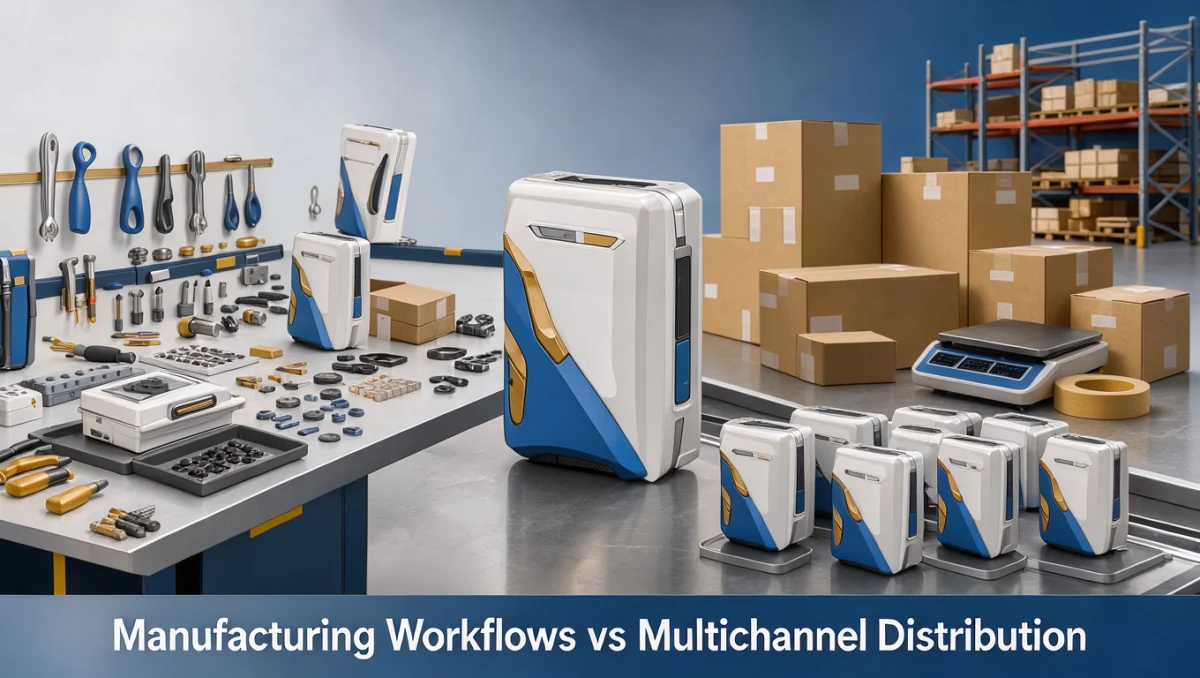
The real difference is whether your daily priority is making products or routing finished inventory to customers across channels. Katana MRP is built around the bill of materials, shop floor tracking and production scheduling. It suits businesses that turn raw materials into finished goods and need to see component availability before starting a production run.
Cin7 focuses on coordinating inventory across fragmented sales channels, third-party logistics centers and wholesale networks. It emphasizes automated order routing, electronic data interchange for large retailers, and visibility across multiple warehouse locations. Cin7 handles basic light manufacturing, but its main strength is reducing stock distribution friction for growing commercial brands.
| Software Platform | Best for | Core Strength | Consider If |
|---|---|---|---|
| Katana MRP | Workshop makers and growing product manufacturers | Visual shop floor scheduling and material requirements planning | Your primary bottlenecks occur on the assembly floor or in component purchasing |
| Cin7 | Multichannel retailers and wholesale brand distributors | Omnichannel order routing and warehouse inventory allocation | Your main operational complexity involves coordinating stock across warehouses, retail stores, and online marketplaces |
3. Comparing Katana MRP and Cin7 Across the Seven Criteria
3.1. Features: Production Management vs Channel Distribution
Each platform's features reflect its design goals. Katana MRP organizes work around production recipes, material availability status and manufacturing order priorities. Teams can trace component stock down to the batch level, generate shop floor tasks and track production progress in real time, giving workshop supervisors a clear view of whether an assembly line can run without shortages.
Cin7 directs its functionality toward commercial distribution: retail point of sale, electronic data interchange connections and warehouse fulfillment. It coordinates stock movements between physical stores, digital storefronts and third-party logistics centers. In short, Katana MRP focuses on what happens inside the factory, while Cin7 focuses on what happens once goods leave it and enter commercial sales channels.
3.2. Ease of Use and Implementation Overhead
Implementation effort is a major factor when adopting inventory systems. Katana MRP generally offers a modern visual interface designed to reduce onboarding friction for workshop leads and inventory controllers. Its drag-and-drop production scheduling lets planners reorder jobs intuitively, with material availability recalculated across dependent assemblies.
Cin7 covers a broader range of distribution workflows, which means a steeper learning curve and a more structured onboarding process. Setting up automated order routing, retail store synchronization and warehouse locations requires deliberate administrative planning. Teams evaluating Cin7 should allocate dedicated internal time to configure business rules properly before launch.
3.3. Pricing and Value Alignment
Subscription pricing in the inventory sector typically reflects usage, user seats and operational volume. Vendors in this space often adjust subscription tiers, feature gates and add-on structures, so value depends on how your costs will change as your operation grows.
Before deciding, check the official Katana MRP pricing page and the official Cin7 pricing page to confirm seat allowances, transaction thresholds and add-on costs. Implementation services, specialized training and extra connectors often require separate budgeting, so audit your annual operating costs thoroughly.
3.4. Integrations and Ecosystem Connectivity
Connecting supply chain software with accounting ledgers, ecommerce storefronts and shipping providers prevents costly data silos. Katana MRP works smoothly with modern cloud accounting tools and direct-to-consumer platforms, keeping financial books aligned with manufacturing costs without heavy manual reconciliation.
Cin7 offers deep distribution connectivity, particularly with electronic data interchange platforms for enterprise retailers, specialized logistics providers and point-of-sale hardware. Buyers should review the official integration directories of both platforms to confirm that critical business applications are supported natively and do not require custom development.
3.5. Audience Fit Across Industry Profiles
Audience fit depends on where a business creates value. Katana MRP is tailored to direct-to-consumer manufacturers, custom craft producers, electronics assemblers and batch chemical formulators. These organizations care about scrap rates, bill of materials accuracy and component purchasing lead times.
Cin7 targets consumer packaged goods brands, apparel companies, wholesale importers and multi-location retail chains. These businesses buy finished goods from external factories and focus their resources on optimizing stock levels across retail partners, regional warehouses and online marketplaces.
3.6. Support Infrastructure and Operational Onboarding
Inventory and production platforms manage mission-critical data, so support availability matters. When order synchronization stalls or production schedules break down, buyers need responsive help to prevent shipping delays.
Review the official support policies of Katana MRP and Cin7 to see what onboarding help, live support channels and documentation come with each subscription level. Many enterprise vendors reserve priority phone support or dedicated implementation consultants for higher-tier agreements.
3.7. Competitive Position in the Inventory Market
Within the broader enterprise software landscape, Katana MRP and Cin7 sit below large resource planning suites such as NetSuite or SAP. Both give growing companies targeted capabilities without the multi-year implementation cycles typical of legacy enterprise systems.
Katana MRP competes with specialized manufacturing tools such as MRPEasy and emphasizes contemporary interface design. Cin7 competes with multichannel inventory systems such as Fishbowl and Brightpearl, offering broad retail ecosystem coverage. Teams reviewing broader Collaboration & Productivity tools often evaluate these systems to replace fragmented spreadsheets across departments.
4. Detailed Operational Workflows: Katana MRP vs Cin7
4.1. The Manufacturing and Assembly Workflow
Managing production requires software that understands the relationship between sub-assemblies, raw ingredients and labor stages. In Katana MRP, a production manager defines a multi-level bill of materials listing required components and expected labor operations. When a sales order arrives from an online shop, the system immediately checks warehouse component stock.
- The platform checks raw material levels against active manufacturing orders.
- Automated status indicators show whether materials are in stock, expected via purchase orders, or missing.
- Production managers reorder manufacturing priorities using visual drag-and-drop boards.
- Shop floor operators update job statuses as tasks pass through individual workstations.
- Finished goods automatically update inventory records upon manufacturing order completion.
Cin7 approaches manufacturing through an assembly or kitting model. It lets companies combine finished components into bundled packages or assemble simple products for wholesale distribution. Organizations running complex multistage shop floor routing, however, often find that a dedicated manufacturing platform fits their daily rhythm more closely.
4.2. The Multichannel Distribution and Wholesale Workflow
Multichannel distribution means managing inventory across several commercial channels while preventing overselling. Cin7 handles this by maintaining centralized visibility across physical retail locations, online platforms and wholesale portals.
- Orders arrive simultaneously from digital storefronts, retail point-of-sale units and wholesale partners.
- The system allocates available stock according to predetermined distribution rules.
- Orders route automatically to specified fulfillment centers or third-party logistics warehouses.
- Shipping documentation and tracking numbers generate and sync back to the sales channel.
- Stock levels update across all remaining sales channels to prevent duplicate selling.
Katana MRP syncs with leading ecommerce platforms and supports multichannel sales, but its core tooling is anchored in fulfilling orders from production rather than managing large retail store networks or complex electronic data interchange agreements.
5. How to Decide: Strategic Framework for Your Business

Choosing between Katana MRP and Cin7 means evaluating your operational workflow rather than comparing generic feature checklists. Operational leaders can work through the following steps:
- Map your primary cost driver. If margins depend on raw material scrap rates, assembly labor efficiency and purchasing lead times, production planning software should be your focus.
- Map your main distribution friction. If missed shipping deadlines, stock discrepancies across retail channels or manual wholesale document entry cause recurring problems, multichannel distribution software should lead your shortlist.
- Audit your internal technical capacity. Complex multichannel routing often needs dedicated administrative oversight, while visual production tools can be adopted faster by workshop leads.
- Consult your accounting lead. Make sure the inventory solution you choose integrates cleanly with your general ledger to keep inventory asset valuations reliable.
6. Frequently Asked Questions
What are the primary operational differences between these two inventory platforms?
The main difference is operational focus. One platform specializes in production scheduling, component availability tracking and bill of materials management for manufacturers. The other focuses on multichannel distribution, retail point of sale, electronic data interchange connections and multi-location warehouse routing for commercial brands.
How should a growing business choose between manufacturing-led and distribution-led software?
Start by identifying where your team spends the most manual effort each week. If operations spend significant hours planning shop floor tasks and calculating component purchasing schedules, a manufacturing-focused platform is the better fit. If the main struggle is stock synchronization across sales channels and warehouses, a distribution-focused platform offers more leverage.
What additional expenses should buyers budget for besides software subscriptions?
Budget for data migration, team training, barcode scanners and potential implementation consulting fees. Many vendors charge separately for setup assistance or specialized integration connectors. Reviewing each platform's official pricing documentation gives you a clear picture of total cost before signing a contract.
Should a business consult an external accountant before switching inventory platforms?
Yes, consulting an experienced bookkeeper or accountant is strongly recommended before changing inventory software. Inventory tracking drives cost of goods sold calculations, asset valuations and tax reporting. Confirming that your chosen platform integrates cleanly with your general ledger protects reporting accuracy.
7. Final Verdict: Selecting the Right Platform
Both Katana MRP and Cin7 offer robust, specialized inventory capabilities for organizations moving beyond disconnected spreadsheets. The right choice depends on your core business model, not on finding a universal winner.
| bestcouponblogs Criterion | Score /10 | Evaluation Reason |
|---|---|---|
| Features | 8.5/10 | Each tool provides deep, specialized workflows for manufacturing or multichannel distribution |
| Ease of Use | 8.0/10 | Visual interfaces simplify daily operations, though distribution routing requires structured setup |
| Pricing and Value | 7.0/10 | Subscription tiers scale with business volume; buyers must verify plan inclusions on vendor sites |
| Integrations | 7.5/10 | Reliable connections exist for major accounting platforms, sales channels and fulfillment networks |
| Audience Fit | 8.5/10 | Distinct product design serves specific segments across workshop manufacturing and wholesale retail |
| Support | 7.0/10 | Assistance varies by tier; buyers must review onboarding packages and response times carefully |
| Competitive Position | 8.0/10 | Strong positioning directly beneath heavyweight enterprise resource planning suites |
bestcouponblogs overall score: 7.8/10
For workshop manufacturers, craft producers and custom assembly shops, Katana MRP provides the operational clarity needed to keep production moving without unexpected component shortages. For retail brands, wholesale distributors and consumer goods companies managing stock across multiple sales channels, Cin7 provides the distribution infrastructure needed to scale fulfillment. If you need further guidance or want to share feedback on your software selection, contact our editorial team at https://bestcouponblogs.com/contact/ or follow our industry updates on LinkedIn.
See More Best Coupon Blogs