Best Coupon Blogs may earn a commission when you buy through links on this page, at no extra cost to you. Our ratings are not affected.
Growing teams often struggle when customer chats are spread across several messaging apps and nobody knows who owns a conversation. Omnichannel software tackles this by pulling every thread into one place, keeping sales history consistent, and routing new messages without manual sorting. Our evaluations concentrate on what teams can realistically do each day and what buyers should double-check on the vendor's own pages, rather than on promotional promises.
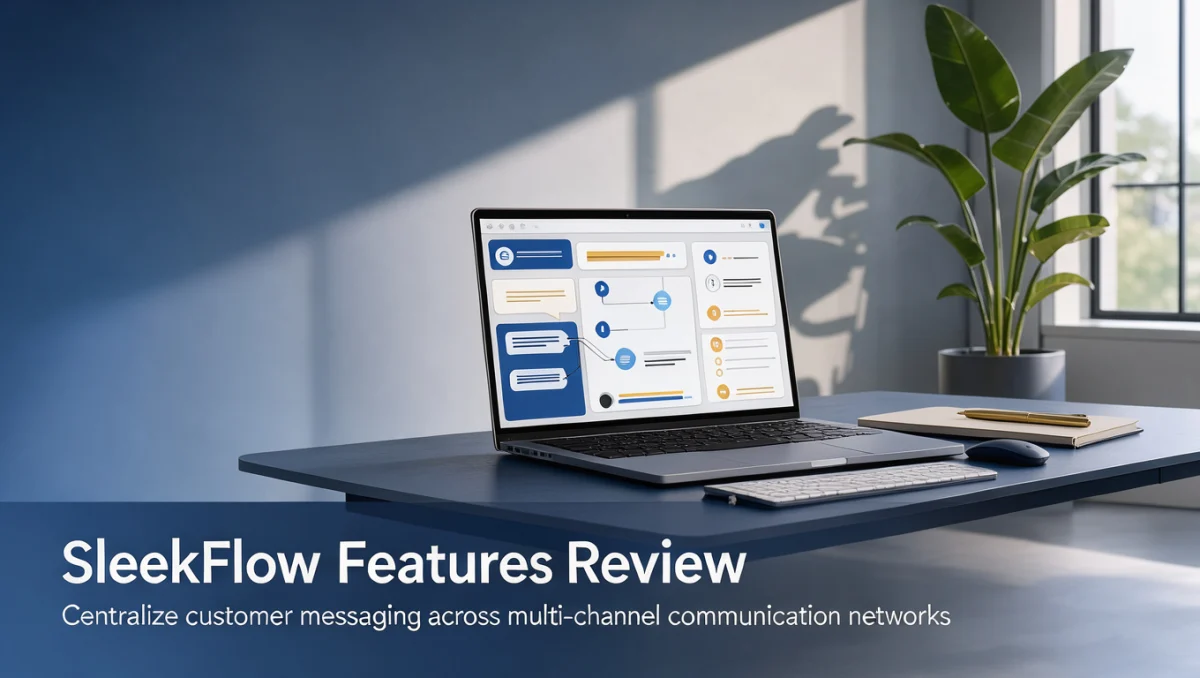
Choosing a messaging platform means weighing your workflow complexity, the number of seats you need, and how many customer conversations you handle. Looking closely at sleekflow features can show whether a unified inbox and conversational automation fit your customer management plans for 2026.
Quick verdict: SleekFlow earns a Best Coupon Blogs score of 7.6 out of 10. It suits collaborative commercial teams that manage multi-channel customer communication from one shared workspace. It is less suitable for solo operators who only want a simple single-channel chat window with no team routing needs.
| Metric | Summary Details |
|---|---|
| Best Coupon Blogs score | 7.6 / 10 |
| Best for | Sales, support, and marketing teams handling multi-channel customer inquiries in shared workspaces |
| Not ideal for | Individual operators who only need basic direct messaging on a single account |
| Key strengths | Omnichannel inbox management, structured conversational automation, and targeted broadcast messaging |
| What to check before buying | Review official plan matrices for included seat counts, messaging quotas, and connector requirements |
1. How Best Coupon Blogs Reviewed SleekFlow
This review examines what SleekFlow is designed to do, who it serves, and how it stacks up against comparable tools. We applied seven Best Coupon Blogs criteria: features, ease of use, pricing and value, integrations, audience fit, support, and competitive position. Plans, prices, and limits change frequently, so we flag the details you should confirm on the official website before purchasing. This article was researched and drafted with AI assistance, then reviewed and edited by the Best Coupon Blogs Editorial Team.
2. What SleekFlow Is and Who Should Use It
SleekFlow is an omnichannel conversational commerce and customer communication platform. It brings interactions from social, chat, and mobile messaging channels into one collaborative workspace. Conversations are organized into a synchronized pipeline, so client-facing staff can review past message history, assign chats to teammates, and keep dialogue consistent across different networks.
Organizations usually look at multi-channel chat platforms once manual conversation tracking becomes messy. Growing retailers, service providers, and business development departments use these systems to route prospects, answer pre-sales questions, and send structured updates. Many buyers ask whether adding conversational automation and AI logic to their customer communication stack will cut response delays during busy sales periods.
3. Core SleekFlow Features
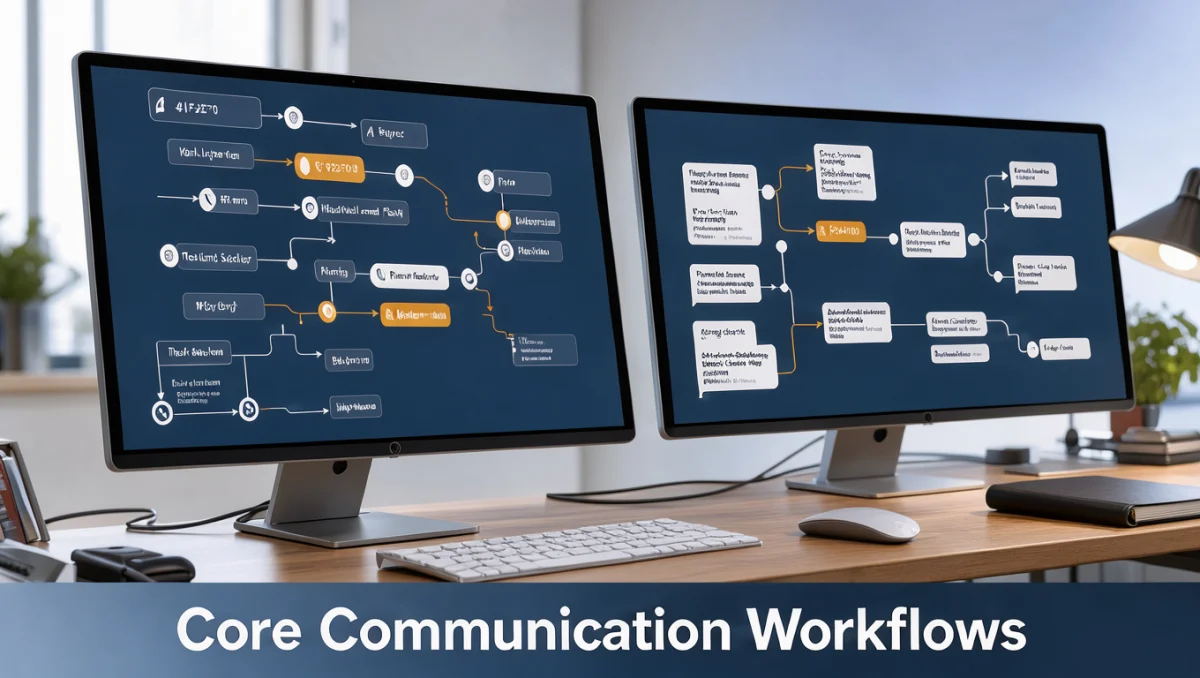
SleekFlow is built around three foundational pillars: unified omnichannel inbox operations, workflow automation for lead distribution, and broadcast messaging for customer engagement.
3.1. Unified Omnichannel Team Inbox
The shared inbox gathers conversations from different messaging platforms onto one operational board. Customer service representatives and account managers see unified timelines in which messages appear in order regardless of their source. Team members can apply internal labels, leave private notes visible only to staff, and reassign chats directly to specialist colleagues without asking the customer to repeat the context.
3.2. Automated Routing and Conversational Workflows
Workflow automation lets companies set up rule-based conversation paths. Incoming messages can trigger routing logic based on customer replies, language choice, or business hours. Automated triggers distribute chats through round-robin assignment or to dedicated account reps, so inquiries reach the right department quickly without full-time human triage staff.
3.3. Broadcast Messaging and Contact Segmentation
Broadcast tools allow marketing and account teams to send targeted updates to segmented audience lists. Businesses organize contacts using custom fields and behavioral tags. Campaign planners can schedule promotions, seasonal catalogs, or service alerts for specific customer groups while respecting channel rules and opt-out preferences.
4. Ease of Use and Learning Curve
Deploying conversational software involves connecting channels, mapping staff permissions, and defining automation triggers. SleekFlow uses an interface built around familiar chat thread layouts, which helps frontline operators get comfortable with day-to-day replies quickly.
Designing multi-step conditional workflows and setting team-wide routing hierarchies takes structured onboarding. Administrators should set aside time to map branching decision paths and avoid automated loops that lead nowhere. For managers aiming for smooth adoption, training staff on tagging conventions and assignment protocols prevents internal confusion.
5. Pros and Cons of SleekFlow
Evaluating conversational software means balancing operational advantages against the effort of managing the system.
5.1. Platform Advantages
- Consolidated communication makes it easier to monitor activity across scattered social and messaging touchpoints.
- Internal collaborative notes help prevent duplicate replies from multiple agents.
- Automated routing distributes high message volumes systematically during peak hours.
- Audience segmentation supports targeted broadcast campaigns for distinct customer groups.
5.2. Operational Considerations and Remedies
- Complex workflow setup requires upfront administrative mapping. Teams should document conversation branching logic before building automations.
- High message volumes across channels call for clear response protocols. Internal triage guidelines help keep reply speed consistent.
- Subscription costs scale with growth. Buyers should review official tier structures to match projected headcount with platform pricing.
6. SleekFlow vs Similar Tools
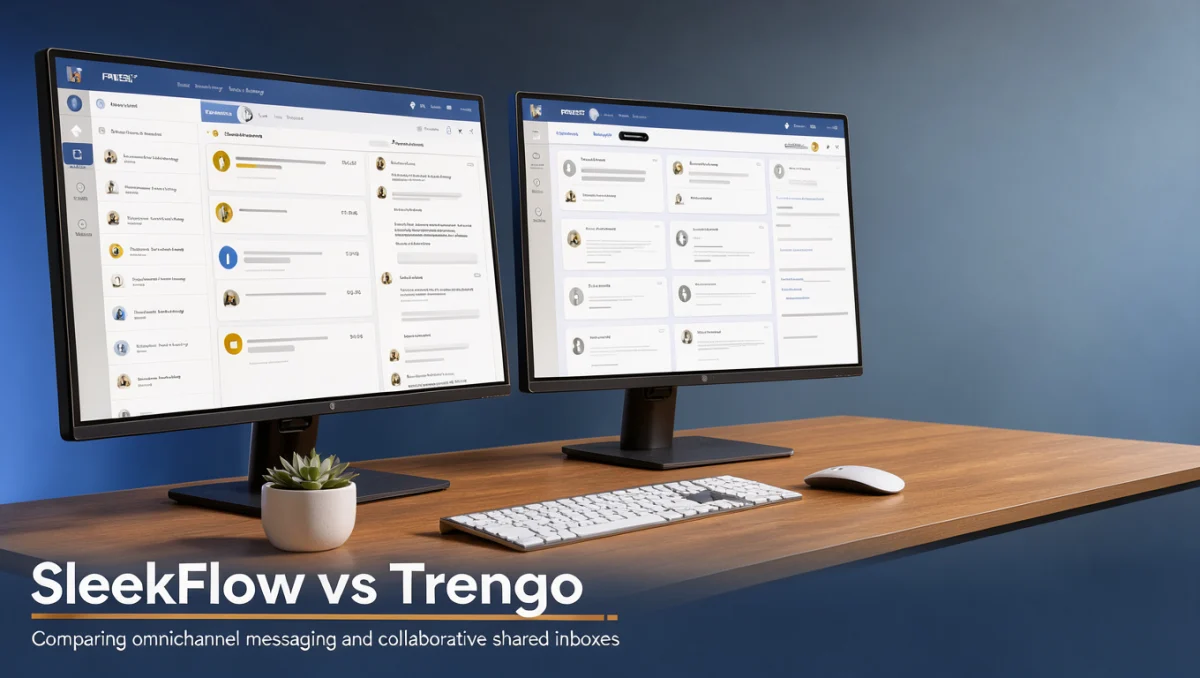
The conversational commerce market includes specialized tools aimed at particular operating models, including Respond.io, Wati, Manychat, and Trengo.
| Platform | Primary Positioning | Ideal Use Scenario | Evaluation Factor |
|---|---|---|---|
| SleekFlow | Omnichannel commerce and multi-channel customer management | Teams handling multi-network retail inquiries, support, and sales pipelines | Examine workflow flexibility and team seat costs on official channels |
| Respond.io | Global customer conversation management for large enterprises | High-volume international customer support operations | Compare enterprise routing rules and cross-border channel support |
| Wati | Dedicated messaging communication built specifically for targeted outreach | Small to mid-sized teams focusing primarily on single-network messaging | Verify whether single-channel focus meets long-term multi-platform plans |
| Manychat | Marketing automation and interactive chatbot sequences | Creators and direct-to-consumer marketers driving automated social lead funnels | Assess whether deep commerce workflows or promotional funnels take priority |
| Trengo | Shared team inbox integrating email with modern chat messaging | Service departments wanting traditional email alongside modern chat windows | Review whether unified email ticketing is necessary alongside chat channels |
7. Who Should Use SleekFlow
The right communication software depends on your operational scale, internal resources, and customer engagement style.
7.1. Small and Mid-Sized Commercial Businesses
Small business owners coordinating inquiries across several channels benefit from central oversight. Visibility into response rates and conversation status helps ensure leads do not slip through during busy sales periods.
7.2. Marketing and Business Development Teams
Marketers focused on customer re-engagement rely on broadcast segmentation. Sending curated updates to filtered customer groups supports retention without blasting irrelevant messages to unsegmented contact lists.
7.3. Collaborative Support Desks
Support specialists handling technical questions or post-purchase issues find internal notes and ticket reassignment valuable. Passing a complex conversation from a tier-one agent to a technical specialist avoids asking customers to repeat background details.
7.4. Solo Operators and Students
Freelancers and individual entrepreneurs with modest daily inquiry volumes rarely need shared multi-agent inboxes. They usually handle messages directly through native apps, which makes collaborative subscription software an unnecessary expense.
8. How to Choose the Right Plan
Because software vendors revise their packaging periodically, prospective buyers should check their specific requirements against published terms.
| Verification Point | Strategic Importance |
|---|---|
| Active user seat allocation | Subscription fees rise as team headcount grows; check how additional agent seats are calculated. |
| Monthly messaging thresholds | Platforms may enforce quotas on outbound broadcasts or active conversations, which affects periodic budget planning. |
| Channel connection allowances | Review the official plan comparison to confirm which plans support your preferred messaging networks. |
| Automation workflow limits | Advanced multi-branch logic may be restricted to higher packages, so map your workflows before selecting a tier. |
| Third-party system connectors | Confirm whether syncing with your existing customer database requires specialized add-ons. |
9. Frequently Asked Questions About SleekFlow
What should teams prepare before setting up conversational routing software?
Teams should map their standard communication paths, list every external chat touchpoint, and assign internal department owners before configuring settings. Preparing standard reply templates and a clear organizational chart helps automated rules pass conversations along logically without creating customer dead ends.
Which factors determine the total cost of omnichannel messaging tools?
Total cost usually depends on team seat requirements, outbound campaign volume, and the number of connected messaging channels. Buyers should check official documentation to see whether messaging fees are bundled into monthly rates or billed separately by carrier networks.
How can managers decide between a multi-channel platform and a single-network solution?
Managers should review how customers contact the business across all touchpoints. If inquiries arrive through several social and chat channels, a unified omnichannel system prevents fragmented service records. If customers interact on only one channel, a dedicated single-network tool may be simpler to set up and run.
What steps help maintain accountability in a shared inbox?
Clear tagging conventions and assignment rules make sure every inquiry has a designated owner. Regularly reviewing resolved conversation queues and monitoring average reply times prevents messages from going unanswered during high-traffic periods.
10. Final Verdict on SleekFlow
SleekFlow offers a structured framework for organizations that want to streamline customer messaging across fragmented chat environments. Its balance of features suits commercial teams that need coordinated internal routing alongside segmented outbound campaigns.
| Evaluation Criterion | Score /10 | Editorial Assessment |
|---|---|---|
| Features | 8.0 | Offers unified messaging boards, broadcast campaigns, and automated rule routing for collaborative communication. |
| Ease of Use | 7.5 | Frontline chat navigation is intuitive, while detailed workflow branching requires upfront configuration time. |
| Pricing and Value | 7.0 | Value depends on seat utilization; buyers must verify quota structures on official pricing pages. |
| Integrations | 7.2 | Confirm current connector availability and third-party database sync capabilities directly with the vendor. |
| Audience Fit | 8.5 | Aligns well with expanding customer service, marketing, and commercial teams managing cross-channel inquiries. |
| Support | 7.0 | Prospective buyers should review available assistance tiers and onboarding resources before deployment. |
| Competitive Position | 7.8 | Holds a competitive position within the collaborative customer messaging and commerce sector. |
Overall Best Coupon Blogs score: 7.6 / 10
For growing businesses that want to eliminate fragmented customer communication and coordinate sales conversations across multiple channels, SleekFlow is a capable platform worth evaluating. Solo entrepreneurs and small operators should first check whether native tools meet their needs before committing to dedicated team software.
Readers with specific operational questions or software evaluation needs are welcome to contact our team at Best Coupon Blogs or follow us on LinkedIn.
See More Artificial Intelligence